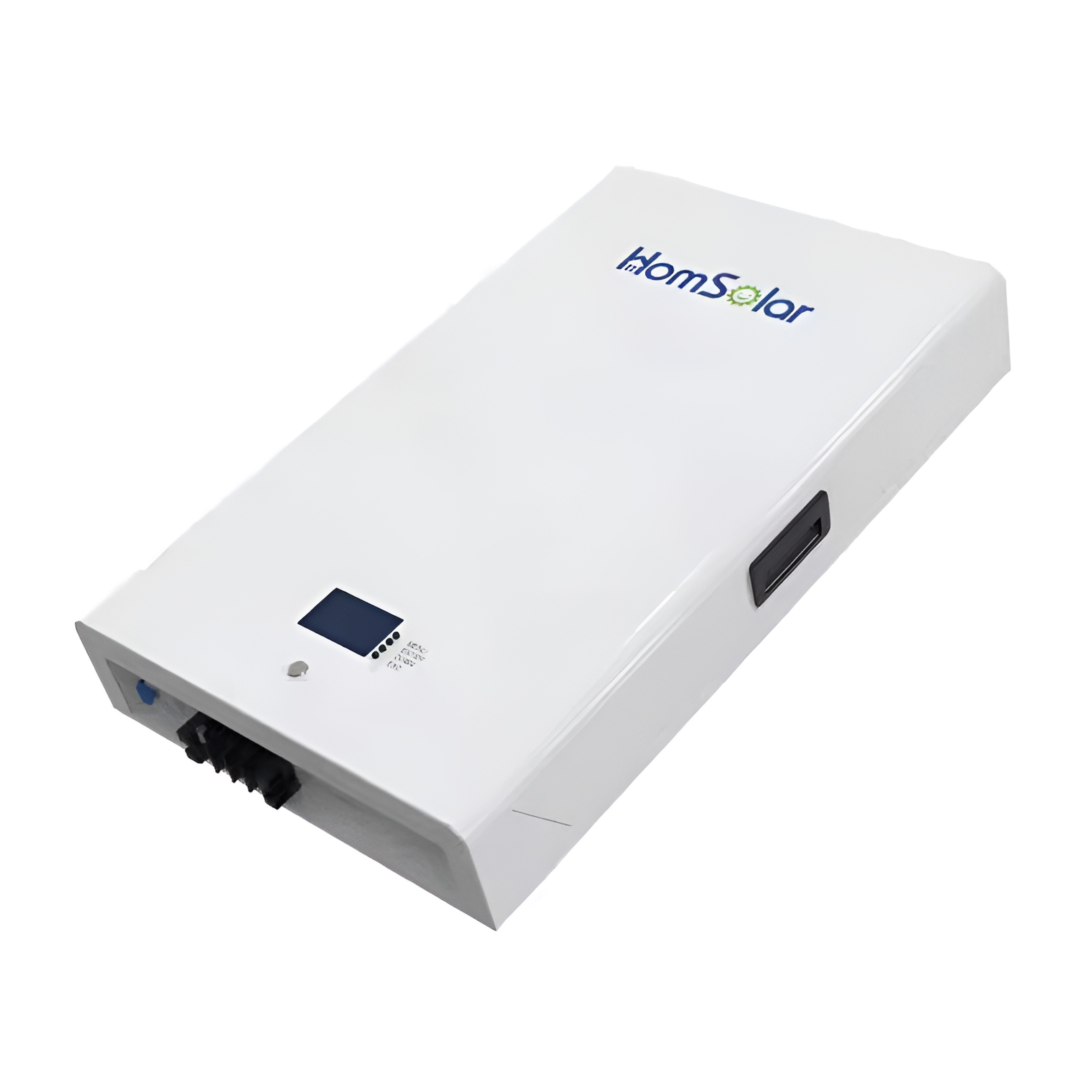
Advances In Battery Safety: From Inherently Safe Chemistries To Smart System Integration
The global transition towards electrification, powered by the proliferation of electric vehicles (EVs) and grid-scale energy storage, places lithium-ion batteries (LIBs) and their successors at the center of our technological infrastructure. While energy density and cost have historically been the primary drivers of battery research, safety has now emerged as an equally critical frontier. Catastrophic battery failures, characterized by thermal runaway—an uncontrollable self-heating process—pose significant risks. Recent scientific advances are therefore relentlessly focused on preempting this chain reaction through innovations in materials science, electrolyte design, and intelligent system management, moving towards a future where high energy density and intrinsic safety are not mutually exclusive.
Decoding and Halting Thermal Runaway
The fundamental challenge in battery safety is preventing thermal runaway, a complex cascade of exothermic reactions. It is typically initiated by internal short circuits, mechanical abuse, or operational extremes like overcharging. The process involves the breakdown of the solid-electrolyte interphase (SEI), reaction between the anode and electrolyte, separator collapse, and finally, the release of oxygen from cathode materials. Recent research has focused on precisely mapping this cascade to identify the most effective intervention points.
A significant breakthrough has been the development of self-extinguishing electrolytes. Conventional organic carbonate electrolytes are highly flammable. Researchers are now replacing these with non-flammable or flame-retardant alternatives. One promising approach involves the use of phosphorus-based compounds, such as trimethyl phosphate, as co-solvents or additives. These compounds release flame-quenching radicals when heated, effectively snuffing out incipient fires within the cell (e.g.,Zhang et al., Nature Energy, 2021). Another frontier is the exploration of highly concentrated "solvent-in-salt" electrolytes. These formulations, where the salt concentration is dramatically increased, reduce the free solvent molecules available to combust, thereby significantly raising the flash point and improving thermal stability.
Innovations in Materials and Separators
The separator, a critical component that prevents physical contact between the anode and cathode, is a key line of defense. Traditional polyolefin separators melt at relatively low temperatures (~130-150°C), leading to internal short circuits. The integration of advanced ceramic coatings (e.g., Al2O3, SiO2) has been a standard improvement, enhancing thermal stability. Beyond this, the development of thermally stable separators that can withstand much higher temperatures is underway. For instance, separators made from aramid fibers exhibit exceptional thermal resistance up to 400°C, dramatically delaying the onset of an internal short.
A more radical approach involves "smart" separators with shutdown functionalities. Researchers have engineered separators with a positive temperature coefficient (PTC) effect. These separators incorporate materials that become highly resistive upon reaching a specific temperature, effectively shutting down ion transport and the cell's operation before thermal runaway can initiate. Other studies have demonstrated separators with built-in fire-retardant microcapsules that rupture upon overheating, releasing extinguishing agents directly into the cell core.
At the electrode level, the move towards solid-state batteries (SSBs) represents the most profound shift for safety. By replacing the liquid electrolyte with a solid ceramic, polymer, or composite electrolyte, SSBs eliminate the flammable component entirely. Furthermore, many solid electrolytes, particularly oxide and sulfide ceramics, are mechanically robust and can physically suppress lithium dendrite growth, a major cause of internal short circuits. While challenges in interfacial resistance and manufacturing scalability remain, recent progress in thin-film and composite solid electrolytes has accelerated the path to commercialization, promising a step-change in inherent safety (Wang et al., Science, 2022).
The Rise of Intelligent Battery Management
Beyond chemistry, the "smartification" of batteries through sophisticated sensing and management is a pivotal area of progress. The next generation of Battery Management Systems (BMS) is evolving from simple voltage and temperature monitors into predictive safety hubs.
Embedded sensors are being developed to provide direct, internal diagnostics. Fiber-optic sensors can be integrated into large-format cells to provide real-time, distributed temperature and strain mapping, detecting localized hot spots long before they propagate. Similarly, internal pressure sensors can serve as an early warning signal, as gas generation is a key symptom of electrolyte decomposition preceding thermal runaway.
Leveraging this sensor data, machine learning (ML) algorithms are being trained to predict failure. By analyzing historical operational data, including subtle voltage fluctuations and temperature gradients, ML models can identify patterns indicative of incipient faults, such as lithium plating or minor internal shorts. This allows for proactive maintenance or controlled shutdown, transforming safety from a reactive to a predictive paradigm. Research is also exploring the use of acoustic or ultrasonic sensing to detect the formation of dendrites non-invasively, providing another data stream for these intelligent systems.
Future Outlook and Challenges
The future of battery safety lies in a multi-faceted, defense-in-depth strategy. No single solution will be a silver bullet; instead, the integration of inherently safer chemistries like solid-state, smart materials with shutdown features, and AI-driven predictive management will create robust, fault-tolerant systems.
Key research directions include: 1. Scalable Manufacturing of SSBs: The primary challenge is to reduce the cost and scale up the production of thin, defect-free solid electrolytes while ensuring excellent interfacial contact over the battery's lifetime. 2. Multi-Functional Materials: The trend will continue towards materials that serve multiple purposes, such as electrolytes that are both ionically conductive and flame-retardant, or cathodes with intrinsically stable crystal structures that do not release oxygen. 3. Standardization and Safety Protocols: As new technologies emerge, developing international safety standards and testing protocols for next-generation batteries will be crucial for consumer confidence and regulatory approval. 4. Sustainability and Safety: The lifecycle safety of batteries, including during manufacturing, second-life use, and recycling, will require increased attention, ensuring that the safety paradigm covers the entire value chain.
In conclusion, the field of battery safety is undergoing a rapid and profound transformation. The convergence of chemistry, materials science, and data analytics is forging a new path forward. While the energy density race continues, it is now firmly coupled with an equally vigorous pursuit of safety, ensuring that the batteries powering our future are not only powerful but also profoundly reliable and safe.
Product Catalogs