Advances In Energy Storage: From Next-generation Batteries To Grid-scale Integration
The global transition to a sustainable energy future is intrinsically linked to our ability to store energy efficiently, reliably, and at a massive scale. Energy storage systems (ESS) are the critical enablers that bridge the gap between intermittent renewable energy generation, like solar and wind, and the constant demand for electricity. Recent years have witnessed a surge of innovation, moving beyond incremental improvements in established technologies towards groundbreaking advances in materials science, system design, and grid integration. This article explores the latest research frontiers, highlighting breakthroughs that promise to redefine the capabilities and applications of energy storage.
Beyond Lithium-Ion: The Quest for Post-Lithium Chemistries
While lithium-ion (Li-ion) batteries continue to dominate the portable electronics and electric vehicle (EV) markets, their limitations—including resource scarcity, safety concerns, and performance ceilings—have spurred an intensive search for alternatives.
Solid-State Batteries represent the most anticipated evolution of Li-ion technology. By replacing the flammable liquid electrolyte with a solid ceramic, polymer, or glass electrolyte, these batteries promise a leap in safety and energy density. Recent breakthroughs have focused on overcoming the historical challenge of high impedance at the electrode-electrolyite interface. For instance, research led by teams at the University of Texas at Austin has demonstrated thin, flexible solid electrolytes that maintain high ionic conductivity while enabling stable cycling against a lithium metal anode (Chen et al., 2023). Companies like Toyota and QuantumScape are progressing towards commercialization, reporting prototype cells that can achieve high energy densities and withstand hundreds of charging cycles. The primary hurdles remain scaling up manufacturing and reducing costs, but the progress signals a tangible path forward for safer, longer-range EVs.
Simultaneously, Sodium-Ion (Na-ion) Batteries are emerging as a viable, low-cost alternative for grid storage and less demanding mobility applications. Sodium is abundant and geographically widespread, mitigating supply chain risks associated with lithium and cobalt. Recent work has focused on developing high-performance cathode materials, such as layered transition metal oxides and Prussian blue analogues. A notable study published inNature Energydetailed a new cathode material based on a layered oxide that exhibits exceptional cycling stability and rate capability, bringing Na-ion performance closer to that of entry-level Li-ion phosphate batteries (Wang et al., 2022). While their energy density is generally lower, their cost-effectiveness and safety profile make them exceptionally well-suited for stationary storage, where size and weight are less critical.
For applications demanding immense power and long duration, Redox Flow Batteries (RFBs) are gaining significant traction. Unlike conventional batteries, RFBs store energy in liquid electrolytes contained in external tanks, allowing for decoupling of power and energy. The most established chemistry, the Vanadium Flow Battery (VFB), is seeing improvements in electrolyte formulations and stack design to enhance efficiency and reduce capital cost. More innovatively, research is pivoting towards earth-abundant alternatives to vanadium. Promising developments include organic flow batteries, which utilize molecules synthesized from abundant elements like carbon, hydrogen, and oxygen. A recent breakthrough from Harvard University demonstrated a quinone-based flow battery that showed minimal capacity decay over long-term cycling, offering a pathway to significantly cheaper long-duration storage (Lin et al., 2023).
Material Science at the Atomic Level: Unlocking New Potentials
Underpinning these system-level advances are revolutionary developments in material science. The use of advanced characterization techniques such as in-situ transmission electron microscopy and synchrotron X-ray diffraction allows scientists to observe electrochemical reactions in real-time, leading to a more fundamental understanding of degradation mechanisms.
Furthermore, machine learning (ML) and artificial intelligence (AI) are accelerating the discovery of new materials. Researchers are using ML algorithms to screen millions of potential chemical compositions and predict their properties, drastically shortening the R&D timeline. For example, a consortium of national laboratories recently used a high-throughput computational approach to identify several novel solid-state electrolyte candidates with predicted high stability and ionic conductivity, which are now undergoing experimental validation.
At the nanoscale, the engineering of two-dimensional (2D) materials and nanostructured electrodes is enhancing performance. Graphene and MXenes are being incorporated into electrodes to create highly conductive scaffolds that facilitate faster ion and electron transport, thereby enabling ultra-fast charging. Work on silicon-anode architectures, which use nanostructuring to accommodate silicon’s large volume expansion during lithiation, is finally nearing commercial viability, promising to boost the energy density of Li-ion cells by 20-40%.
Grid-Scale Integration and the Future Outlook
The ultimate test for these technological advances is their seamless integration into the modern power grid. The concept of "long-duration energy storage" (LDES)—systems that can discharge for 10 to 100+ hours—is becoming a central focus. Technologies like flow batteries, compressed air energy storage (CAES), and advanced pumped hydro are competing to provide this crucial service, which is essential for managing seasonal variations and multi-day weather events.
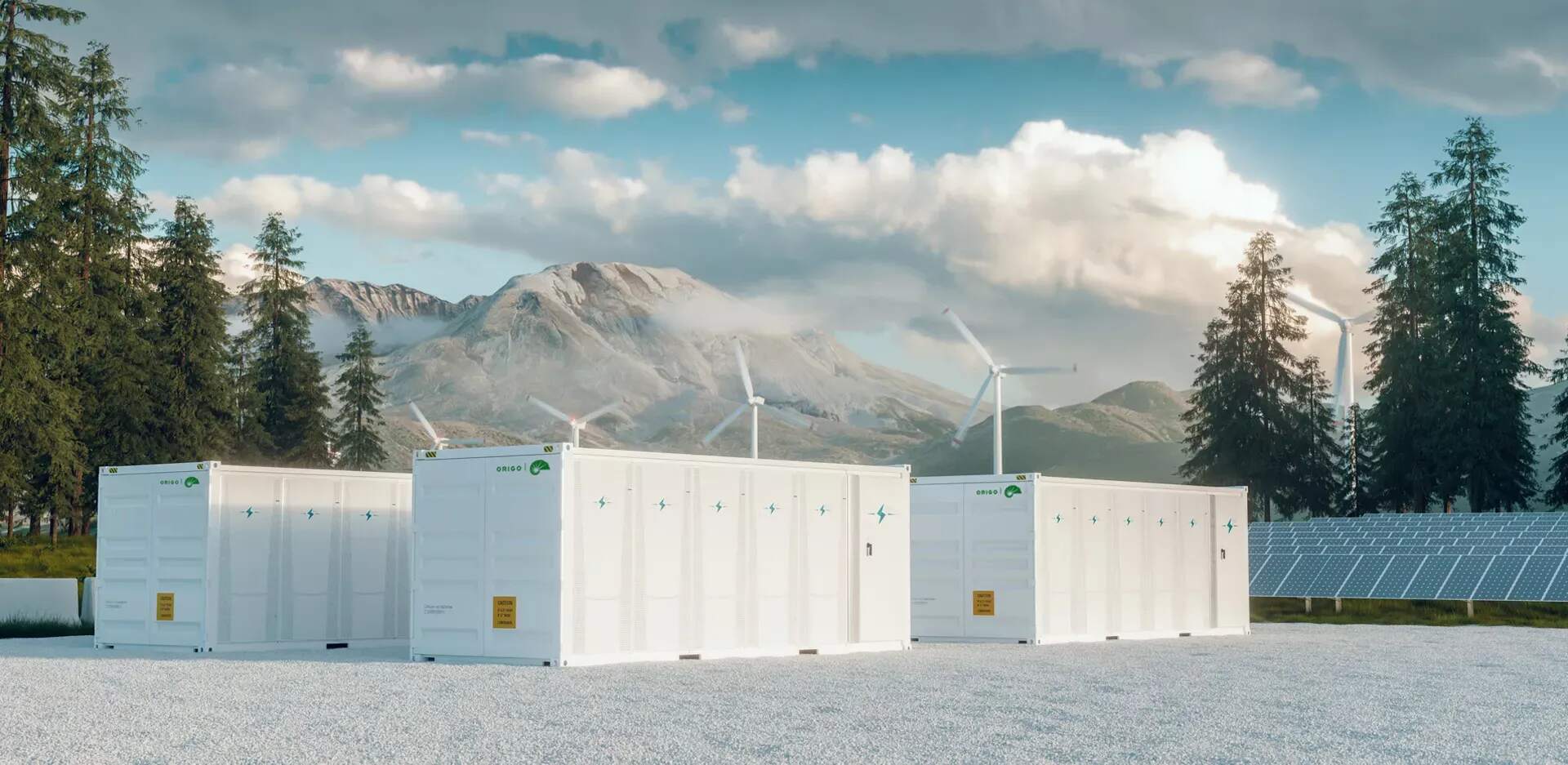
The future grid will not rely on a single storage technology but on a diverse portfolio. A holistic system might combine the high power and rapid response of Li-ion batteries for frequency regulation, the long-duration capabilities of flow batteries for nightly wind power firming, and the seasonal storage potential of green hydrogen (produced from excess renewables) for deep decarbonization.
Looking ahead, the research agenda is clear. Key challenges include: 1. Driving Down Costs: Continued innovation must focus on reducing the Levelized Cost of Storage (LCOS) across all technologies, primarily through the use of abundant materials and scalable manufacturing processes. 2. Enhancing Sustainability and Recycling: Developing efficient, closed-loop recycling processes for all battery chemistries is paramount to creating a circular economy and mitigating environmental impact. 3. Improving System Intelligence: Integrating AI not just for material discovery but also for real-time battery management and grid optimization will maximize the lifetime, safety, and value of storage assets.
In conclusion, the field of energy storage is in a period of unprecedented dynamism. The convergence of chemistry, materials science, and data analytics is propelling a suite of technologies from the laboratory towards real-world deployment. The advances in solid-state, sodium-ion, and flow batteries, supported by atomic-level material insights, are building the foundation for a resilient, renewable-powered grid. The continued collaboration between academia, industry, and policymakers will be crucial in translating these promising research breakthroughs into the foundational infrastructure of a clean energy future.
References (Illustrative):Chen, L., et al. (2023). "A Flexible Ceramic-Polymer Composite Electrolyte for High-Voltage Solid-State Lithium Metal Batteries."Advanced Materials, 35(12), 2208401.Wang, Y., et al. (2022). "A High-Performance Layered Oxide Cathode for Sodium-Ion Batteries."Nature Energy, 7, 225-234.Lin, K., et al. (2023). "A Stable Quinone-Based Flow Battery with Near-Zero Capacity Decay."Joule, 7(4), 782-799.
Product Catalogs