Energy Storage System News: Grid-scale Deployments And Long-duration Technologies Reshape The Power Landscape
The global energy storage system (ESS) sector is experiencing a period of unprecedented growth and transformation, moving from a niche supporting actor to a central pillar of the world’s clean energy transition. While lithium-ion batteries continue to dominate new deployments, the industry is rapidly evolving, marked by significant grid-scale projects, the urgent push for long-duration storage solutions, and a complex interplay of supply chain dynamics and policy tailwinds.
Latest Industry Dynamics: Record-Breaking Projects and Supply Chain Evolution
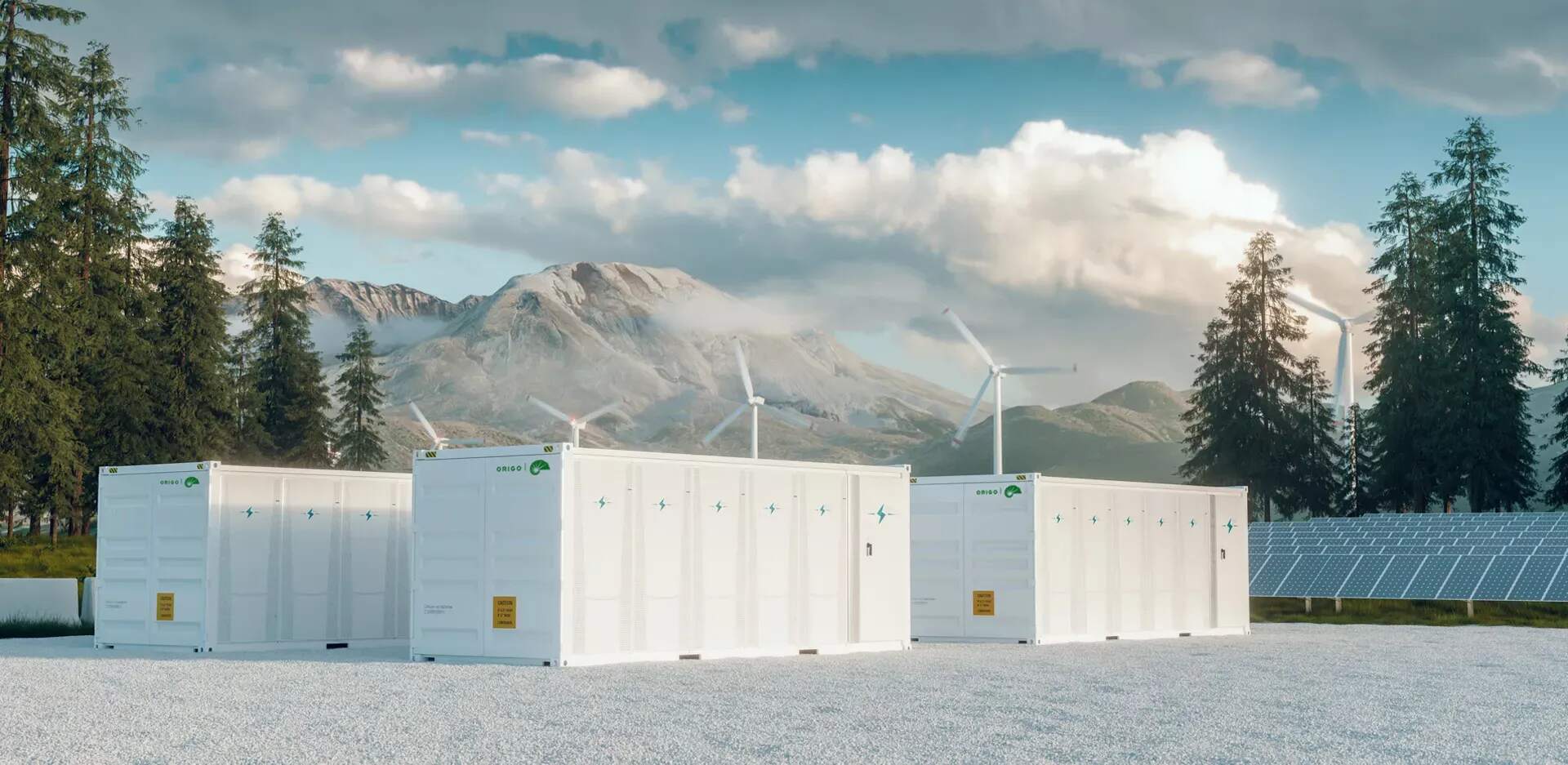
Recent months have seen the commissioning and announcement of energy storage projects at a scale previously unimaginable. Utility-scale battery energy storage systems (BESS), predominantly using lithium-ion technology, are being deployed at a staggering rate, particularly in markets like the United States, China, and Europe. A notable example is the commissioning of the 750 MW / 3,000 MWh Moss Landing project in California, which remains one of the world's largest facilities, providing critical capacity to balance the state's grid, especially during evening demand peaks when solar generation fades.
Beyond these behemoths, the pipeline for new projects is robust. According to recent market analyses, the global energy storage market is expected to multiply several times over within the next five years. This surge is largely driven by the synergistic growth of variable renewable energy sources like solar and wind. "We are no longer in a pilot phase," observes Dr. Elena Rodriguez, a senior analyst at the Global Energy Storage Initiative. "Utilities and independent power producers are now treating multi-hour battery storage as a standard, bankable asset for grid reliability and congestion relief. The conversation has shifted from 'if' we should build to 'how much' and 'how long' we need the storage to last."
Simultaneously, the supply chain for key components, particularly lithium-ion batteries, is undergoing a significant geographic diversification. While China maintains a dominant position in the refining and cell manufacturing sectors, policy initiatives like the U.S. Inflation Reduction Act (IRA) are catalyzing massive domestic investments in gigafactories and component production. This trend aims to create more resilient and localized supply chains, though it faces challenges related to the sourcing of critical minerals and the time required to build manufacturing capacity.
Trend Analysis: The Race for Long-Duration Energy Storage and Software Dominance
A key trend defining the future of the ESS industry is the intense focus on developing and commercializing long-duration energy storage (LDES) technologies. Lithium-ion batteries, with their typical discharge duration of 4 hours or less, are ideal for intra-day energy shifting and frequency regulation. However, they are less economically viable for managing seasonal variations or multi-day weather events that halt renewable generation.
This gap has ignited innovation in a diverse portfolio of non-lithium technologies. Flow batteries, which store energy in liquid electrolytes, are gaining traction for their decoupled power and energy ratings and long cycle life. Compressed air energy storage (CAES), thermal storage, and gravity-based solutions are also progressing from demonstration to early commercial stages. "The LDES space is the new frontier," says Michael Thorne, CEO of a startup developing a novel flow battery chemistry. "The market is recognizing that a diversified storage portfolio is essential. We're seeing serious interest from industrial players and governments who understand that 8, 12, or even 100-hour storage is not a luxury, but a necessity for a deeply decarbonized grid."
Another critical trend is the growing value of software and system integration. As the number and size of storage assets grow, their profitability and efficacy become increasingly dependent on sophisticated energy management systems (EMS) and optimization platforms. These software layers enable assets to stack multiple revenue streams—participating in frequency regulation markets, engaging in energy arbitrage, and providing grid services—all within the same day. The ability to maximize a storage system's value through intelligent dispatch is becoming a key differentiator for project developers and owners. "The hardware is becoming commoditized," notes a project manager at a major European energy developer. "The real magic, and the future margin, lies in the intelligence of the control systems that can predict market prices, manage degradation, and respond to grid signals in milliseconds."
Expert Perspectives: Navigating Challenges and Future Outlook
Industry experts largely agree on the transformative potential of energy storage but caution that significant hurdles remain. Regulatory and market design is frequently cited as the primary bottleneck. Many electricity markets around the world were designed for a centralized, fossil-fuel-based system and have not yet fully adapted to accommodate and properly value the services provided by distributed storage resources.
"Policy makers and grid operators are playing catch-up," states Dr. Rodriguez. "Creating markets that recognize the value of capacity, flexibility, and ancillary services is crucial. The success of storage is as much an economic and regulatory challenge as it is a technical one."
Furthermore, concerns around safety and recycling are moving to the forefront. High-profile incidents of battery fires have heightened scrutiny, leading to the development of more stringent international safety standards and advanced fire suppression systems. In parallel, the industry is grappling with the end-of-life question. While a robust recycling ecosystem for lithium-ion batteries is still in its infancy, significant investments and research are being directed towards creating a circular economy for battery materials, which will be critical for the long-term sustainability of the sector.
Looking ahead, the consensus is that the energy storage system industry is poised for sustained growth. The combination of falling technology costs, strong policy support in key regions, and the inexorable rise of renewables creates a powerful virtuous cycle. The evolution will likely see a more technologically diverse ecosystem, with lithium-ion handling short-duration applications and a mix of LDES technologies emerging to guarantee grid stability over longer timeframes. As one industry veteran summarized, "Energy storage is the linchpin that unlocks the full potential of a renewable-powered world. We are just beginning to see its impact on how we generate, distribute, and consume electricity."
Product Catalogs