Energy Storage Systems News: Surging Investments And Technological Breakthroughs Reshape The Global Grid
The global energy storage sector is experiencing an unprecedented period of growth and transformation, moving from a niche supporting actor to a central pillar of the world's clean energy transition. Driven by the rapid deployment of renewable energy, supportive government policies, and falling technology costs, energy storage systems (ESS) are becoming critical for grid stability, energy security, and decarbonization efforts worldwide.
Latest Industry Dynamics: Record-Breaking Deployment and Supply Chain Evolution
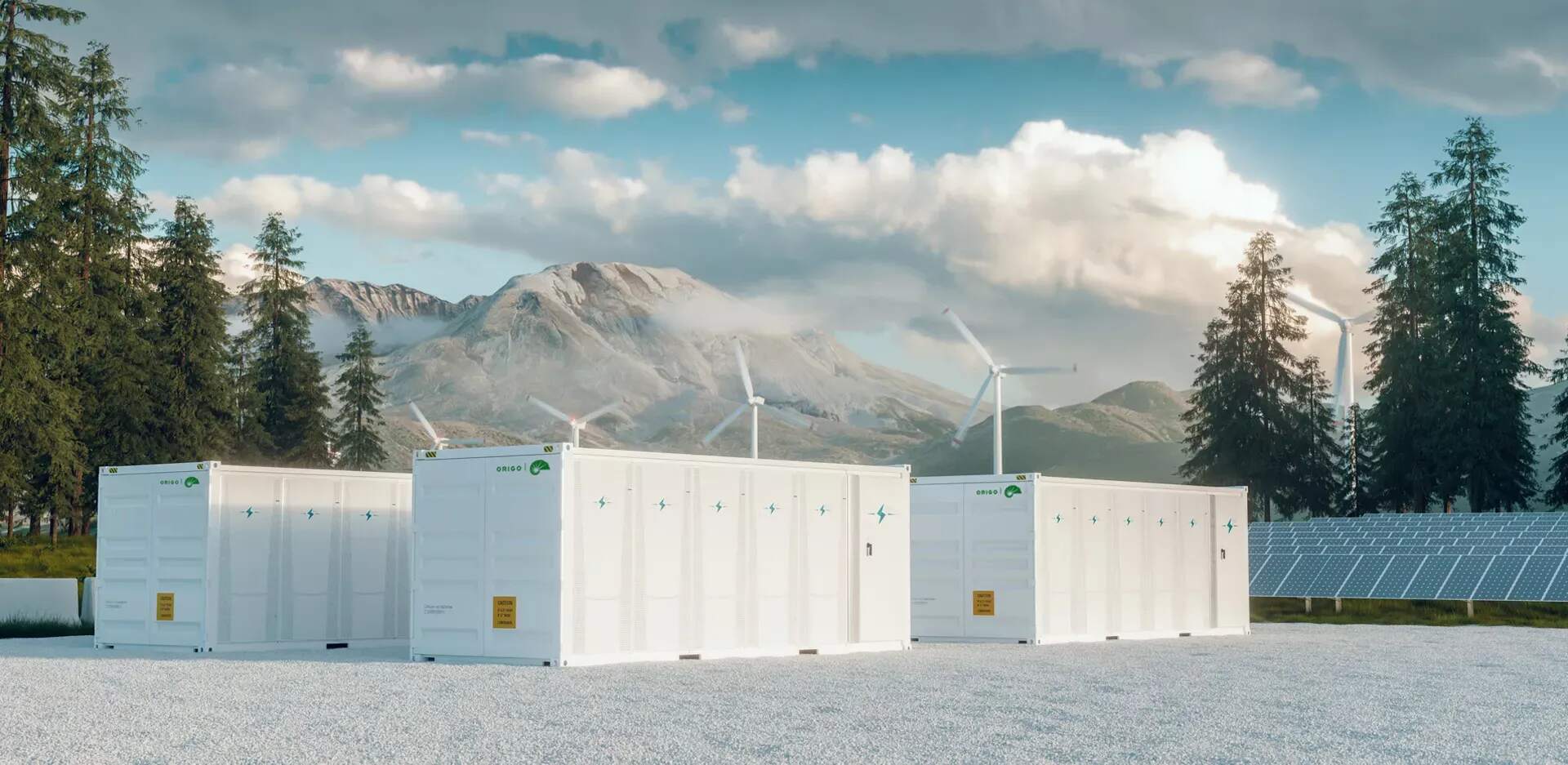
Recent months have been marked by a series of significant announcements and projects that underscore the sector's vitality. In the United States, the implementation of the Inflation Reduction Act (IRA) continues to be a primary catalyst, creating long-term investment certainty for both domestic manufacturing and project deployment. Major utility-scale projects, frequently pairing hundreds of megawatt-hours of storage with solar farms, are becoming commonplace, not just in California and Texas, but across the Midwest and Southeast.
Meanwhile, Europe is accelerating its storage ambitions in response to the energy crisis and its REPowerEU plan. Germany, the UK, and Italy are leading the charge with enhanced regulatory frameworks and auction mechanisms specifically designed for storage. A notable trend is the rise of merchant projects, where storage assets earn revenue solely by participating in wholesale electricity markets, signaling the maturing economic viability of ESS without heavy reliance on direct subsidies.
In China, the world's largest market for battery production, the focus is increasingly shifting to large-scale grid storage. While the majority of manufacturing capacity remains for electric vehicle (EV) batteries, gigawatt-hour-scale storage projects are being deployed at a remarkable pace to support the country's vast wind and solar bases. Furthermore, Chinese manufacturers are aggressively expanding into global markets, particularly Europe and the Asia-Pacific region, intensifying competition and putting downward pressure on system prices.
The supply chain itself is evolving. While lithium-ion phosphate (LFP) batteries have firmly established themselves as the dominant chemistry for stationary storage due to their safety and longevity, the industry is actively seeking diversification. Supply chain vulnerabilities for critical minerals like lithium and cobalt have spurred investment in alternative technologies and a strong push for North American and European battery manufacturing ecosystems.
Trend Analysis: Beyond Lithium-Ion and Software-Defined Grids
Looking forward, several key trends are poised to define the next chapter of the energy storage industry.
1. The Diversification of Technology: While lithium-ion will remain the workhorse for the foreseeable future, a portfolio of non-lithium technologies is gaining traction. Long-duration energy storage (LDES) technologies, capable of discharging for 10 hours or more, are attracting significant venture capital and government funding. Technologies such as flow batteries, compressed air energy storage (CAES), and gravity-based systems are being piloted and deployed for applications where multi-day or seasonal storage is required. Hydrogen, particularly green hydrogen produced from renewables, is also being explored as a seasonal storage vector, though its round-trip efficiency remains a challenge.
2. The Ascendancy of Software and AI: The value of an energy storage system is increasingly determined by its software brain. Advanced optimization platforms, often powered by artificial intelligence and machine learning, are crucial for maximizing revenue in complex, multi-service markets. These systems can forecast energy prices, grid demand, and renewable generation to make split-second decisions on when to charge or discharge, often stacking multiple value streams such as frequency regulation, capacity services, and energy arbitrage simultaneously.
3. The Rise of C&I and Residential Storage: The momentum is not confined to the utility scale. Commercial and Industrial (C&I) entities are increasingly adopting storage to reduce demand charges, ensure backup power, and meet sustainability goals. In the residential sector, high electricity prices and the growing adoption of rooftop solar are fueling a boom in home battery systems, transforming consumers into "prosumers" who can manage their energy consumption and contribute to grid stability through virtual power plants (VPPs).
4. Recycling and the Circular Economy: As the first generation of large-scale storage projects approaches end-of-life, the industry is turning its attention to recycling. Developing efficient and cost-effective processes for recovering valuable materials like lithium, cobalt, and nickel is no longer just an environmental imperative but an economic one, essential for securing a sustainable and resilient supply chain for the future.
Expert Perspectives: Cautious Optimism Amidst Growing Pains
Industry leaders and analysts express cautious optimism, acknowledging the sector's potential while highlighting the challenges that need to be navigated.
"Energy storage is no longer a question of 'if' but 'how much and how fast'," says a senior analyst from BloombergNEF. "Our forecasts suggest global storage installations will exceed a terawatt-hour by 2030. The primary bottlenecks are no longer cost, but supply chain constraints, interconnection queues, and the pace of grid modernization."
A project developer from a major European utility echoes this sentiment, focusing on regulatory hurdles. "The technology is ready and the economics are improving. However, we need clearer and more harmonized market rules across different jurisdictions. Defining the legal and technical frameworks for storage as a distinct asset class is essential to unlock billions in private investment."
From a technology perspective, a chief technology officer at a flow battery startup highlights the need for a diverse toolkit. "Lithium-ion is perfect for many applications, but we cannot solve the entire decarbonization puzzle with a single technology. For achieving high renewable penetration and providing resilience during prolonged periods of low wind and sun, long-duration storage is not an option; it is a necessity. The market is beginning to recognize this."
In conclusion, the energy storage industry stands at a pivotal moment. Bolstered by strong policy tailwinds, relentless technological innovation, and its undeniable value proposition, it is set for sustained growth. The challenges of supply chain management, grid integration, and regulatory clarity are significant, but the collective drive from industry, governments, and financiers suggests that energy storage systems will continue to be one of the most dynamic and critical sectors in the global energy landscape for years to come.
Product Catalogs