How To Use Lithium Iron Phosphate: A Practical Guide To Maximizing Performance And Lifespan
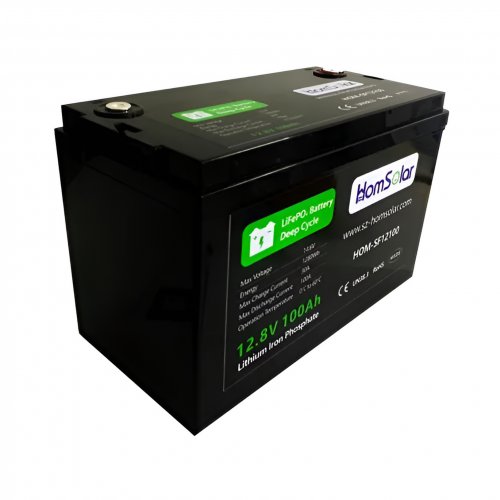
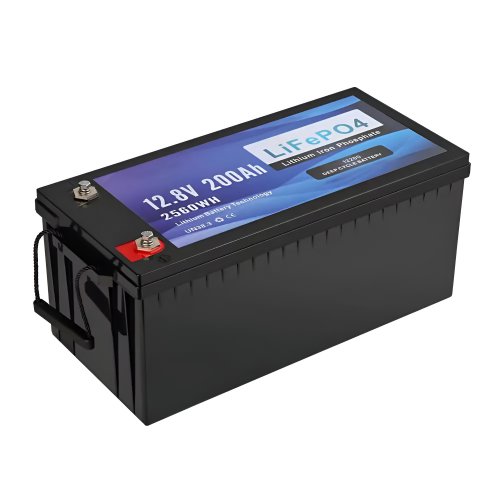
Lithium Iron Phosphate (LiFePO4 or LFP) has emerged as a leading battery technology, prized for its exceptional safety, long cycle life, and stability. Unlike other lithium-ion chemistries, LFP batteries are inherently more resistant to thermal runaway, making them a preferred choice for a wide range of applications, from recreational vehicles and marine use to solar energy storage and portable power stations. However, to fully leverage their potential and ensure a long service life, proper usage is paramount. This guide provides a comprehensive, step-by-step approach to using Lithium Iron Phosphate batteries correctly and efficiently.
Part 1: Initial Setup and Installation
The first interaction with your LFP battery sets the stage for its future performance.Step 1: Inspection and Verification Upon receiving your battery, carefully inspect it for any signs of physical damage such as dents, cracks, or leaking. Verify that the model's voltage (typically 12V, 24V, or 48V) and capacity (in Ah - Ampere-hours) match your order and are compatible with your system's requirements.Step 2: Initial Charging Most LFP batteries are shipped with a partial state of charge (typically 30-50%). Before the first use, it is highly recommended to perform a full charge. Use a dedicated LiFePO4 battery charger. These chargers are programmed with the correct charging algorithm—Constant Current (CC) followed by Constant Voltage (CV)—and the precise voltage thresholds (e.g., 14.2V - 14.6V for a 12V system). Using an incorrect charger, especially one designed for lead-acid batteries, can severely damage the LFP cells.Step 3: Proper InstallationConnections: Use high-quality, appropriately sized cables and robust connectors. Loose connections can lead to voltage drops, heat generation, and potential failure. Always tighten terminals to the manufacturer's specified torque.Environment: Install the battery in a dry, well-ventilated area. While LFP batteries have a wide operating temperature range (-20°C to 60°C is common), their performance, particularly charging, is optimal at room temperature (15°C - 25°C). Avoid direct sunlight and locations prone to moisture or condensation.Mounting: Secure the battery firmly to prevent movement or vibration, which could stress the internal connections over time.
Part 2: Daily Operation and Best Practices
Once installed, adhering to these operational guidelines will maximize both performance and lifespan.Charging Techniques:Use the Right Charger: This cannot be overstated. A LiFePO4-specific charger is non-negotiable. It will stop charging once the battery is full, preventing overcharging.Charge to 90-95% for Daily Use: While LFP batteries can be charged to 100%, for daily cycling applications, charging to around 90-95% can further extend the cycle life. The stress on the battery is minimal in the lower voltage range of the CV stage.Balance Charge Periodically: Most quality LFP batteries come with a built-in Battery Management System (BMS) that balances the individual cells. For optimal long-term health, it is beneficial to perform a full 100% charge every month or so, allowing the BMS sufficient time to balance the cells.Discharging Guidelines:Avoid Deep Discharges: The BMS will typically protect the battery from being discharged below a safe voltage (e.g., 10V for a 12V battery). However, for maximum longevity, avoid regularly discharging below 20% State of Charge (SoC). Shallow discharges are far less stressful than deep ones.Understand Peak Currents: Know the maximum continuous and peak discharge current ratings of your battery. Exceeding these limits will trigger the BMS to shut down the battery to prevent damage. Ensure your connected loads do not surpass these specifications.State of Charge (SoC) Monitoring: Do not rely on voltage to accurately estimate the State of Charge for LFP batteries. Their discharge curve is exceptionally flat, meaning the voltage remains relatively constant between 20% and 80% SoC. Instead, use a dedicated battery monitor with a shunt. These devices measure current flowing in and out, providing a highly accurate percentage-based SoC reading, which is crucial for effective energy management.
Part 3: Advanced Tips and Long-Term Maintenance
LFP batteries are relatively low-maintenance, but proactive care yields significant rewards.Storage Protocol: If you need to store the battery for an extended period, follow these steps: 1. Charge or discharge the battery to a 50-60% State of Charge. This is the most stable voltage level for long-term storage. 2. Disconnect it from any load or charger. 3. Store it in a cool, dry place. The lower the storage temperature (within the specified range, ideally 10°C-25°C), the slower the natural self-discharge rate. Check the voltage every 3-6 months and give it a top-up charge if the voltage has dropped significantly, indicating it's falling below the recommended storage SoC.Leveraging the BMS: The Battery Management System is the brain of your LFP battery. It provides critical protections:Over-Charge Protection: Cuts off the charging source if any cell voltage goes too high.Over-Discharge Protection: Disconnects the load if the voltage drops too low.Over-Current Protection: Protects against short circuits and excessive draw.Temperature Protection: Disables charging in low temperatures (typically below 0°C) to prevent lithium plating. Understand the status indicators or communication ports (like Bluetooth) on your BMS to monitor health and troubleshoot issues.
Part 4: Critical Precautions and What to Avoid
Adhering to these "don'ts" is as important as following the "dos."Never Use a Lead-Acid Charger/Controller: Their higher absorption and float voltages are incompatible with LFP chemistry and will cause rapid degradation and a potential safety hazard.Do Not Charge at Freezing Temperatures (0°C / 32°F): Charging a cold LFP battery can cause irreversible internal lithium plating, damaging the cells and increasing the risk of failure. The BMS should prevent this, but it is a critical rule to remember. Discharging at low temperatures is generally acceptable but reduces available capacity.Avoid Physical Abuse: Do not puncture, crush, or immerse the battery. While safe, the casing can be compromised.Do Not Connect in Series/Parallel Casually: If you need to create a higher voltage or capacity bank, use batteries and a BMS specifically designed for that configuration. Mismatched batteries can lead to imbalance and failure.Never Short-Circuit the Terminals: This can generate extreme heat, damage the terminals, and trigger the BMS. Always use insulated tools.
In conclusion, Lithium Iron Phosphate batteries are a robust and long-lasting power solution when treated with knowledge and care. By investing in the correct charger, monitoring the State of Charge accurately, avoiding extreme conditions, and following a sensible charging routine, you can ensure your LFP battery delivers on its promise of thousands of reliable cycles for years to come.
Product Catalogs