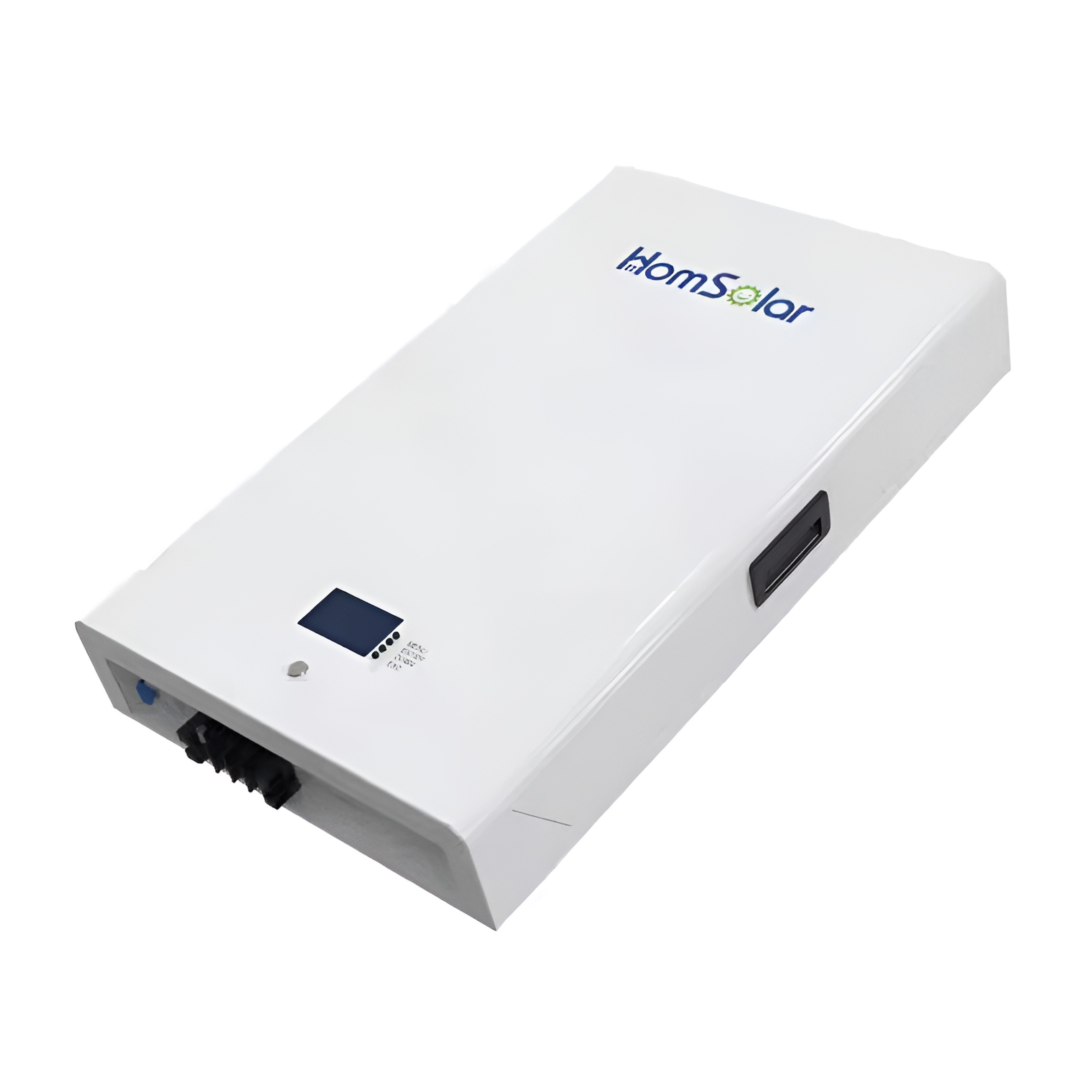
How To Use Overcharge Protection: A Comprehensive Guide To Extending Battery Life And Ensuring Safety
In our increasingly connected world, electronic devices are central to our daily lives. A common concern for many users is the health and longevity of their device batteries, particularly the fear of overcharging. Overcharge protection is a critical feature designed to mitigate this risk. This guide will demystify overcharge protection, provide detailed steps for its effective use, and offer practical advice to maximize your battery's lifespan and ensure operational safety.
Understanding Overcharge Protection
At its core, overcharge protection is a safety mechanism embedded within either the device's hardware (like the BMS - Battery Management System) or the charger itself. Its primary function is to prevent a battery from continuing to charge after it has reached 100% capacity.
When a lithium-ion battery (the most common type in modern electronics) is charged to its maximum voltage and the charging continues, it can lead to excessive heat, increased internal pressure, and accelerated chemical degradation. This not only shortens the battery's overall lifespan but also poses potential safety hazards. Overcharge protection acts as an intelligent gatekeeper, automatically cutting off the power flow once the battery is full, switching to a trickle charge or standby mode to maintain the charge level without over-stressing the battery.
Step-by-Step Guide to Using Overcharge Protection Effectively
While overcharge protection often works automatically, your habits and settings play a significant role in its effectiveness.
Step 1: Verify Your Device's Capabilities Not all devices or chargers are created equal. Your first step is to confirm that your equipment has this feature.Check Device Specifications: Look through your device’s user manual or the manufacturer's official website. Search for terms like "overcharge protection," "Battery Management System," or "charge control."Use Official and Certified Accessories: Always use the charger and cable that came with your device or purchase certified replacements from the manufacturer. Knock-off chargers may lack proper protection circuits and can be dangerous.
Step 2: Enable Software-Based Protections Many modern devices, especially smartphones and laptops, offer software features that complement hardware protection.Smart Charging/Optimized Battery Charging: On iOS and Android devices, navigate to `Settings > Battery > Battery Health` (iOS) or `Settings > Battery > Battery Protection` (varies by Android OEM). Enable features like "Optimized Battery Charging" or "Charging Limitation." These features learn your routine and delay charging past 80% until you need to use the device, significantly reducing the time the battery spends at 100%.Manufacturer-Specific Apps: Laptop brands like Dell, Lenovo, and ASUS often include utilities in their control panels that allow you to set a maximum charge threshold (e.g., 80% or 60%) to preserve battery health for long-term use.
Step 3: Implement Correct Charging Practices How and when you charge your device is just as important as the technology itself.Avoid Extreme Temperatures: Never charge your device in direct sunlight, on a heating radiator, or in a very cold environment. High temperatures are a primary catalyst for battery degradation.Maintain a Moderate Charge Level: For long-term storage, the ideal charge level for a lithium-ion battery is between 40% and 60%. Avoid storing a device with a fully depleted or fully charged battery for extended periods.Unplug When Convenient: While overcharge protection prevents damage from continuous charging, it is still a good practice to unplug your device once it's fully charged, or shortly after, if you are able. This gives the battery a complete rest.
Practical Tips and Best Practices
1. The 20-80 Rule: A widely recommended practice is to keep your battery level between 20% and 80%. You don't always need to charge to 100%. Avoiding the extremes of full charge and deep discharge can dramatically extend your battery's cycle life. 2. Periodic Full Cycles Are Okay: Contrary to old battery myths, lithium-ion batteries do not need to be fully discharged regularly. However, performing a full 0% to 100% charge cycle once every one to three months can help the device's software recalibrate its battery level indicator for better accuracy. 3. Invest in Smart Power Strips: For devices that are less frequently used, like power tools or spare gadgets, consider using a smart power strip with a timer. You can set it to supply power for a specific duration (e.g., 2-3 hours) and then automatically cut off, providing an extra layer of protection. 4. Listen to Your Device: If your device becomes unusually hot during charging, unplug it immediately. This is a sign that something is wrong, potentially with the charger, cable, or the device's internal battery.
Important Precautions and LimitationsIt's a Safety Net, Not an Invitation: Overcharge protection is designed for safety and to prevent catastrophic failure. It does not make it "better" to leave your device plugged in 24/7. The constant micro-cycles of dropping to 99% and charging back to 100% still contribute to long-term wear.Batteries Degrade Naturally: All rechargeable batteries have a finite lifespan, measured in charge cycles. Overcharge protection helps you reach the maximum potential of that lifespan, but it cannot stop the natural chemical aging process.Physical Damage Can Nullify Protection: If your device has suffered physical damage from a drop or liquid exposure, the internal protection circuits may be compromised. In such cases, charging the device can be risky, and it should be inspected by a professional.Do Not Cover Your Device While Charging: Ensure proper ventilation around your device during charging. Covering it with a pillow or blanket can trap heat, leading to dangerous thermal runaway, even with protection circuits in place.
In conclusion, overcharge protection is a vital and intelligent feature that safeguards your devices. By understanding how it works, actively enabling software features, and adopting mindful charging habits, you can move from simply relying on this safety net to proactively maximizing your battery's health, performance, and safety for years to come. Treat your battery with care, and it will reliably power your digital life.
Product Catalogs