Lfp Battery Comparison Review: Unpacking Performance, Longevity, And Real-world Value
The quest for reliable, long-lasting, and safe energy storage has become paramount, powering everything from our daily commutes to our home solar systems. At the heart of this revolution lies Lithium Iron Phosphate (LFP) chemistry, a distinct alternative to the more common NMC (Lithium Nickel Manganese Cobalt Oxide) batteries. This review provides a detailed comparison of LFP batteries, focusing on their core functions, inherent advantages and disadvantages, and practical performance across different applications.
Core Function and Technology
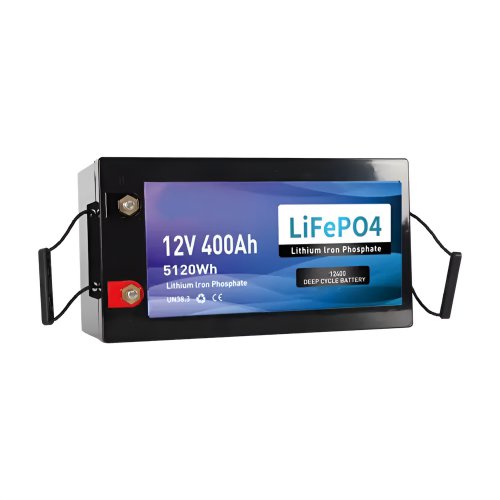
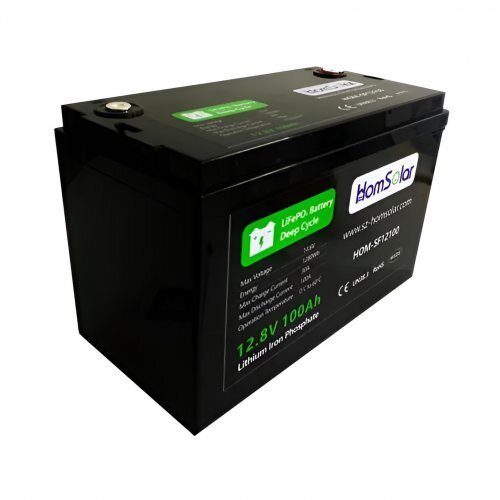
At its core, an LFP battery performs the same fundamental function as any other lithium-ion battery: storing electrical energy and releasing it on demand. However, the key differentiator is in its chemical composition. LFP batteries use lithium iron phosphate (LiFePO4) as the cathode material. This chemistry fundamentally alters the battery's characteristics compared to NMC or Lead-Acid batteries.
The primary function remains to deliver stable, usable power, but the LFP formulation excels in doing so with a unique set of priorities centered on safety, cycle life, and structural stability over many years.
The Advantages: Where LFP Batteries Truly Shine
1. Exceptional Cycle Life: This is arguably the most significant advantage of LFP technology. Where a typical NMC battery might offer 500-1,000 full cycles before significant degradation, LFP batteries routinely deliver 3,000 to 5,000 cycles, with some high-quality models rated for even more. This translates to a usable lifespan that can exceed a decade, even with daily charging and discharging, making the long-term cost of ownership exceptionally low.
2. Superior Safety Profile: Safety is a non-negotiable feature, and LFP chemistry is inherently safer. It is far more thermally stable and resistant to thermal runaway—the chain reaction that can lead to fires in other battery types. LFP batteries can withstand higher temperatures and are much less prone to combustion or explosion if damaged, overcharged, or short-circuited. This makes them an ideal choice for home energy storage, RVs, and applications where safety is the highest priority.
3. Stable Performance and High Discharge Rates: LFP batteries maintain a remarkably stable voltage throughout most of their discharge cycle. This "flat voltage curve" means connected devices receive consistent power without the performance dips common in other chemistries. Furthermore, they can deliver very high discharge currents, making them suitable for applications requiring a sudden burst of power, such as starting inverters for air conditioners or powering high-draw tools.
4. Environmental and Ethical Benefits: LFP batteries are cobalt-free. The mining of cobalt, often used in NMC batteries, has been linked to serious ethical and environmental concerns. By using iron and phosphate—abundant and non-toxic materials—LFP batteries present a more sustainable and ethically sound alternative.
The Disadvantages: Understanding the Trade-offs
1. Lower Energy Density: The most notable trade-off for LFP's safety and longevity is its lower volumetric and gravimetric energy density. This means that for the same physical size and weight, an LFP battery will typically store less energy than an equivalent NMC battery. For electric vehicles (EVs), this can result in a shorter driving range per kilogram of battery weight, though manufacturers like Tesla are mitigating this through advanced pack engineering. For stationary storage, this is often a minor concern.
2. Higher Initial Cost: The upfront purchase price of an LFP battery is generally higher than that of a comparable capacity Lead-Acid or even some NMC batteries. While the long-term value is superior due to its long life, the initial investment can be a barrier for budget-conscious consumers.
3. Voltage Compatibility: The nominal voltage of an LFP cell (3.2V) is different from that of a Lead-Acid cell (2V per cell). A 12V LFP battery typically has four cells in series (12.8V nominal), which is close to, but not identical to, a Lead-Acid battery. While most modern chargers and inverters are compatible, users with older equipment designed specifically for Lead-Acid voltage profiles may need to upgrade their hardware or ensure their battery management system (BMS) can properly interface with it.
Real-World Usage and Practical Experience
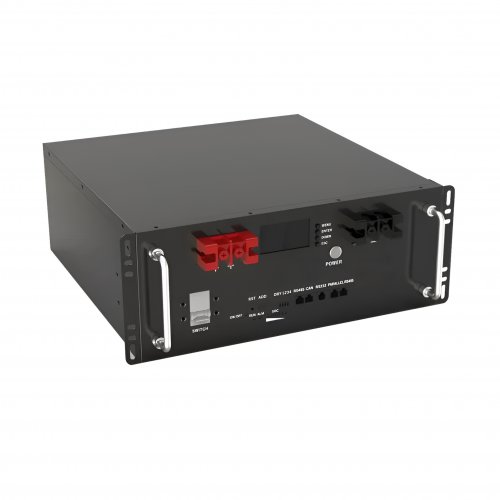
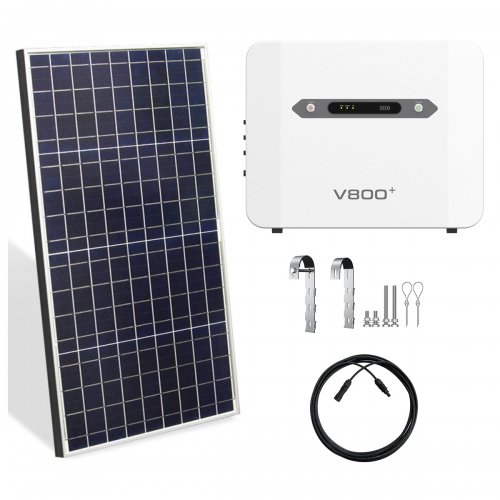
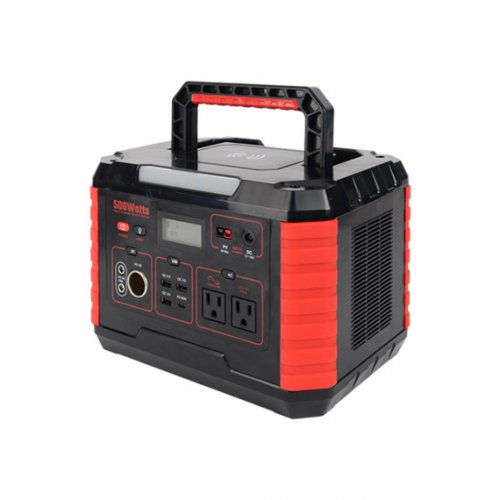
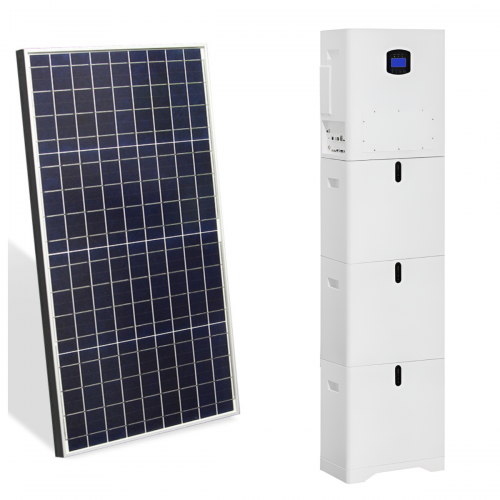
In practical terms, using an LFP battery is a different experience from using older technologies.For Home Energy Storage and Solar: The experience is one of "set and forget." Users report a profound sense of security, knowing the battery is safe in their garage or basement. The ability to cycle the battery deeply (often using 90-100% of its rated capacity daily) without harming it maximizes the utility of a solar installation. Over years, this consistent performance without degradation is the most appreciated benefit, justifying the higher initial cost.For Electric Vehicles (EVs): The real-world EV experience with LFP is defined by longevity and durability. Owners of vehicles like the standard-range Tesla Model 3 and Model Y with LFP batteries are encouraged to charge to 100% regularly, eliminating the range anxiety associated with preserving NMC batteries. While the vehicle may be slightly heavier, the peace of mind knowing the battery will likely outlast the rest of the car is a significant value proposition.For Marine and RV Use: In these applications, LFP batteries are transformative. Their light weight (compared to Lead-Acid), ability to be discharged fully, and lack of required maintenance make them perfect for off-grid living. Users can run appliances like microwaves and induction cooktops without worrying about damaging the battery bank. The rapid charging capability also means less time hooked up to shore power and more time enjoying freedom.
Conclusion
The LFP battery is not a one-size-fits-all solution, but it represents a superior choice for a wide range of applications where longevity, safety, and consistent long-term performance are valued over maximum energy density in the smallest possible package. While the initial price may give pause, a thorough cost-per-cycle analysis almost always reveals LFP as the more economical option over time.
For anyone investing in a solar system, an electric vehicle they plan to keep for many years, or a reliable power source for their boat or RV, the LFP battery offers a compelling and robust solution. It is a technology that trades the pursuit of peak performance for the guarantee of unwavering endurance and safety, a trade-off that an increasing number of consumers are wisely choosing to make.
Product Catalogs