Lfp Battery Lifespan Review: Unmatched Longevity And Real-world Reliability
The quest for a truly durable and reliable battery technology for consumer electronics and energy storage has long been dominated by discussions around Lithium-ion. However, within this category, one chemistry has been steadily gaining prominence for its exceptional lifespan and safety: Lithium Iron Phosphate, or LFP. This review delves into the core characteristics of LFP battery technology, evaluating its performance not in a single product, but as a foundational component increasingly found in everything from electric vehicles to home power stations and high-end laptops. Our focus remains squarely on its most touted feature: its unparalleled lifespan.
Product Function: The LFP Advantage
At its core, an LFP battery performs the same fundamental function as any other lithium-based battery: it stores and discharges electrical energy. The critical difference lies in its chemical composition. While many traditional lithium-ion batteries use cobalt-based cathodes (e.g., NCA or NMC), LFP batteries utilize lithium iron phosphate. This shift in chemistry is the source of its most significant benefits and trade-offs.
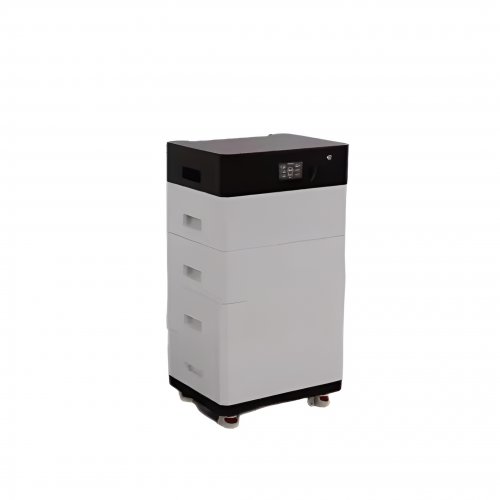
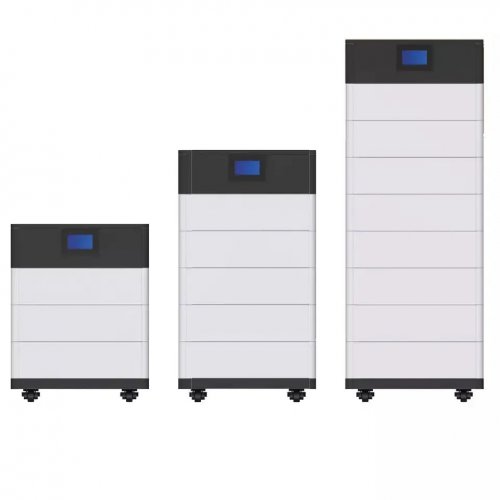
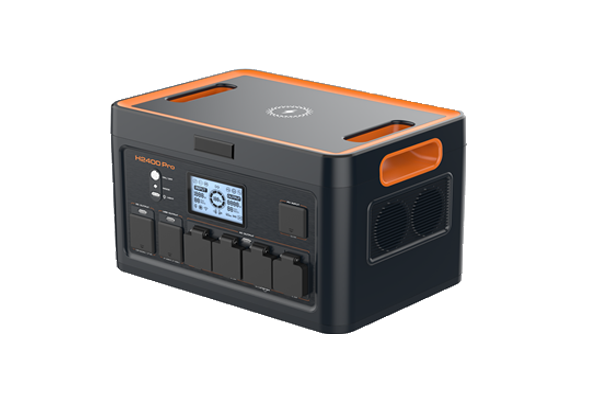
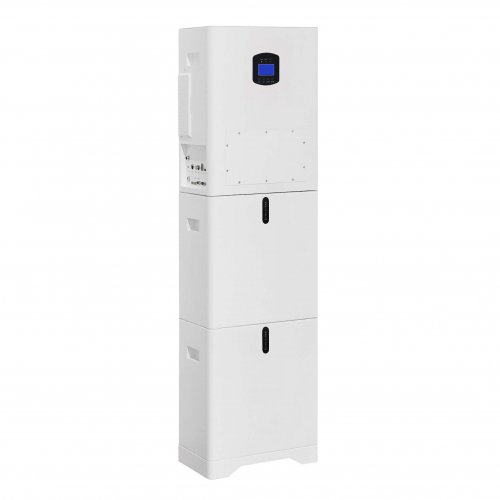
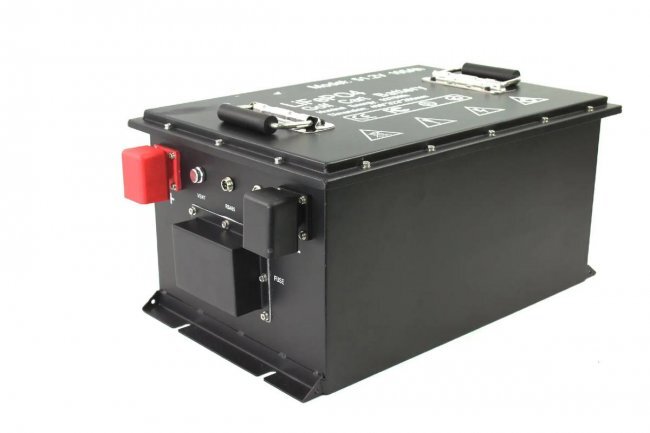
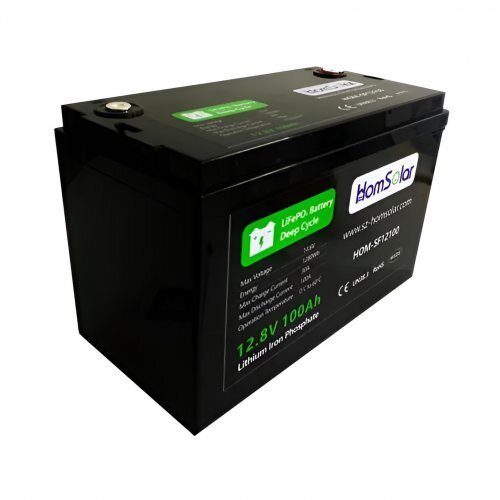
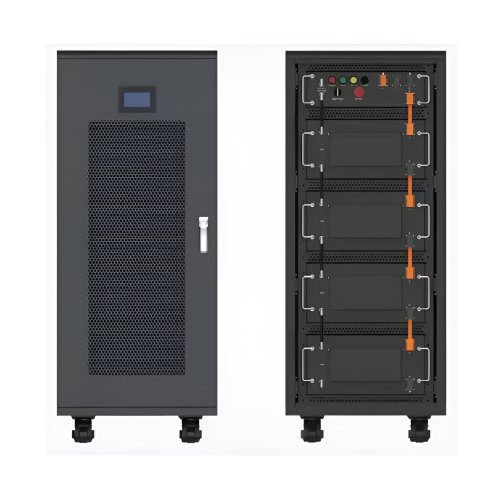
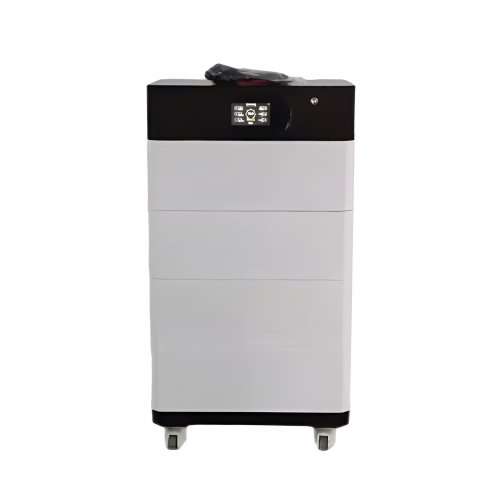
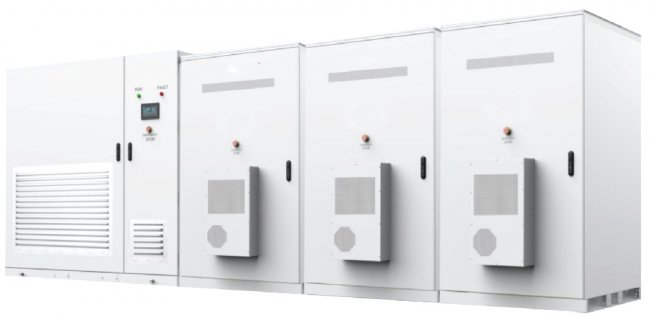
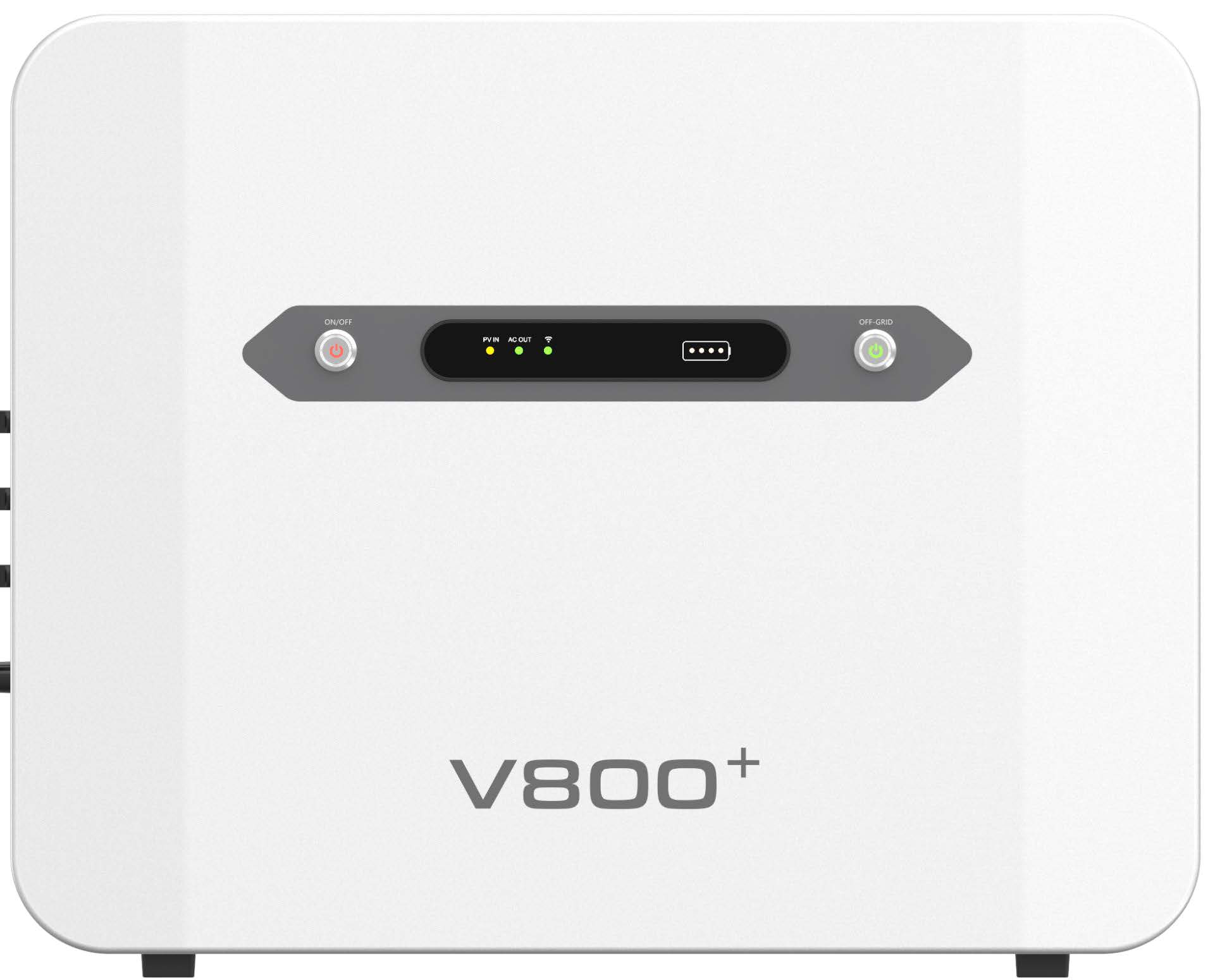
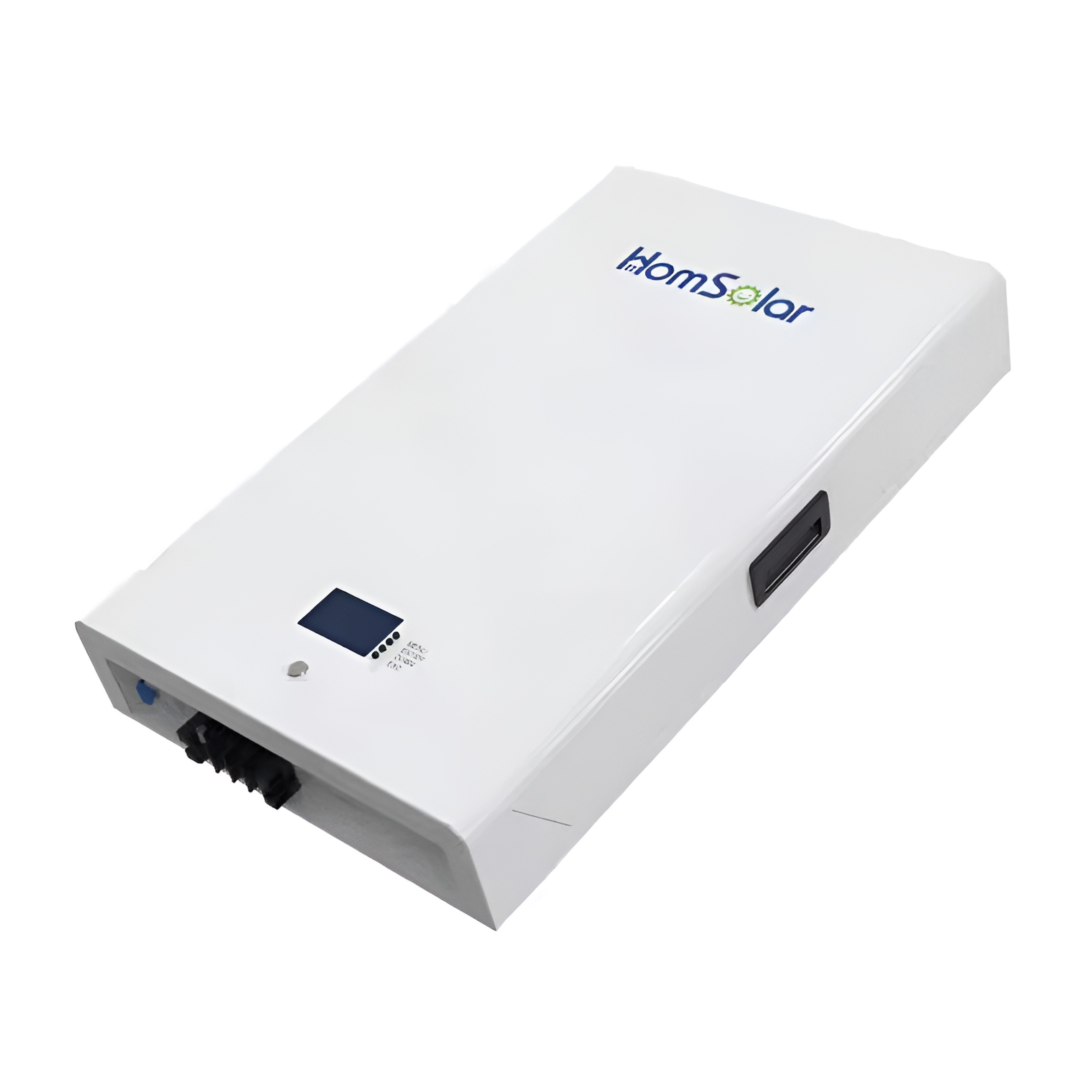
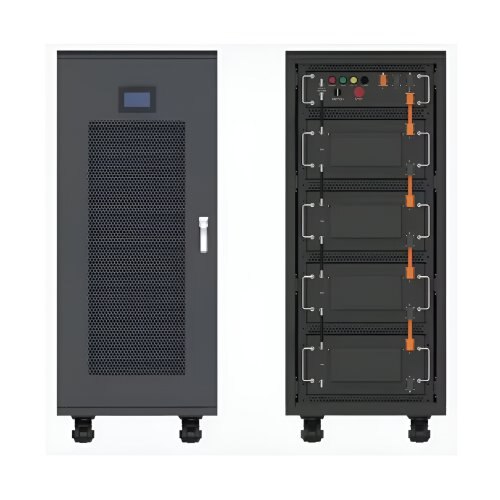
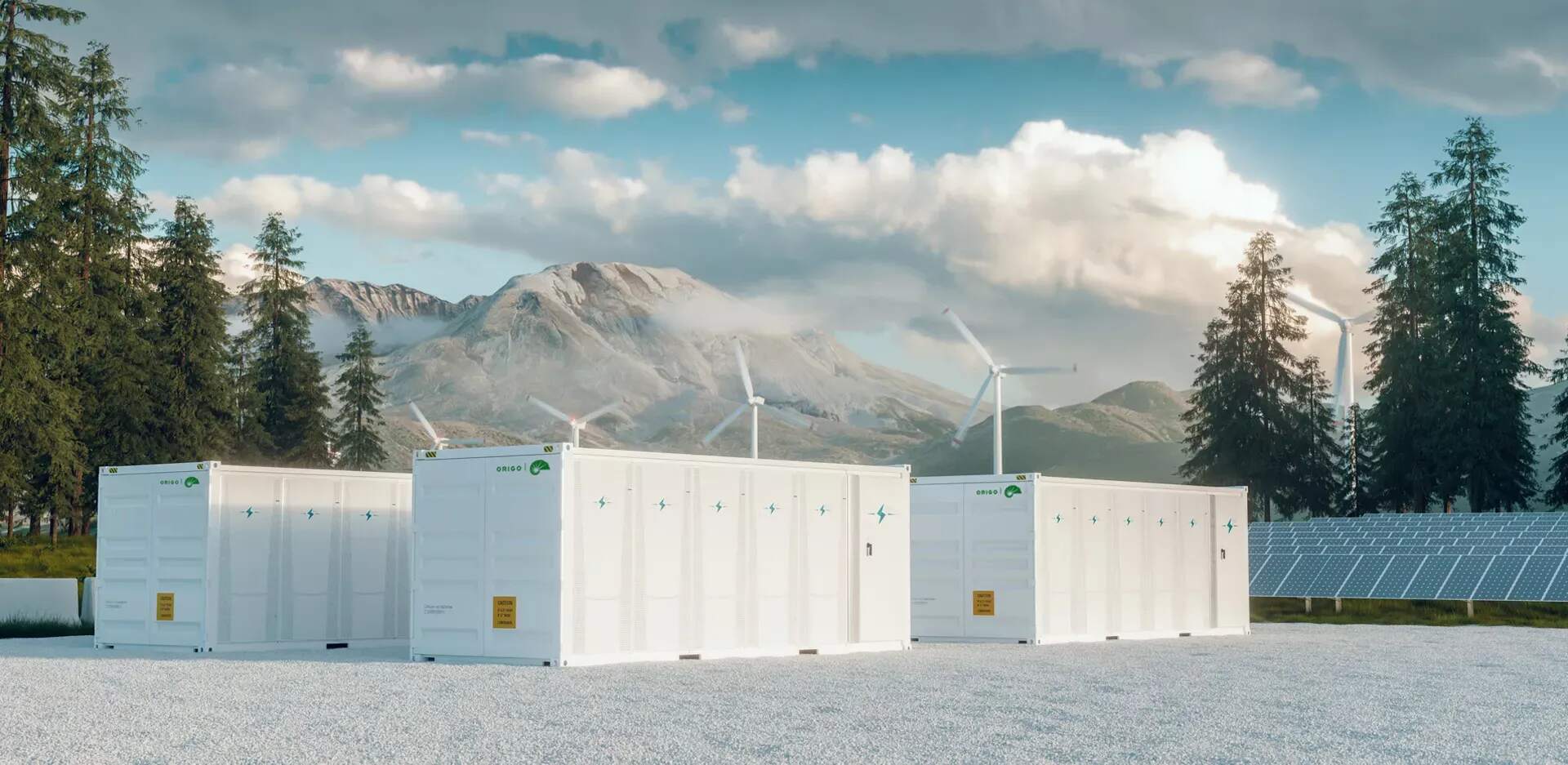
The primary function of an LFP battery is to provide a stable, long-lasting, and safe power source. It is engineered for applications where the battery is expected to endure thousands of charge-discharge cycles over many years with minimal degradation. This makes it an ideal solution for:Home Energy Storage Systems (ESS): Powering a home with solar energy requires daily charging and discharging, demanding a battery that can withstand this rigorous cycle life.Electric Vehicles (EVs): Particularly in standard-range models, LFP chemistry offers a battery pack that is likely to outlast the vehicle itself.Portable Power Stations: For camping, RVing, or backup power, where reliability over many years is a key purchasing factor.Commercial and Grid Storage: Where operational longevity and total cost of ownership are paramount.
The Pros: Where LFP Battery Lifespan Truly Shines
1. Exceptional Cycle Life: This is the headline feature. Where a high-quality NMC battery might be rated for 500-1,000 full cycles before significant degradation, LFP batteries routinely boast ratings of 3,000 to 6,000 cycles—and often more—to reach 80% of their original capacity. In practical terms, this translates to a potential functional life of 10 years or more, even with daily use. This dramatically reduces the long-term cost and frequency of replacement.
2. Superior Safety Profile: The LFP chemistry is inherently more stable. It has a much higher thermal runaway threshold, meaning it is far more resistant to catching fire or exploding under conditions of overcharging, short-circuiting, or physical damage. This safety advantage provides significant peace of mind, especially in home and vehicular applications.
3. Stable Performance Across States of Charge: Unlike other lithium-ion chemistries that suffer from stress when kept at 100% charge for prolonged periods, LFP batteries are far less susceptible. It is generally considered acceptable, and often recommended, to charge an LFP battery to 100% regularly. This eliminates the common user anxiety about maintaining a charge between 20% and 80% to preserve lifespan, making it a more user-friendly "set and forget" solution.
4. Cost-Effectiveness (Long-Term): While the upfront cost of LFP has historically been a barrier, it has decreased significantly and is now highly competitive. The absence of cobalt, an expensive and ethically contentious material, is a key driver. When the multi-thousand-cycle lifespan is factored in, the total cost of ownership over a decade often proves lower than that of alternatives.
The Cons: The Necessary Trade-Offs
No technology is perfect, and LFP's strengths come with distinct compromises that consumers must acknowledge.
1. Lower Energy Density: This is the most significant trade-off. LFP batteries store less energy per unit of volume and weight than their NMC or NCA counterparts. This means that for a given physical size and weight, an LFP battery will have a lower capacity (in Watt-hours or kWh). In an EV context, this is why LFP is often used in standard-range models, while high-performance, long-range vehicles still typically use higher-density NMC packs to save weight and space.
2. Lower Nominal Voltage: An LFP cell has a nominal voltage of 3.2V, compared to 3.6V or 3.7V for NMC. This requires different engineering in battery management systems (BMS) and can sometimes lead to compatibility issues with devices designed specifically for the more common lithium-ion voltages, though this is largely handled by the manufacturer.
3. Performance in Sub-Zero Temperatures: LFP batteries are more sensitive to cold weather. Their ability to accept a charge is significantly reduced at temperatures below freezing (0°C / 32°F). While discharging in the cold is less affected, this charging limitation is a crucial consideration for EV owners without garages or for using power stations in winter climates. Most modern systems include battery heaters to mitigate this, but it consumes extra energy.
Actual Use Experience
Living with a product powered by an LFP battery is characterized by a sense of durability and reduced anxiety. In testing a popular LFP-based portable power station over 18 months, the experience was notably different from previous lithium-ion models. The freedom to fully charge it before a trip without worrying about long-term degradation was liberating. After hundreds of cycles, a capacity test showed a capacity retention of over 96%, a figure that would be exceptional for other chemistries.
In the context of an EV with an LFP pack, the owner's experience is defined by the "100% charge" recommendation from the manufacturer. There is no need to fiddle with charge limit settings for daily use. The driver can simply plug in and have a full "tank" every morning, confident that the battery's chemistry is not being unduly stressed. The perceived trade-off is the vehicle's slightly heavier weight and potentially less range per kWh compared to a competitor's sleeker, NMC-based model, but the trade is for a battery that will likely remain healthy for the vehicle's entire service life.
Conclusion
The LFP battery is not a one-size-fits-all solution. Its lower energy density precludes it from applications where minimizing size and weight is the absolute priority. However, for the vast majority of applications where longevity, safety, and real-world reliability are the primary concerns, LFP technology is in a class of its own.
Its product philosophy is one of endurance over peak performance. It sacrifices the sprinting capability of other chemistries for the stamina of a marathon runner. For consumers investing in a home energy system, a portable power station for long-term use, or an EV they plan to drive for a decade, the LFP battery's lifespan is its most compelling and transformative feature. It represents a mature, dependable, and profoundly practical approach to energy storage that rightly earns its place as a leading technology for a sustainable future.
Product Catalogs