Lifepo4 Battery Lifespan Review: Unmatched Longevity And Real-world Reliability
In the ever-evolving landscape of energy storage, the promise of a long-lasting battery has become a holy grail. Among the various chemistries vying for dominance, Lithium Iron Phosphate (LiFePO4) has carved out a formidable reputation, primarily built upon the pillar of its exceptional lifespan. This review delves deep into the world of LiFePO4 batteries, moving beyond spec sheets to examine how this defining characteristic translates into real-world product performance, functionality, and overall value.
Core Functionality and Technology
At its heart, a LiFePO4 battery is a type of lithium-ion battery, but its cathode material is composed of lithium iron phosphate, unlike the more common lithium cobalt oxide (LiCoO2) found in smartphones and laptops. This fundamental chemical difference is the source of its unique advantages and trade-offs.
The primary function of any LiFePO4 battery is to provide a stable, rechargeable power source. They are designed to deliver consistent voltage throughout the vast majority of their discharge cycle, a feature known as a "flat discharge curve." This means your devices or vehicles run at optimal power until the battery is nearly depleted, unlike other batteries whose performance gradually declines.
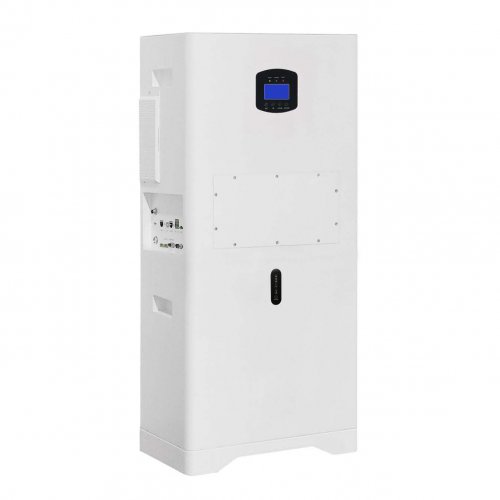
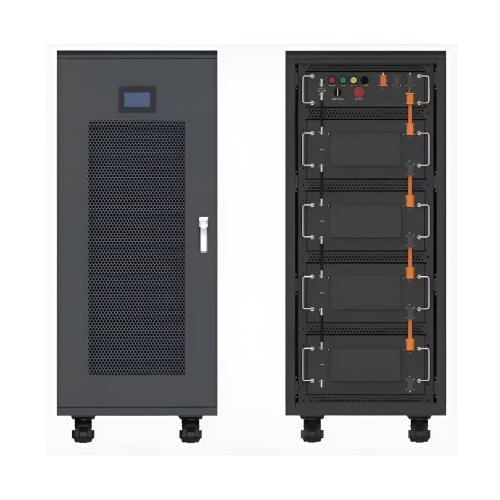
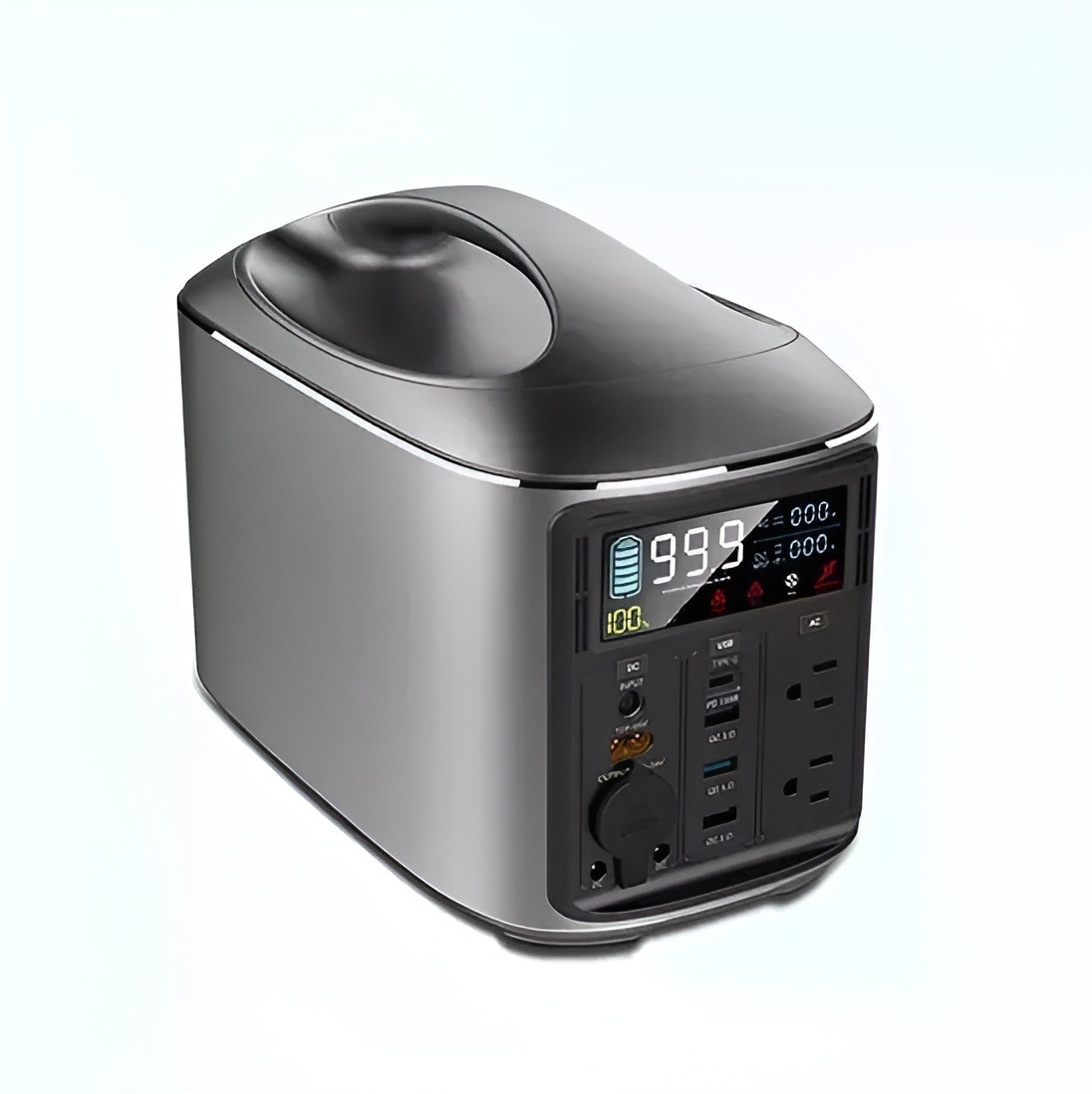
Key functional features include:High Discharge and Charge Rates: Capable of delivering high burst currents, making them ideal for applications like solar power storage, electric vehicles, and powering high-drain appliances.High Cycle Life: This is their flagship feature. While a typical lead-acid battery may offer 300-500 full cycles, a quality LiFePO4 battery is routinely rated for 3,000 to 5,000 cycles, with some premium models claiming up to 10,000 cycles while retaining 80% of their original capacity.Built-in Battery Management System (BMS): Almost all modern LiFePO4 products include a BMS, which is crucial for protecting the battery. It manages charging and discharging parameters, provides critical protection against over-charge, over-discharge, over-current, and short-circuiting, and helps balance the cells to ensure longevity.
The Advantages: Why Lifespan is a Game-Changer
1. Unrivaled Cycle Life: The most significant advantage is the sheer number of charge-discharge cycles. For a user, this translates to years, and often decades, of service. A LiFePO4 battery used in a daily solar setup could theoretically last over a decade without significant degradation, drastically reducing the long-term cost of ownership. 2. Enhanced Safety Profile: LiFePO4 chemistry is inherently more stable than other lithium-ion variants. It is highly resistant to thermal runaway, the phenomenon that can lead to fires or explosions in stressed batteries. This makes it a safer choice for home energy storage, RVs, and marine applications. 3. Minimal Maintenance: Unlike lead-acid batteries that require regular watering and equalization charges, LiFePO4 batteries are essentially maintenance-free. The BMS handles all the necessary monitoring and balancing. 4. High Efficiency: They boast excellent charge and discharge efficiency, often above 95-98%. This means less energy is lost as heat during charging, so you get more usable power from your solar panels or grid charger. 5. Lightweight and Compact: They offer a significantly higher energy density than lead-acid batteries, providing the same or greater power in a much smaller and lighter package.
The Disadvantages: The Necessary Trade-Offs
1. Higher Initial Cost: The most immediate barrier for many consumers is the upfront cost. A LiFePO4 battery can be two to three times more expensive than a comparable lead-acid battery. However, this must be evaluated against its vastly superior lifespan. 2. Lower Energy Density: While better than lead-acid, LiFePO4 has a lower volumetric and gravimetric energy density than other lithium-ion chemistries like NMC (Nickel Manganese Cobalt). This means for the same physical size, an NMC battery might store more energy, making NMC potentially better for applications where maximum runtime in a tiny space is critical (e.g., high-performance drones). 3. Voltage Compatibility: Their nominal voltage (12.8V for a 4-cell battery) and charging profile are different from traditional 12V lead-acid batteries. While often marketed as "drop-in replacements," some equipment, particularly older battery chargers or inverters, may not be optimally calibrated for them, potentially requiring upgrades for best performance. 4. Performance in Extreme Cold: LiFePO4 batteries cannot be charged at temperatures below freezing (0°C / 32°F) without an integrated heating system, which some models include. Discharging at low temperatures is possible but with reduced capacity.
Real-World Usage Experience
To understand the "lifespan" claim beyond the laboratory, consider its application in common scenarios.Solar Power System: In a residential solar setup, the battery is cycled daily. A lead-acid battery would need replacement every 2-3 years, incurring significant cost and hassle. A LiFePO4 battery, after two years of daily use, shows negligible capacity loss. The peace of mind knowing the battery will likely outlast the solar panels themselves is a profound benefit. The high efficiency also means more harvested solar energy is available for use at night.Recreational Vehicle (RV) or Boat: For an avid traveler, the battery's lightweight nature improves fuel efficiency. The ability to discharge it deeply (often down to 90-100% Depth of Discharge without damage) means you can run appliances longer without worrying about damaging the battery. The lack of maintenance and off-gassing is a major safety and convenience win in confined spaces.Power Backup (UPS): In an uninterruptible power supply, reliability is paramount. The long lifespan of a LiFePO4 battery ensures that the backup system remains reliable for many years, without the anxiety of a lead-acid battery failing unexpectedly after a short service life. Its rapid charge rate also means it's ready for the next outage much quicker.
Over time, users report a "set it and forget it" experience. The battery simply works, cycle after cycle, with no discernible drop in performance. This reliability is the ultimate validation of its lifespan claims.
Objective and Balanced Conclusion
The LiFePO4 battery is not a one-size-fits-all solution. Its high initial investment demands careful consideration. For applications where absolute minimum size and weight for a given capacity are the top priorities, other lithium chemistries might be more suitable.
However, when the total cost of ownership, long-term reliability, and safety are the primary metrics, the LiFePO4 battery stands in a class of its own. Its legendary lifespan is not just a marketing term but a tangible characteristic that reshapes the economics of owning a battery-powered system. The higher price tag is an investment that pays dividends over many years of faithful, maintenance-free service. It is a product whose core value proposition is not in how it performs on day one, but in how it continues to perform, with remarkable consistency, on day 3,650 and beyond. For anyone serious about sustainable and reliable energy storage, the LiFePO4 battery presents a compelling and objectively superior long-term solution.
Product Catalogs