Lifepo4 Battery Review: Unpacking The Longevity, Safety, And Real-world Performance
The quest for reliable, safe, and long-lasting power storage has become a central theme in our increasingly mobile and energy-conscious world. Among the various battery chemistries vying for dominance, Lithium Iron Phosphate (LiFePO4) has emerged as a formidable contender, particularly for demanding applications. This review delves deep into the world of LiFePO4 batteries, moving beyond the spec sheets to explore their core functions, inherent advantages, practical limitations, and real-world usability.
Core Function and Technology
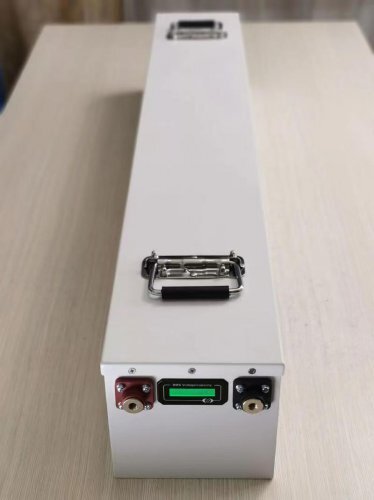
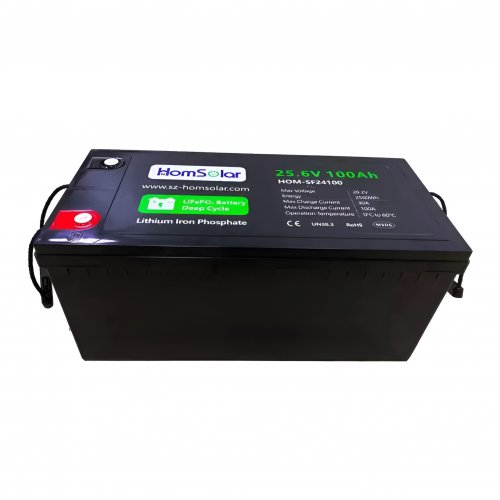
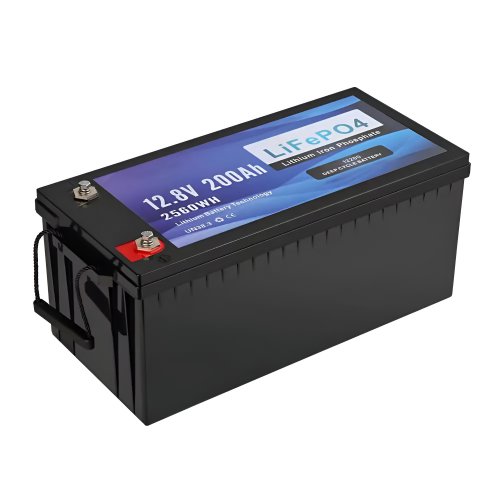
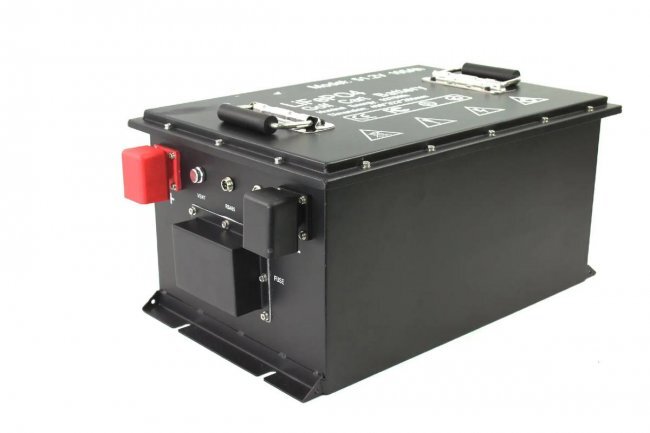
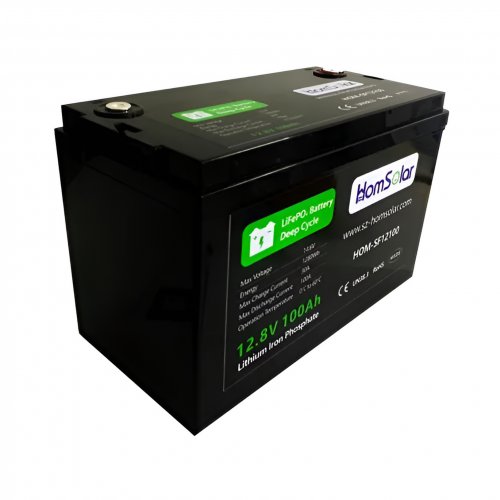
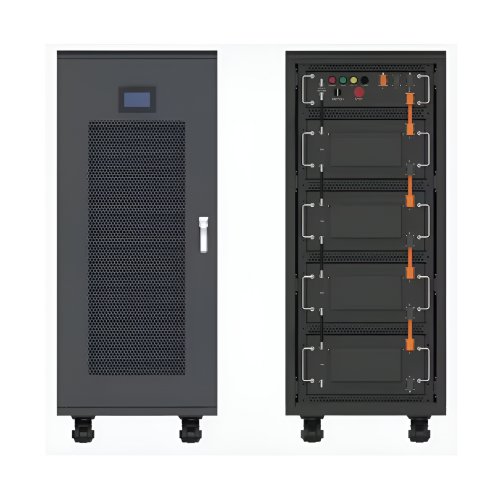
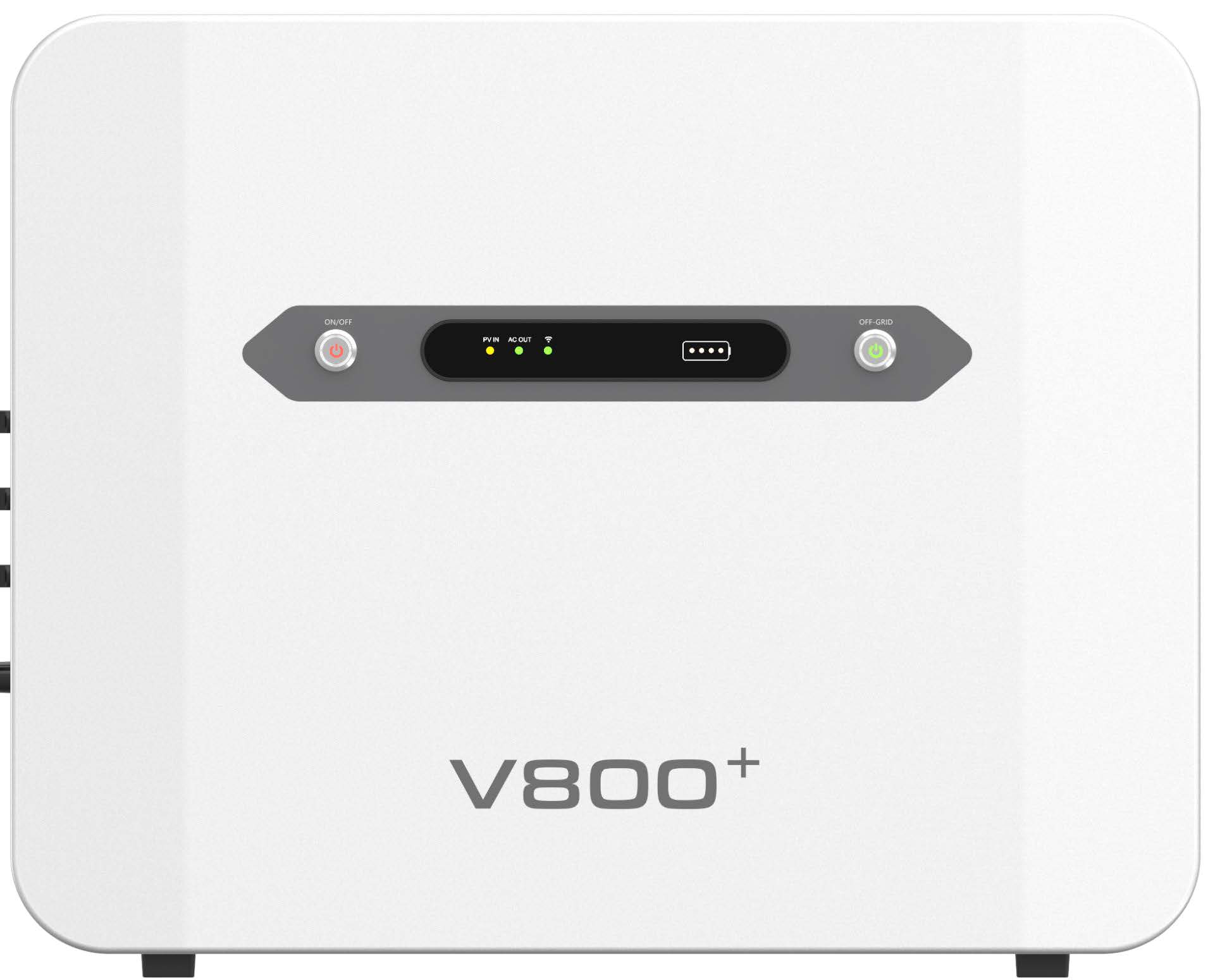
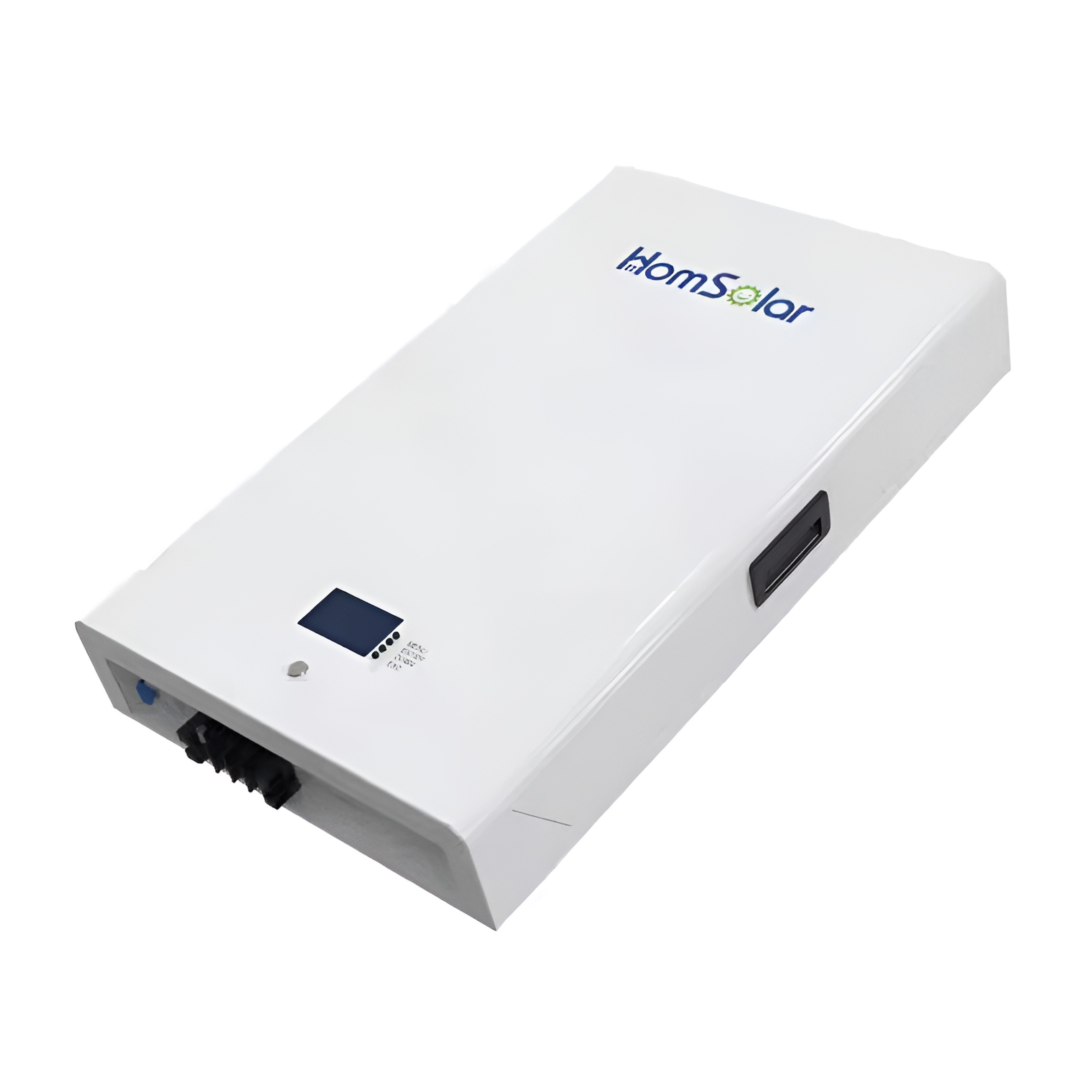
At its heart, a LiFePO4 battery is a type of lithium-ion battery, but it uses lithium iron phosphate as the cathode material, unlike the more common lithium cobalt oxide (LiCoO2) found in smartphones and laptops. This fundamental chemical difference is the source of its unique characteristics. The primary function of any LiFePO4 battery is to store and deliver electrical energy with exceptional stability and cycle life. They are not a one-size-fits-all consumer product but are engineered for specific use cases, including:Solar Energy Storage: As a backbone for off-grid and backup power systems.Recreational Vehicles (RVs) and Marine: Powering appliances, lighting, and electronics on the move.Golf Carts and Electric Vehicles (LEVs): Providing the driving force for low-speed transportation.Portable Power Stations: Serving as the internal battery for popular all-in-one power units.Critical Backup Power: For devices like medical equipment or telecommunications where failure is not an option.
The Advantages: Where LiFePO4 Truly Shines
The popularity of LiFePO4 is built on a foundation of compelling benefits that address the pain points of older technologies like lead-acid.
1. Exceptional Cycle Life: This is arguably the most significant advantage. A quality LiFePO4 battery can withstand 2,000 to 5,000 full charge-discharge cycles while retaining 80% of its original capacity. In practical terms, this translates to a lifespan of 5 to 10 years, or even longer, dwarfing the 300-500 cycles typical of lead-acid batteries. This long-term value often justifies the higher initial investment.
2. Enhanced Safety Profile: Safety is a non-negotiable feature. The LiFePO4 chemistry is inherently more stable. It is far more resistant to thermal runaway, a chain reaction that can lead to overheating and fire. These batteries can withstand higher temperatures and are much less prone to combustion, even when punctured or damaged, compared to other lithium-ion variants.
3. Stable Power Delivery: Unlike some batteries whose voltage drops steadily as they discharge, LiFePO4 batteries maintain a remarkably consistent voltage throughout most of their discharge cycle. This means devices and motors receive stable power, often resulting in better performance and efficiency until the battery is nearly depleted.
4. Fast Charging Capability: LiFePO4 batteries can accept a much higher charge current than lead-acid batteries. Where a lead-acid battery might require 5-8 hours for a full charge, a LiFePO4 can often be charged to 100% in 1-2 hours with an appropriate charger, minimizing downtime.
5. Lightweight and Maintenance-Free: They are significantly lighter than their lead-acid counterparts with similar capacity, a critical factor for RVs and marine applications. Furthermore, they require no periodic watering or equalization charges, making them a true "install and forget" solution.
The Disadvantages: Acknowledging the Trade-Offs
No technology is perfect, and LiFePO4 comes with its own set of compromises that must be considered.
1. Higher Upfront Cost: The most immediate barrier for many consumers is the initial purchase price. A LiFePO4 battery can cost two to three times more than a comparable lead-acid battery. However, a thorough cost-per-cycle analysis almost always reveals that LiFePO4 is more economical over its entire lifespan.
2. Lower Energy Density: While lighter than lead-acid, LiFePO4 has a lower volumetric and gravimetric energy density than other lithium-ion chemistries like NMC (Nickel Manganese Cobalt). This means that for the same physical space, an NMC battery might store more energy. For applications where maximizing runtime in a tiny package is the top priority (like a high-end drone), other chemistries might be preferred.
3. Performance in Extreme Cold: While they handle heat well, LiFePO4 batteries cannot bechargedat temperatures below freezing (0°C / 32°F) without risking permanent damage to the plates. Many modern batteries come with built-in Battery Management Systems (BMS) that include low-temperature charge protection, but this is a critical operational constraint for users in cold climates.
4. Requires a Specific Charger: To maximize lifespan and safety, a LiFePO4 battery must be charged with a compatible charger designed for its specific voltage profile. Using an old lead-acid charger will not yield optimal results and could be harmful.
Real-World Usage Experience
In practical terms, using a LiFePO4 battery system is characterized by a sense of reliability and freedom from worry. For an RV owner, the difference is night and day. The ability to power a refrigerator, lights, and a water pump throughout a weekend without recharging, and then rapidly recharge via solar panels or a generator, transforms the camping experience. The constant voltage ensures that water pumps run with consistent pressure and LED lights do not dim as the night goes on.
For a homeowner with a solar installation, the peace of mind is twofold. First, the knowledge that the battery bank is incredibly durable and likely to outlast the solar panels themselves. Second, the enhanced safety means housing the battery system inside a garage or home carries significantly less risk.
The single most notable aspect of the user experience is the lack of maintenance. There is no need to check fluid levels or worry about sulfation from partial states of charge. The integrated BMS handles cell balancing, over-voltage, and under-voltage protection automatically.
Conclusion: A Balanced Verdict
The LiFePO4 battery is not a flashy, high-performance toy; it is a workhorse engineered for endurance and safety. Its value proposition is clear: pay more upfront for a product that will last far longer, perform more reliably, and operate more safely than traditional alternatives.
It is not the ideal choice for every single application—where the absolute smallest size and lightest weight for a given capacity are paramount, other options exist. However, for nearly all stationary, marine, RV, and backup power scenarios, the LiFePO4 chemistry represents a mature, robust, and ultimately cost-effective solution. Its limitations, such as cold-weather charging constraints, are well-defined and manageable with proper system design. For anyone serious about dependable energy storage, a LiFePO4 battery is an investment that pays dividends in reliability and peace of mind for years to come.
Product Catalogs