Lifepo4 Battery Review: Unpacking The Longevity, Safety, And Real-world Performance
The quest for reliable, safe, and long-lasting power storage has become a central theme in our increasingly mobile and energy-conscious world. Among the various battery chemistries vying for dominance, Lithium Iron Phosphate (LiFePO4) has emerged as a formidable contender, particularly for applications where durability and safety are non-negotiable. This review delves into the world of LiFePO4 batteries, moving beyond the technical datasheets to provide a comprehensive analysis of their functions, advantages, drawbacks, and real-world performance.
Product Function: More Than Just Power
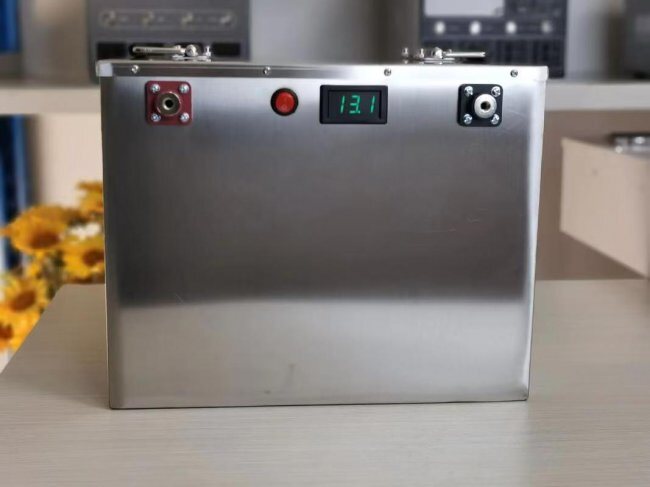
At its core, a LiFePO4 battery serves the same fundamental purpose as any other rechargeable battery: to store electrical energy and release it on demand. However, its true value lies inhowit accomplishes this task and where it excels. LiFePO4 batteries are not typically the choice for ultra-high-density applications like smartphones or laptops. Instead, they have carved out a critical niche in areas requiring robust, deep-cycle performance.
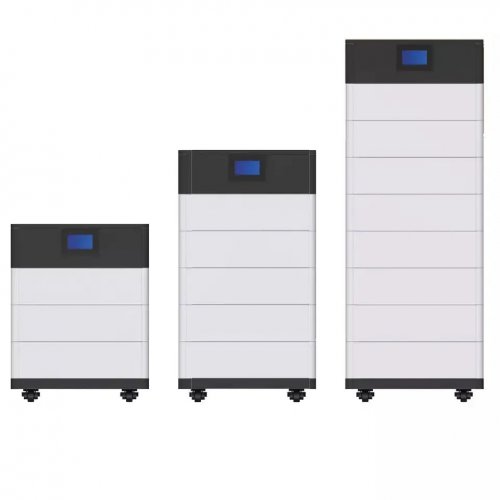
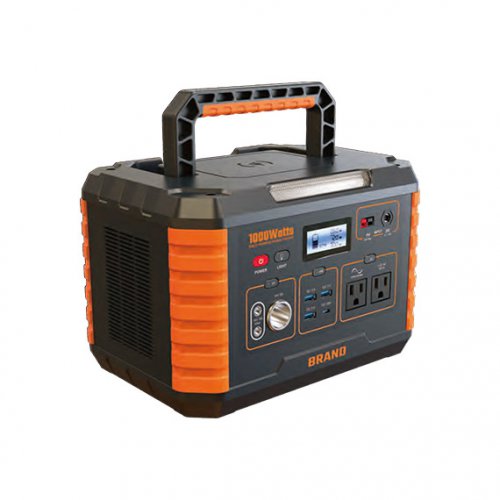
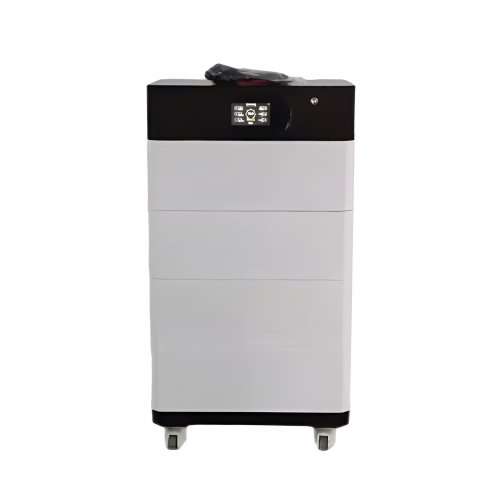
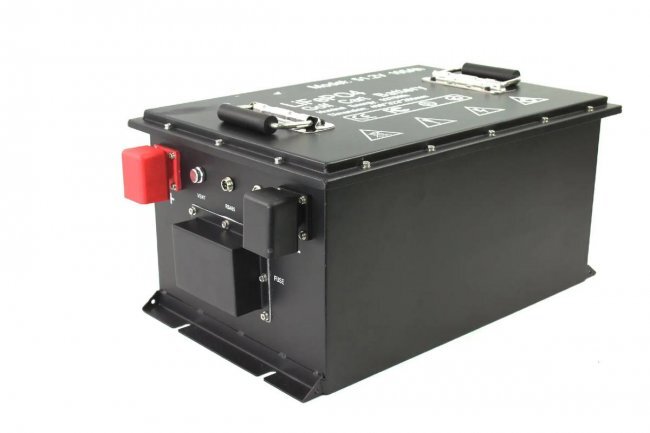
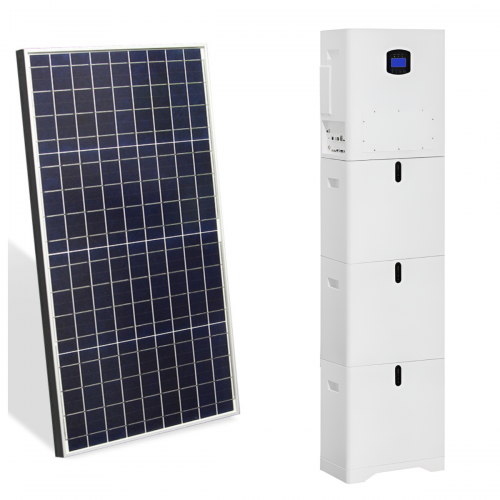
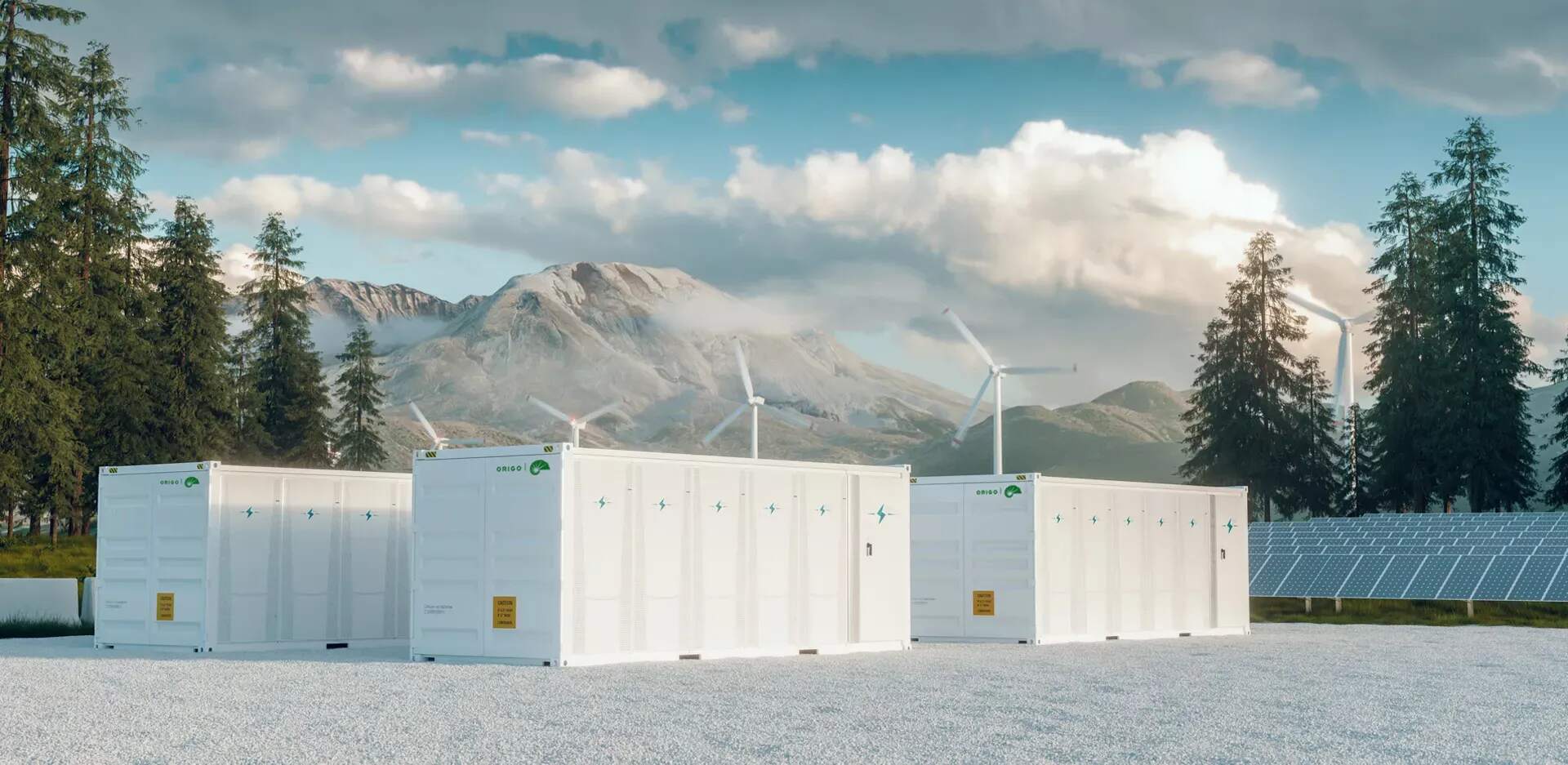
Their primary functional applications include:Solar Energy Storage: Acting as the backbone for off-grid and backup power systems, reliably storing solar energy for use day and night.Recreational Vehicles (RVs) and Marine Use: Powering appliances, lighting, and electronics in caravans, boats, and yachts, where consistent and safe power is crucial.Golf Carts and Electric Vehicles (LEVs): Serving as the propulsion battery for low-speed electric vehicles, including golf carts, scooters, and some utility vehicles.Portable Power Stations: Forming the internal core of many modern, high-end portable power stations designed for camping, tailgating, and emergency backup.Uninterruptible Power Supplies (UPS): Providing a reliable and long-lasting backup for critical electronics and computer systems.
The key functional differentiator is the battery's ability to withstand thousands of deep discharge and recharge cycles with minimal capacity degradation, making it an investment in long-term energy autonomy.
The Advantages: Where LiFePO4 Truly Shines
The popularity of LiFePO4 chemistry is built upon a solid foundation of compelling advantages that directly address the pain points of older technologies like lead-acid.
1. Exceptional Cycle Life: This is arguably the most significant benefit. A quality LiFePO4 battery can endure between 2,000 to over 5,000 charge cycles while retaining 80% of its original capacity. In comparison, a standard lead-acid battery may only last 300-500 cycles. This translates to a service life of up to a decade or more, drastically reducing the long-term cost of ownership. 2. Enhanced Safety Profile: Safety is a paramount concern with any lithium-based battery. The LiFePO4 chemistry is inherently more stable than other lithium-ion variants (like NMC or LCO). The strong phosphate-oxide bonds make it highly resistant to thermal runaway, which is the phenomenon that can lead to fires or explosions in cases of overcharging, short-circuiting, or physical damage. This intrinsic stability provides significant peace of mind. 3. High Discharge and Charge Rates: LiFePO4 batteries can deliver high burst currents, making them ideal for applications like starting motors or powering high-wattage inverters. They also accept a charge much faster than lead-acid batteries, allowing for quicker recharging from solar panels or generators. 4. Maintenance-Free Operation: Unlike flooded lead-acid batteries, LiFePO4 batteries are sealed and require no periodic watering, equalization charges, or specific ventilation. This "set and forget" nature is a major convenience benefit. 5. Consistent Voltage and High Efficiency: They maintain a remarkably stable voltage throughout most of their discharge cycle. This means connected devices receive consistent power without the performance drop-off associated with other batteries. Furthermore, their round-trip efficiency (energy in vs. energy out) often exceeds 95%, compared to the 80-85% typical of lead-acid, meaning less energy is wasted as heat.
The Disadvantages: Acknowledging the Trade-Offs
No technology is perfect, and LiFePO4 batteries come with their own set of compromises that must be considered.
1. Higher Upfront Cost: The most immediate barrier for many consumers is the initial purchase price. A LiFePO4 battery can cost two to three times more than a lead-acid battery of similar capacity. While the total cost of ownership is often lower over time, the higher entry point can be a deterrent for budget-conscious projects. 2. Lower Energy Density: While improving, LiFePO4 batteries have a lower energy density by weight and volume compared to other lithium-ion chemistries like Lithium Cobalt Oxide (LCO). This means that for a given physical size or weight, an NMC battery might store more energy. For applications where maximizing runtime in the smallest possible package is the top priority (e.g., high-performance drones), this can be a limiting factor. 3. Performance in Extreme Cold: LiFePO4 batteries cannot be charged at temperatures below freezing (0°C / 32°F) without an integrated or external heating system. Charging in sub-zero conditions can cause permanent damage. While they can be discharged at lower temperatures, their performance and available capacity are reduced. This necessitates careful planning for winter use in off-grid scenarios. 4. Requires a Specific Charger: To maximize lifespan and ensure safety, LiFePO4 batteries require a compatible battery management system (BMS) and a charger designed for their specific voltage profile. Using an incompatible lead-acid charger will not yield optimal results and could potentially harm the battery.
Actual Use Experience
In practical terms, using a LiFePO4 battery is a lesson in reliability and consistency. For an RV owner, the difference is night and day. Where a lead-acid battery would require careful monitoring of depth-of-discharge to avoid sulfation, a LiFePO4 system can be routinely discharged to 80-90% of its capacity without a second thought. The voltage remains high enough to run an inverter smoothly, powering a microwave or a coffee maker without the lights dimming as the battery depletes.
In a solar setup, the fast charge acceptance means that valuable morning sun is captured more efficiently, filling the battery bank quicker. The lack of maintenance is a profound quality-of-life improvement, eliminating a recurring chore. The primary user experience is one of trust; the battery simply works as expected, cycle after cycle. The main points of friction are felt during the initial setup—ensuring the correct charger and wiring are in place—and during cold weather, where one must be proactive about managing charging conditions.
Conclusion
The LiFePO4 battery is not a one-size-fits-all solution. Its higher initial cost and lower energy density make it less suitable for consumer electronics or applications where minimizing size and weight is the absolute priority. However, for its intended domains—solar energy storage, RV and marine house power, golf carts, and critical backup systems—it represents a technological leap forward.
Its value proposition is built on a foundation of unparalleled cycle life, robust safety, and consistent performance. While the sticker shock is real, it is an investment that pays dividends over many years of faithful, maintenance-free service. For anyone serious about building a resilient and long-lasting power system, the LiFePO4 battery is, objectively, one of the most compelling and rational choices available on the market today.
Product Catalogs