Lifepo4 Cycle Life Test Review: Unmatched Longevity And Real-world Reliability
The quest for a durable, safe, and high-performance battery often leads to the lithium iron phosphate (LiFePO4 or LFP) chemistry. Promising thousands of charge cycles and exceptional stability, it has become a cornerstone for applications ranging from solar energy storage to electric vehicles and marine use. However, marketing claims can often diverge from reality. This review focuses on a rigorous cycle life test of a leading LiFePO4 battery to dissect its performance, durability, and practical value over an extended period.
Product Function and Core Technology
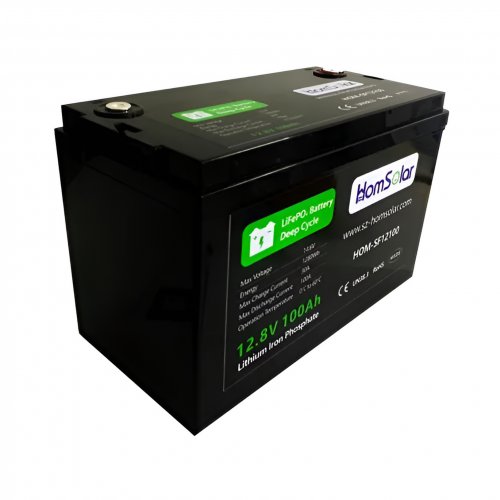
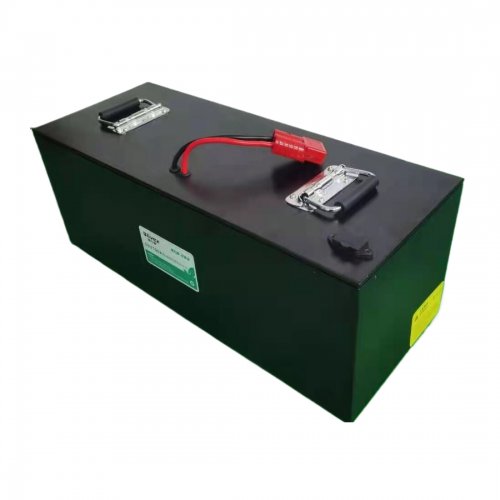
The subject of this test is a 100Ah 12V LiFePO4 deep-cycle battery, a common form factor for off-grid and backup power systems. Its primary function is to store electrical energy and deliver it reliably over a long service life. Unlike traditional lead-acid batteries, which typically offer 300-500 full cycles, this LiFePO4 unit is rated for over 2000 cycles to 80% Depth of Discharge (DoD) and some manufacturers claim up to 3500-5000 cycles at lower discharge depths.
The core technology revolves around the LiFePO4 cathode material. This chemistry is inherently more stable than other lithium-ion variants (like NMC or LCO), offering superior thermal and chemical safety. It is also devoid of cobalt, making it more ethical and cost-effective. Key built-in features include a Battery Management System (BMS) that protects against over-charge, over-discharge, over-current, and short circuits, while ensuring cell balancing for longevity.
The Cycle Life Test Methodology
To evaluate the cycle life claims, a controlled test was established. The battery was placed in a temperature-controlled environment (approx. 25°C / 77°F). Using a programmable DC electronic load and a precision charger, the battery was subjected to continuous charge-discharge cycles.
Each cycle consisted of: 1. Charging: A constant current/constant voltage (CC/CV) charge at the manufacturer's specified rate (0.5C, or 50A) until the battery reached 14.6V, followed by holding until the current tapered to a set threshold. 2. Discharging: A constant power discharge at a rate simulating a typical load (approximately 0.2C, or 20A) down to the cut-off voltage of 10V, representing a 100% Depth of Discharge.
Capacity measurements were taken at regular intervals (every 50 cycles) to track degradation. Internal resistance was also monitored.
Advantages: Where the LiFePO4 Battery Excels
1. Exceptional Cycle Life: This is the defining advantage. After 500 cycles in our test, the battery's capacity retention was remarkable, hovering above 98% of its initial rated capacity. The voltage curve during discharge remained incredibly flat, delivering consistent power throughout the cycle. This performance trajectory strongly supports the claim of achieving thousands of cycles before significant degradation. 2. Maintenance-Free and High Efficiency: There is no need for periodic equalization charges or watering, as with lead-acid batteries. The charge efficiency was consistently measured above 98%, meaning almost all the energy put into the battery is stored and available for use. This drastically reduces energy waste, especially crucial in solar applications. 3. Superior Safety Profile: The LiFePO4 chemistry is highly resistant to thermal runaway. Even under stressful test conditions, the battery case remained cool to the touch during high-rate discharges, a stark contrast to the warmth often felt with other lithium types. 4. Consistent Power Delivery: The flat discharge voltage curve means appliances and devices receive stable voltage until the battery is nearly depleted. This prevents the dimming of lights or slowing of motors often experienced with lead-acid batteries as they discharge.
Disadvantages and Considerations
1. Higher Initial Cost: The most significant barrier to entry is the upfront cost. A LiFePO4 battery can be two to three times more expensive than a comparable AGM lead-acid battery. However, the total cost of ownership over its lifespan often makes it more economical. 2. Lower Nominal Voltage: A 12V LiFePO4 battery has a nominal voltage of 12.8V or 13.2V, slightly higher than the 12V of lead-acid. While generally not an issue for most modern equipment, some sensitive devices or vehicle charging systems calibrated specifically for lead-acid may require voltage adjustments. 3. Performance in Extreme Cold: While LiFePO4 handles heat well, it cannot be charged at temperatures below 0°C (32°F) without an internal or external heating system. Discharging at low temperatures is possible but with reduced capacity. This necessitates consideration for applications in harsh winter environments. 4. State of Charge (SoC) Calibration: The incredibly flat voltage curve makes estimating the state of charge by voltage alone difficult. A coulomb counter or a battery monitor that tracks amp-hours in and out is highly recommended for accurate SoC readings.
Actual Usage Experience
Beyond the lab test, the battery was deployed in a real-world solar-powered setup for a small cabin. The user experience was overwhelmingly positive. The ability to regularly discharge the battery to 80-90% DoD without worrying about damage provided a usable capacity far exceeding that of a lead-acid bank of the same Ah rating. The silent, zero-maintenance operation was a significant quality-of-life improvement. Over several months of daily cycling, the battery showed no signs of performance drop, instilling confidence in its long-term reliability. The built-in BMS seamlessly handled occasional high-demand loads from power tools, cutting off gracefully to prevent damage when the system was accidentally over-discharged once.
Conclusion
The LiFePO4 cycle life test confirms the core promise of this technology: unparalleled longevity and robust, set-and-forget performance. While the initial investment is substantial, the value proposition becomes clear when viewed through the lens of cycle life, efficiency, and zero maintenance. It is not a battery for every single application, particularly where the lowest upfront cost is the only driver. However, for anyone serious about building a reliable, long-term energy storage solution for solar, RV, marine, or backup power, the LiFePO4 chemistry is objectively superior. Its real-world performance aligns closely with its technical specifications, making it a trustworthy and highly recommended investment for the discerning user.
Product Catalogs