Lifepo4 Energy Density Review: The Safe And Long-lasting Power Solution
In the ever-evolving landscape of energy storage, Lithium Iron Phosphate (LiFePO4) batteries have carved out a significant and respected niche. While often overshadowed in mainstream conversation by the raw energy figures of their NMC (Lithium Nickel Manganese Cobalt Oxide) cousins, LiFePO4 technology presents a compelling, albeit different, value proposition. This review will delve deep into the core characteristic of LiFePO4 energy density, examining how it translates into real-world product performance, its inherent trade-offs, and the specific use cases where it truly excels.
Understanding the Core Metric: Gravimetric and Volumetric Energy Density
At its heart, energy density refers to the amount of energy a battery can store in a given volume (volumetric in Wh/L) or mass (gravimetric in Wh/kg). This is the single most critical factor determining a battery's runtime and physical footprint.
When evaluating LiFePO4, it is crucial to begin with an honest assessment: its energy density is lower than that of other common lithium-ion chemistries. A typical LiFePO4 cell offers a gravimetric energy density in the range of 90-160 Wh/kg and a volumetric density of around 200-300 Wh/L. In comparison, a high-performance NMC battery can achieve 150-250 Wh/kg and 300-400 Wh/L.
This numerical disadvantage is the primary "con" in any LiFePO4 assessment. For applications where every gram and every cubic centimeter is paramount—such as in high-end electric vehicles aiming for maximum range or in ultralight consumer electronics like smartphones and laptops—this lower density can be a deal-breaker. A LiFePO4 battery with the same capacity as an NMC battery will be physically larger and heavier.
Product Functionality and Key Advantages: The Trade-Off Pays Off
The story, however, does not end with the raw numbers. The lower energy density is a deliberate trade-off for a suite of formidable advantages that make LiFePO4 the superior choice for numerous applications.
1. Exceptional Cycle Life: This is arguably the crown jewel of LiFePO4 technology. Where many lithium-ion batteries begin to significantly degrade after 500-1000 cycles, LiFePO4 batteries routinely deliver 2000 to 5000 full charge-discharge cycles while retaining 80% of their original capacity. In practical terms, this means a LiFePO4 battery can last for a decade or more, even with daily use, drastically reducing its long-term cost of ownership.
2. Unmatched Safety and Thermal Stability: The chemical structure of LiFePO4 is inherently more stable. It is far more resistant to thermal runaway, the dangerous chain reaction that can lead to fires or explosions in other lithium batteries when damaged, overcharged, or subjected to high temperatures. This makes it a profoundly safer option for home energy storage systems (ESS), RVs, boats, and applications where battery safety is non-negotiable.
3. High Power Delivery and Stable Voltage: LiFePO4 cells can deliver high discharge currents (high C-rates) without significant voltage sag or damage. They also maintain a remarkably stable voltage throughout most of their discharge cycle, meaning connected devices receive consistent power until the battery is nearly depleted.
4. Environmental and Ethical Benefits: The chemistry is cobalt-free, avoiding the ethical and supply chain concerns associated with cobalt mining. It is also generally considered less toxic and more environmentally friendly than its NMC or NCA counterparts.
Real-World Usage Experience
Using a product powered by LiFePO4, such as a portable power station or a marine battery bank, reveals the tangible benefits of its characteristics.
In a scenario like a weekend camping trip with a 1000Wh LiFePO4 power station, the weight is noticeably heavier than a hypothetical NMC unit of the same capacity. However, this is quickly forgiven when the unit effortlessly powers a 12V camping fridge, charges camera gear, and runs LED lights for the entire weekend with power to spare. The knowledge that the battery can withstand such deep cycling for thousands of cycles provides immense peace of mind. There is no perceptible voltage drop when a high-wattage device like an electric kettle is switched on; it simply delivers the power cleanly and consistently.
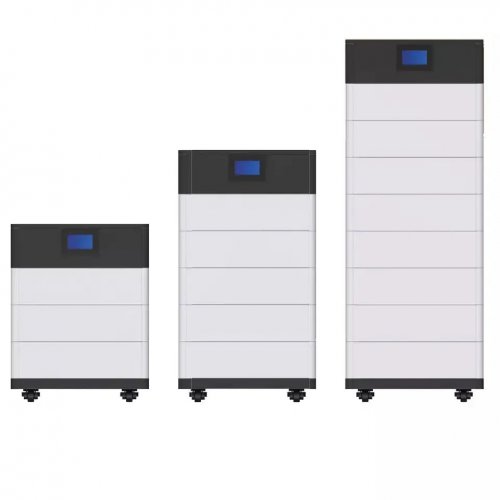
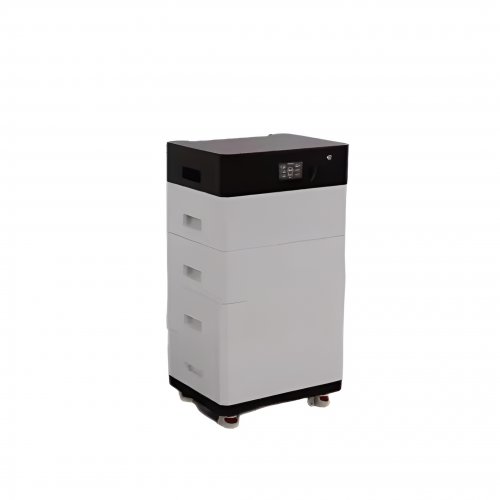
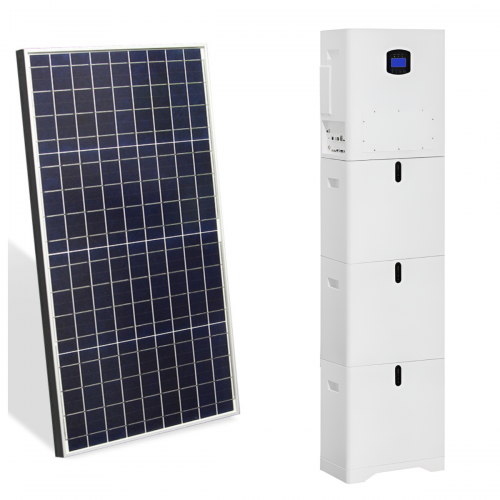
For a homeowner with a solar installation, the safety profile is the key benefit. Installing a large battery bank in a garage or basement feels far less daunting with LiFePO4 chemistry. The stability eliminates the constant, low-level worry about fire risk that can accompany other high-energy-density batteries, especially after a long day of charging and discharging in a hot environment.
Objective Evaluation and Conclusion
To provide an objective evaluation, LiFePO4 is not a one-size-fits-all solution. It is a specialist, not a generalist.
Its limitations are clear: lower energy density leading to bulk and weight, higher initial cost per Wh compared to lead-acid (though often lower than NMC), and slightly lower operational efficiency at very low temperatures, which requires built-in battery management system (BMS) heating in some climates.
However, its strengths are transformative for the right applications. The unparalleled cycle life, supreme safety, and maintenance-free operation make it an outstanding choice for:Solar energy storage systemsRecreational Vehicles (RVs) and marine applicationsGolf carts and utility vehiclesBackup power (UPS) systemsHigh-end portable power stations where longevity is valued over minimal weight
In conclusion, judging a LiFePO4 battery solely on its energy density is to miss the point entirely. The product's defining feature is not its energy density, but itsenergy longevityandoperational safety. It is the tortoise in the race: not the fastest off the line in terms of Wh/kg, but incredibly steady, reliable, and built for the long haul. For users whose priority is a safe, durable, and deeply-cyclable power source that will deliver dependable performance for years, if not decades, the LiFePO4 battery is an objectively excellent and highly recommended investment. It represents a mature, robust, and fundamentally sensible approach to energy storage.
Product Catalogs