Lifepo4 Energy Density Review: Unpacking The Trade-offs For Longevity And Safety
The quest for the ideal battery technology is a constant balancing act. On one side, we have the relentless pursuit of higher energy density, promising longer runtimes in smaller packages. On the other, the critical demands of safety, cycle life, and stability. Enter Lithium Iron Phosphate, or LiFePO4, a battery chemistry that has surged in popularity, particularly in the solar energy, recreational vehicle, and marine sectors. This review will delve into the core characteristics of LiFePO4 batteries, with a specific focus on their defining trait—energy density—to provide a clear-eyed assessment of their capabilities, strengths, and inherent compromises.
Product Function and Core Technology
At its heart, a LiFePO4 battery is a type of lithium-ion battery, but it distinguishes itself through its cathode material. Unlike the more common lithium-cobalt-oxide (LCO) or nickel-manganese-cobalt (NMC) chemistries, LiFePO4 uses lithium iron phosphate. This fundamental difference in chemistry dictates nearly all of its performance characteristics.
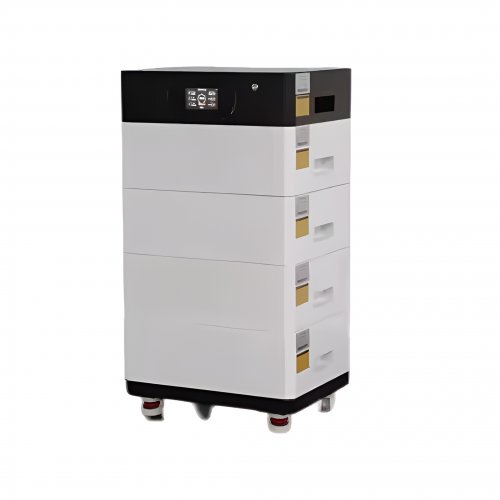
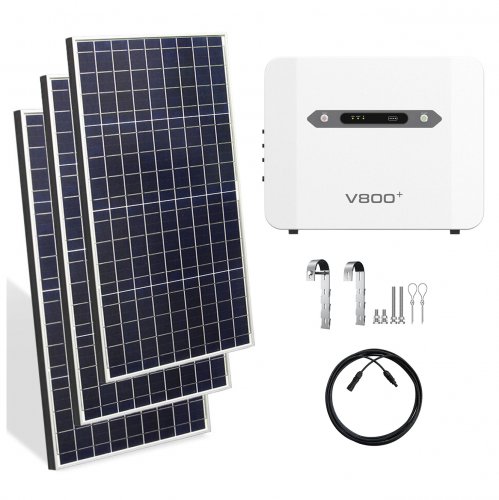
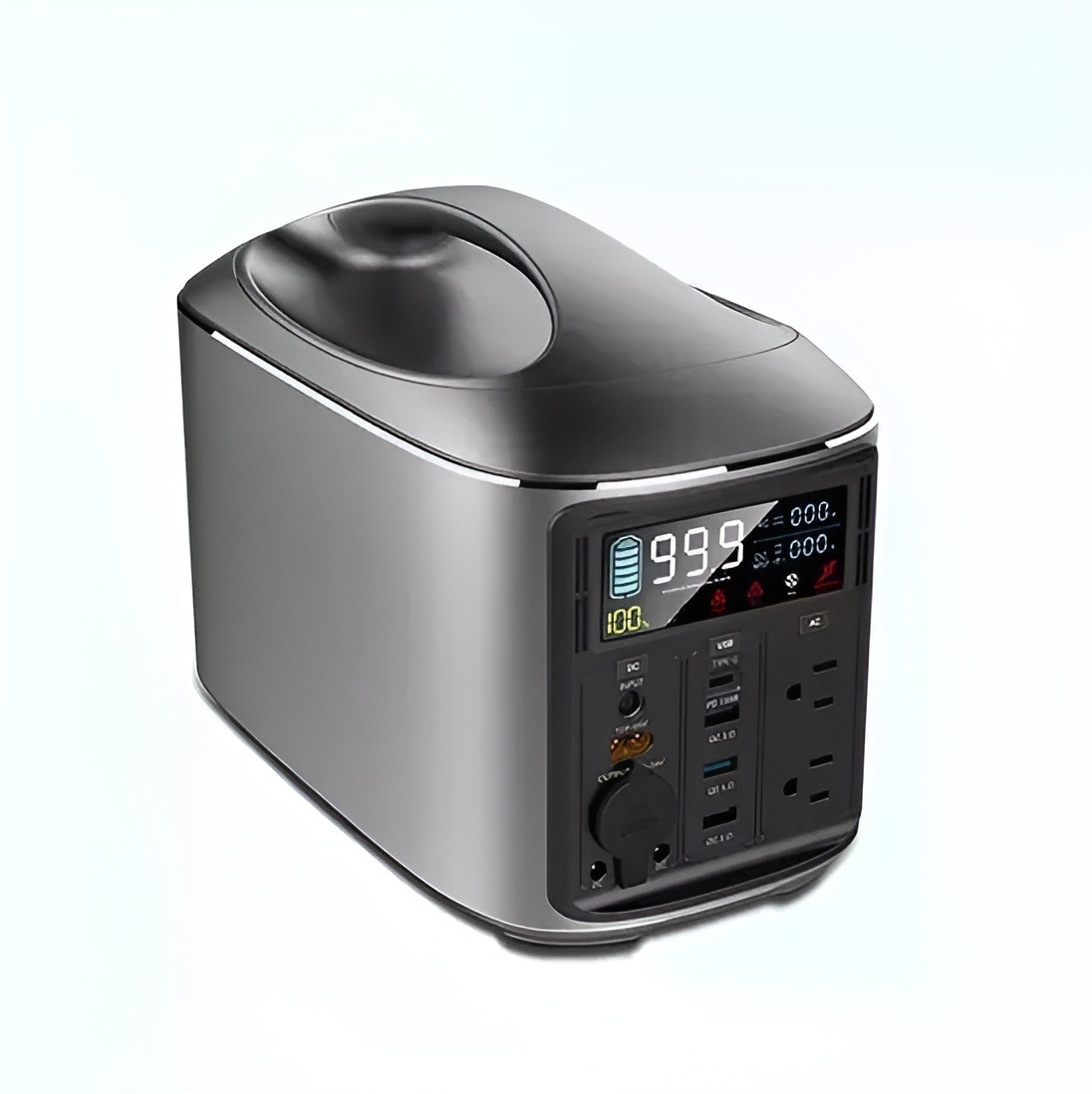
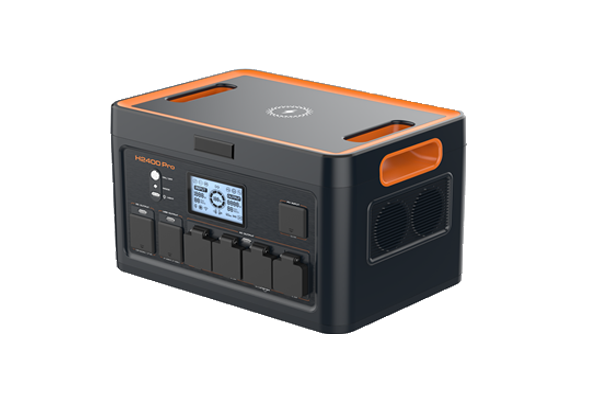
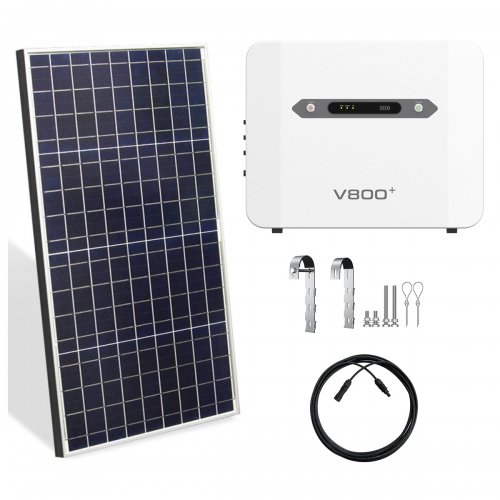
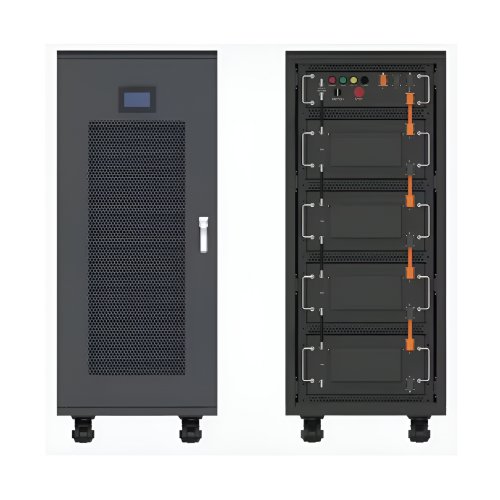
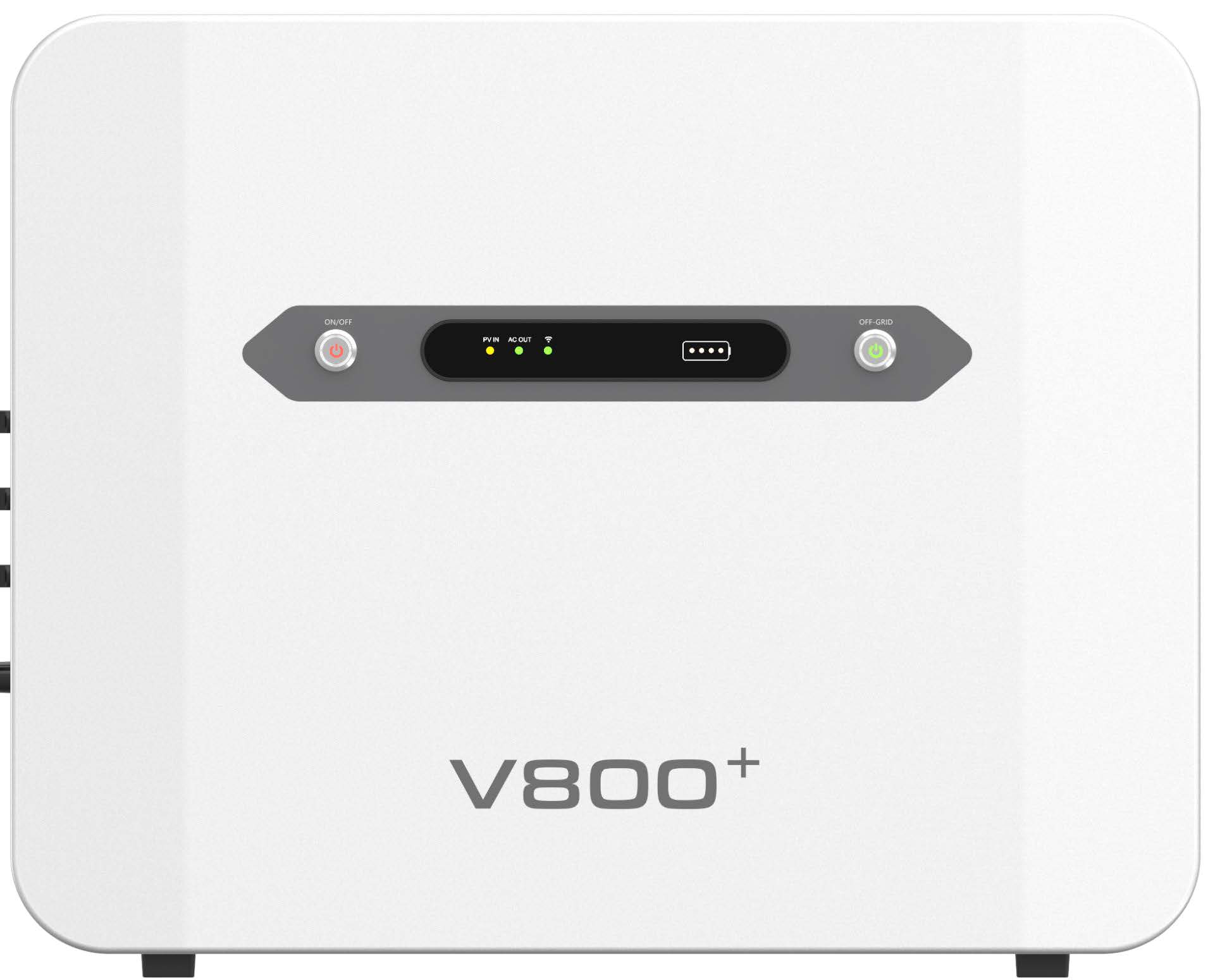
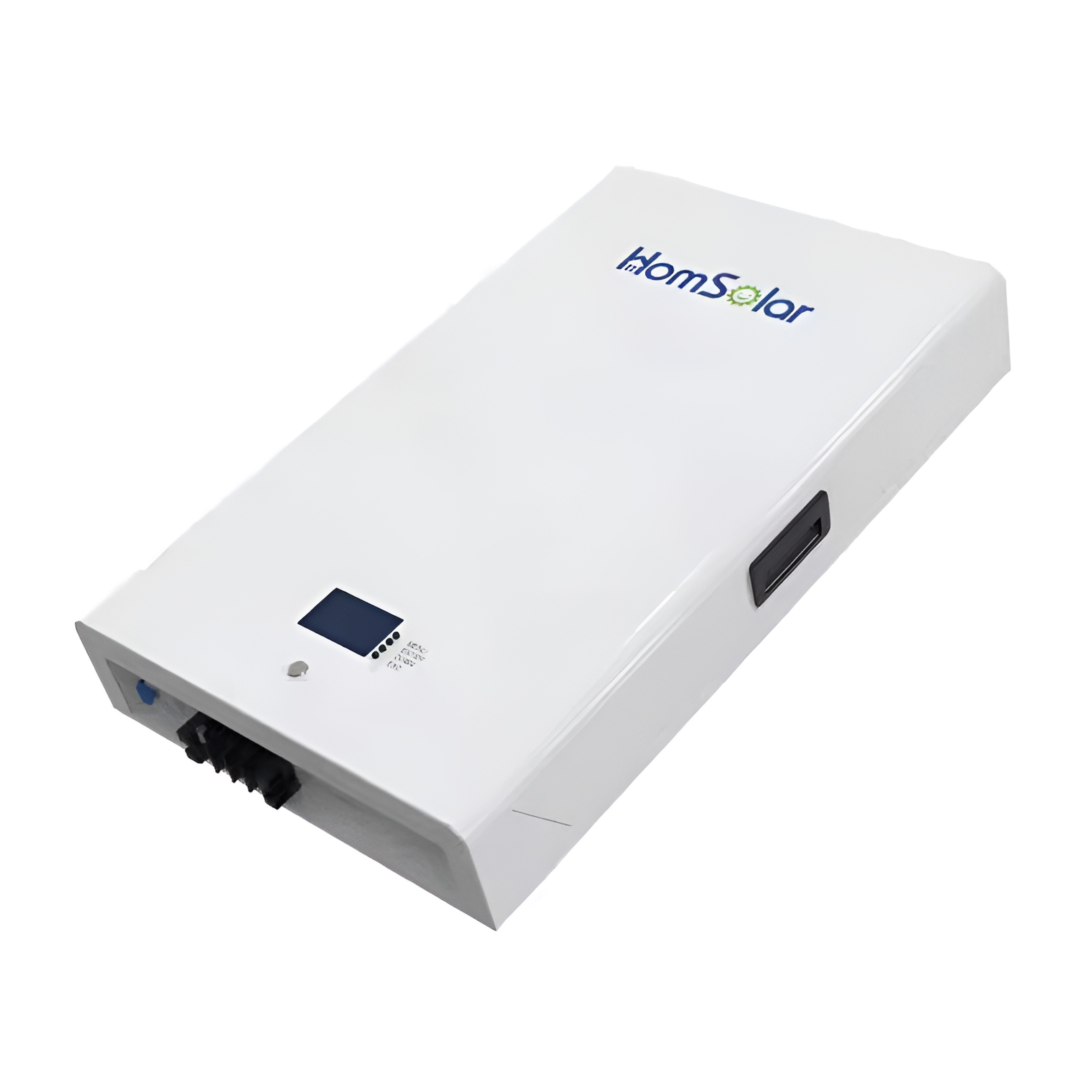
The primary function of a LiFePO4 battery is to provide a stable, reliable, and long-lasting source of DC power. Its applications are vast:Solar Energy Storage: Storing energy from solar panels for off-grid or backup power systems.Recreational Vehicles (RVs) and Boats: Serving as a deep-cycle "house battery" to power appliances, lighting, and electronics.Electric Vehicles (EVs): Particularly in commercial vehicles, golf carts, and e-bikes where safety and cycle life are paramount.Portable Power Stations: As the core component in modern, high-capacity power banks for camping and emergency backup.Uninterruptible Power Supplies (UPS): Providing critical backup power for sensitive electronics.
The Advantages: Where LiFePO4 Truly Excels
The benefits of LiFePO4 chemistry are profound and are the primary reason for its dedicated following.
1. Exceptional Cycle Life: This is arguably LiFePO4's crown jewel. Where a typical lead-acid battery may offer 300-500 full cycles, a quality LiFePO4 battery can deliver 3,000 to 5,000 cycles while still retaining 80% of its original capacity. For a daily cycling application, this translates to a lifespan of a decade or more, dramatically reducing long-term replacement costs.
2. Superior Safety Profile: Safety is a non-negotiable advantage. The phosphate-based cathode is intrinsically more stable than cobalt or nickel-based alternatives. It is highly resistant to thermal runaway, the dangerous chain reaction that can lead to fires or explosions in other lithium-ion batteries. LiFePO4 batteries can withstand higher temperatures, overcharging, and physical damage far better, providing immense peace of mind.
3. Stable Voltage Output: LiFePO4 batteries maintain a remarkably consistent voltage throughout most of their discharge cycle. This "flat discharge curve" means that connected devices receive near-peak power until the battery is almost completely depleted, unlike lead-acid batteries whose performance drops off steadily.
4. High Efficiency and Fast Charging: These batteries boast charge-discharge efficiencies often exceeding 95%, meaning very little energy is lost as heat. Furthermore, they can accept a much higher charge current, allowing them to be recharged significantly faster than their lead-acid counterparts, especially when paired with solar power.
The Disadvantages: The Inevitable Trade-Offs
No technology is perfect, and LiFePO4's strengths come with specific, and sometimes significant, compromises.
1. Lower Volumetric and Gravimetric Energy Density: This is the central trade-off. Compared to other leading lithium-ion chemistries like NMC or NCA, LiFePO4 has a lower energy density. In practical terms, a LiFePO4 battery will be larger and heavier for the same stored energy (watt-hours) as an NMC battery. This makes it less ideal for applications where every cubic inch and every ounce is critical, such as in high-performance electric cars or sleek consumer electronics like smartphones and laptops.
2. Higher Initial Cost: The upfront cost of a LiFePO4 battery is higher than that of a lead-acid battery and often higher than some NMC alternatives. While the total cost of ownership is lower due to its long life, the initial investment can be a barrier for budget-conscious consumers.
3. Performance in Sub-Zero Temperatures: While LiFePO4 handles heat well, it is sensitive to charging in freezing conditions. Charging a LiFePO4 battery below 0°C (32°F) can cause permanent, irreversible damage to the plates. Many modern batteries come with built-in Battery Management Systems (BMS) that disable charging in low temperatures, but this requires user awareness and potentially additional heating systems for use in harsh climates.
Real-World Usage Experience
Having used a 100Ah LiFePO4 battery in a solar-powered off-grid setup for over a year, the performance characteristics move from datasheets into tangible reality.
The most immediate observation is the consistent power. Running a 12V refrigerator, LED lights, and a water pump, the voltage remains rock-solid, ensuring the fridge compressor doesn't struggle as the battery drains. The peace of mind is unparalleled; the battery and inverter components become warm to the touch during heavy use, but there is none of the anxiety associated with the gassing or potential swelling of other battery types.
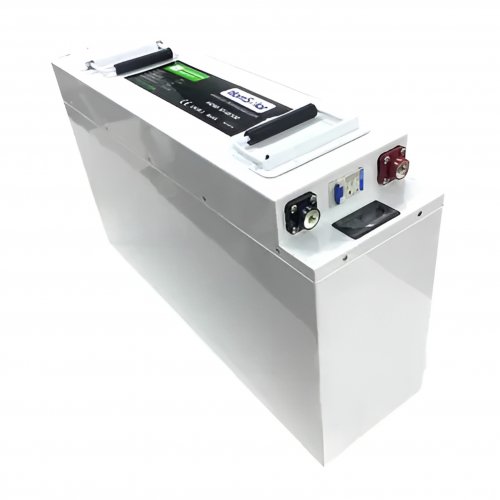
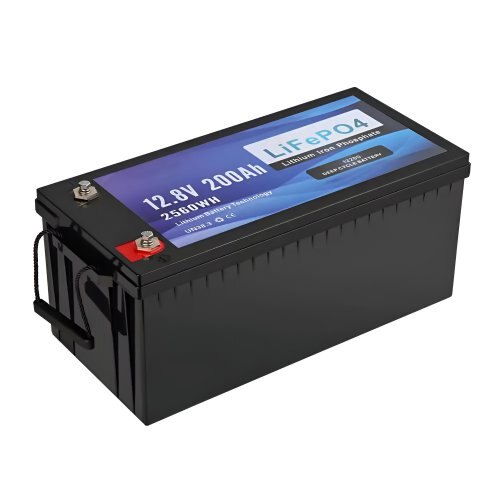
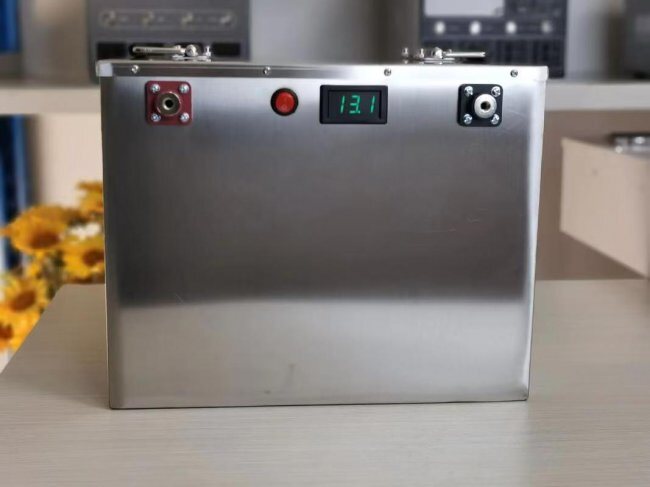
The weight and size, however, are noticeable. The 100Ah LiFePO4 unit is significantly lighter than an equivalent lead-acid battery, but it is still a substantial 25kg (55lbs) block. When planning the installation in a confined space, its physical footprint was a key consideration. For a mobile application like a van conversion, this weight and size are acceptable, but it clearly illustrates why a Tesla Model S, which prioritizes range, opts for higher-density NCA cells.
The charging speed from solar panels is a game-changer. On a sunny day, the battery can absorb the full output of the panels without the need to limit current aggressively, often reaching a full charge by early afternoon, whereas a lead-acid battery would still be trickling. The built-in BMS seamlessly handled a low-temperature event during a winter camping trip, cutting off charging and preserving the battery's health without any manual intervention.
Conclusion: An Objective Verdict
The LiFePO4 battery is not a one-size-fits-all solution. It is a specialist, engineered for applications where longevity, safety, and reliability are more critical than achieving the absolute smallest size or lightest weight.
Its energy density is its defining compromise. If your primary goal is to pack the maximum amount of energy into the smallest possible space—as in a long-range electric vehicle or a high-end drone—then other lithium-ion chemistries will be more appropriate. However, if your project involves a solar installation, a marine application, a backup power system, or any scenario where the battery is a long-term investment and safety is paramount, the lower energy density of LiFePO4 is a trade-off well worth making.
In conclusion, LiFePO4 technology represents a mature, robust, and profoundly reliable energy storage solution. It redefines the value proposition away from mere watt-hours per kilogram and towards decades of dependable, safe service. For the informed user who prioritizes these attributes, the LiFePO4 battery is, without exaggeration, a transformative product.
Product Catalogs