Lifepo4 Long-term Reliability Review: Unmatched Cycle Life And Safety In Energy Storage
The quest for a dependable, long-lasting battery technology often leads power users, from solar enthusiasts to RV owners, to a single chemistry: Lithium Iron Phosphate, or LiFePO4. Promising thousands of cycles and unparalleled safety, these batteries have moved from niche applications to mainstream energy storage. This review delves into the long-term reliability of LiFePO4 batteries, moving beyond initial specifications to assess their real-world performance, durability, and overall value over an extended period.
Product Functionality and Core Features
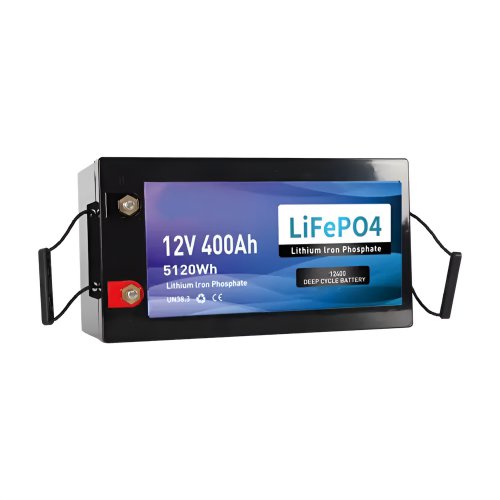
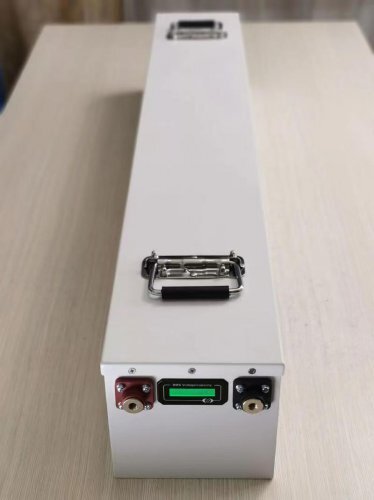
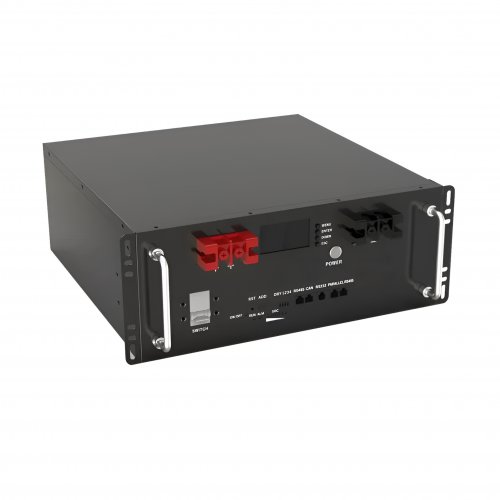
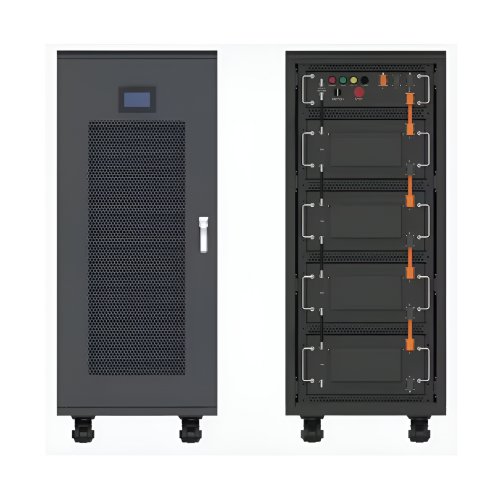
At its heart, a LiFePO4 battery is a type of lithium-ion battery, but its cathode material—Lithium Iron Phosphate—is what sets it apart. This fundamental difference dictates its core functionality and long-term benefits.Robust Energy Storage: The primary function is to store electrical energy with high efficiency, typically exhibiting a round-trip efficiency of 95-98%. This means very little energy is lost as heat during charge and discharge cycles.Deep Cycling Capability: Unlike starter batteries, LiFePO4 batteries are designed for deep cycle applications. They can routinely be discharged to 80-90% of their capacity (Depth of Discharge - DoD) without incurring significant damage, which is crucial for daily solar or off-grid use.Stable Voltage Output: They provide a remarkably stable voltage throughout most of the discharge cycle. This "flat voltage curve" ensures that connected devices receive consistent power until the battery is nearly depleted.Built-in Battery Management System (BMS): A critical component for longevity, the BMS protects the battery from common threats to its lifespan, including over-charging, over-discharging, short circuits, and extreme temperatures. It also ensures cell balancing, which is vital for maintaining health across the battery's entire service life.
The Advantages: The Pillars of Long-Term Reliability
The long-term appeal of LiFePO4 is built upon several distinct advantages that directly contribute to its reliability.
1. Exceptional Cycle Life: This is the cornerstone of its value proposition. Where lead-acid batteries may offer 300-500 deep cycles, quality LiFePO4 batteries are rated for 3,000 to 7,000 cycles to 80% DoD while still retaining 80% of their original capacity. In practical terms, this translates to a service life of 10 years or more, even with daily use. 2. Superior Safety Profile: The LiFePO4 chemistry is inherently more stable than other lithium-ion variants (like NMC or LCO). It has a much higher thermal runaway threshold, meaning it is highly resistant to catching fire or exploding even under stressful conditions like overcharging or physical damage. This intrinsic safety is a non-negotiable feature for long-term installations in homes or vehicles. 3. Minimal Degradation: These batteries suffer from very low levels of self-discharge and can maintain their capacity remarkably well over time. They are not prone to the "memory effect" that plagues some other chemistries, meaning partial charges and discharges do not permanently reduce their usable capacity. 4. Maintenance-Free Operation: Unlike flooded lead-acid batteries, LiFePO4 requires no periodic watering, equalization charges, or specific mounting orientation. This "set and forget" nature reduces the long-term operational burden and the risk of failure due to user neglect.
The Disadvantages: Acknowledging the Trade-Offs
For a balanced review, it is essential to acknowledge where LiFePO4 technology makes compromises.
1. Higher Initial Cost: The most significant barrier to entry is the upfront cost. A LiFePO4 battery can be two to three times more expensive than a lead-acid battery of similar capacity. However, this must be evaluated against its vastly longer lifespan, making it often cheaper in the long run (lower cost per cycle). 2. Lower Energy Density: While superior to lead-acid, LiFePO4 has a lower volumetric and gravimetric energy density compared to other lithium-ion chemistries like NMC. This means that for a given physical size and weight, it will store less energy. For applications where space and weight are the absolute priority (e.g., high-performance EVs), this can be a drawback. 3. Performance in Extreme Cold: While LiFePO4 handles heat well, its ability toaccept a chargediminishes significantly below freezing (0°C / 32°F). Charging a cold battery can cause permanent damage. Many modern batteries come with built-in low-temperature charge disconnect, but some may require an external heating system for reliable operation in harsh winter climates. 4. Complex State-of-Charge Monitoring: The flat voltage curve, while excellent for device performance, makes estimating the State of Charge (SoC) using simple voltage measurements highly inaccurate. Reliable SoC tracking requires a coulomb counter or a battery monitor that measures current in and out.
Long-Term User Experience and Real-World Performance
After years of use in various applications, the theoretical advantages of LiFePO4 largely hold up in practice.
In a solar power setup, the ability to deeply discharge the battery daily without worry is transformative. Users report consistent performance year after year, with no noticeable drop in runtime or power delivery. The maintenance-free aspect is repeatedly praised; the absence of regular maintenance checks is a significant quality-of-life improvement over lead-acid systems.
For RV and marine users, the weight savings and consistent voltage are key benefits. Appliances, particularly induction cooktops and air conditioners, run more efficiently. Furthermore, the ability to use nearly the full rated capacity, as opposed to only 50% with lead-acid, effectively doubles the usable energy storage in the same physical footprint.
The most consistent long-term feedback relates to the "peace of mind" derived from the safety and stability of the chemistry. Knowing the battery bank is not off-gassing hydrogen or requiring constant vigilance reduces stress significantly.
However, the initial setup is critical for achieving this promised longevity. Users who pair their LiFePO4 battery with an inappropriate charger or ignore the BMS's low-temperature warnings can experience premature failure. The technology is reliable, but it is not immune to user error or poor system design.
Conclusion
The long-term reliability of LiFePO4 batteries is not merely a marketing claim but a demonstrable reality rooted in a robust and safe electrochemical structure. While the high initial investment is a genuine consideration, it is amortized over a lifespan that is an order of magnitude longer than traditional alternatives. The disadvantages, primarily related to cold-weather charging and energy density, are specific to application needs and are often manageable with proper system integration.
For anyone prioritizing a "install and forget" energy storage solution that will deliver consistent, safe power for a decade or more, LiFePO4 presents a compelling and objectively superior choice. Its value proposition is strongest in use cases that leverage its deep-cycle capability and long service life, making it a cornerstone of modern, reliable off-grid and backup power systems.
Product Catalogs