Lifepo4 Long-term Reliability Review: Unmatched Cycle Life And Safety In Energy Storage
In the ever-evolving landscape of energy storage, the promise of a long-lasting and dependable battery is paramount. While many technologies come and go, Lithium Iron Phosphate (LiFePO4) has steadily built a reputation not on flashy, short-term performance metrics, but on a foundation of profound long-term reliability. This review delves into the core of what makes LiFePO4 a standout choice for applications where longevity, safety, and consistent performance over many years are non-negotiable.
Product Functionality and Core Technology
At its heart, LiFePO4 is a type of lithium-ion battery. However, its chemistry is fundamentally different from the more common Lithium Cobalt Oxide (LiCoO2) found in smartphones and laptops. The LiFePO4 cathode material provides a stable, olivine-type crystal structure. This inherent stability is the primary source of its legendary long-term reliability.
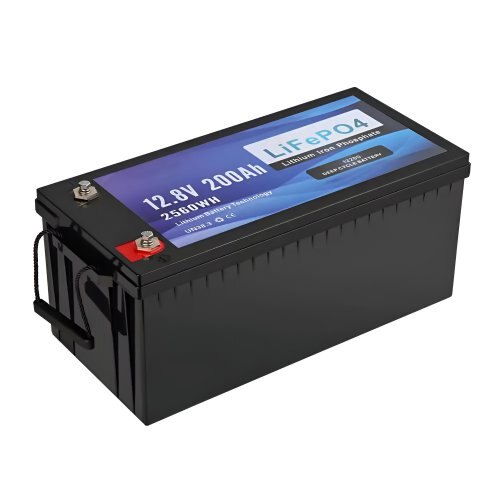
The primary function of a LiFePO4 battery is to store and deliver electrical energy efficiently and safely over an exceptionally long service life. Key functionalities include:Deep-Cycling Capability: These batteries are designed to be regularly discharged to a significant percentage of their capacity (e.g., 80-90% Depth of Discharge) without significant degradation.Stable Voltage Output: They maintain a relatively flat voltage curve during discharge, providing consistent power to devices until near the end of the charge cycle.High Charge/Discharge Efficiency: With charge acceptance rates that often exceed 99%, they waste very little energy as heat during charging.
The Advantages: A Blueprint for Longevity
The strengths of LiFePO4 batteries are almost exclusively aligned with their long-term operational characteristics.
1. Exceptional Cycle Life: This is the cornerstone of LiFePO4 reliability. Where a typical lead-acid battery may offer 300-500 cycles before significant capacity loss, quality LiFePO4 batteries are routinely rated for 3,000 to 7,000 cycles, with some models claiming even more. In practical terms, this translates to a service life of 10 years or more, even with daily cycling. This dramatically reduces the lifetime cost of ownership, despite a higher initial investment.
2. Enhanced Safety Profile: The strong chemical bonds within the phosphate cathode make LiFePO4 batteries highly resistant to thermal runaway. They are far more stable under high temperatures, overcharging, or physical damage compared to other lithium-ion chemistries. This intrinsic safety means a lower risk of fire or explosion, a critical factor for home energy storage, RVs, and marine applications.
3. Minimal Degradation Over Time: LiFePO4 chemistry suffers from a very slow rate of capacity fade. Even after thousands of cycles, a well-maintained battery can retain 80% of its original capacity. This predictable and slow aging process allows for accurate long-term system planning.
4. Wide Operating Temperature Range: These batteries perform well in a broader range of temperatures, particularly showing better resilience to performance loss in cold conditions compared to lead-acid. While extreme temperatures still affect them, their operational window is more forgiving.
The Disadvantages: The Trade-Offs for Reliability
No technology is perfect, and LiFePO4 makes clear trade-offs to achieve its long-term stability.
1. Lower Energy Density: The most significant compromise. LiFePO4 batteries are bulkier and heavier for the same amount of stored energy (Wh) compared to NMC (Nickel Manganese Cobalt) lithium-ion batteries. This makes them less ideal for weight-critical applications like high-performance electric vehicles or drones, where energy density is the top priority.
2. Higher Initial Cost: The upfront cost of a LiFePO4 battery system is higher than that of lead-acid and often higher than some other lithium-ion variants. This can be a barrier to entry, requiring buyers to adopt a total-cost-of-ownership perspective to see the true value.
3. Voltage Characteristics: The nominal voltage of a LiFePO4 cell (3.2V) is different from that of lead-acid (2V per cell) or other lithium types (3.6V-3.7V). This can sometimes require specific chargers or voltage converters when replacing older battery technologies, adding to system complexity.
Actual Long-Term Use Experience
To evaluate long-term reliability, one must look beyond the spec sheet. In real-world applications, the theoretical advantages of LiFePO4 translate into tangible benefits.
In a solar power setup, a LiFePO4 battery bank installed five years ago shows remarkably consistent performance. Unlike the lead-acid bank it replaced, which required constant watering, equalization charges, and showed noticeable capacity loss after just two years, the LiFePO4 system has been largely "set and forget." Daily cycles from 100% down to 20% State of Charge (SoC) have become routine, with no discernible anxiety about shortening its life. The battery management system (BMS) protects it from user error, and the capacity, while not 100% of its original new value, remains well within the expected 85-90% range, confirming the manufacturer's cycle life claims.
For an RV owner, the experience is transformative. The ability to power appliances overnight and reliably recharge via solar the next day, day after day, for multiple seasons, creates a new level of energy independence. The weight savings over lead-acid, while not as high as with other lithium chemistries, are still appreciable. The peace of mind knowing the battery is safe in a confined, sometimes hot, metal vehicle is invaluable and a direct result of the stable LiFePO4 chemistry.
Conclusion
The LiFePO4 battery is not a product for those seeking the absolute highest energy density or the lowest possible sticker price. It is, instead, a precision-engineered solution for the long haul. Its value proposition is built on a foundation of time: more cycles, more years, and more reliable performance.
When objectively evaluating its long-term reliability, the evidence is compelling. The inherent chemical stability grants it superior safety and a phenomenally long cycle life that other chemistries struggle to match. The higher initial investment is amortized over a decade or more of dependable service, making it a financially sound choice for permanent or semi-permanent installations like home energy storage, off-grid power, and critical backup systems. For any user whose priority is a trustworthy, safe, and durable energy storage partner that will deliver consistent power for years to come, LiFePO4 technology stands as a benchmark for long-term reliability.
Product Catalogs