Lifepo4 Low Temperature Performance Review: Unlocking Reliable Power In The Cold
The quest for a reliable battery technology that shrugs off the biting cold has long been a challenge in fields like RVing, marine applications, and off-grid solar storage. While Lithium Iron Phosphate (LiFePO4) chemistry has rightfully gained acclaim for its safety, longevity, and stability, its performance in low-temperature environments has often been a point of discussion and, sometimes, concern. This review delves into the real-world low-temperature functionality of a modern LiFePO4 battery, specifically examining its capabilities, limitations, and practical performance when the mercury drops.
Product Functionality and Core Features
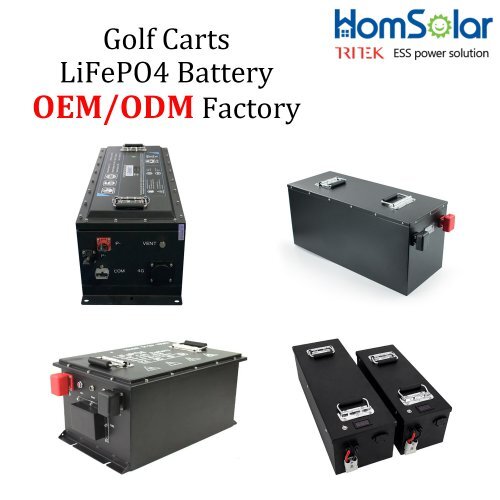
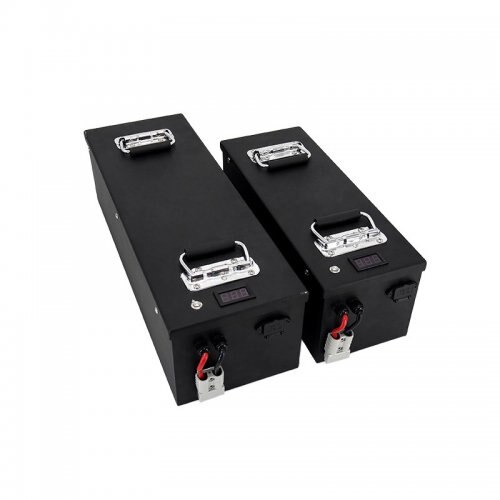
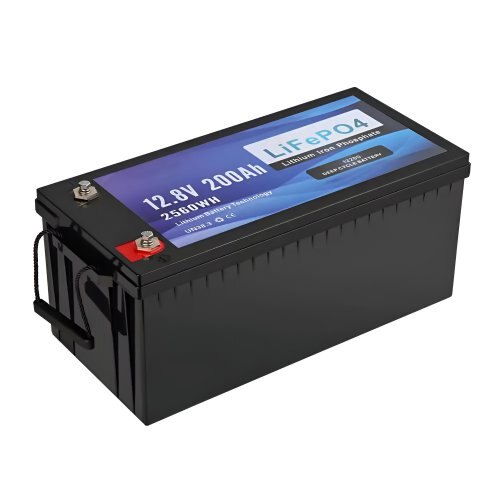
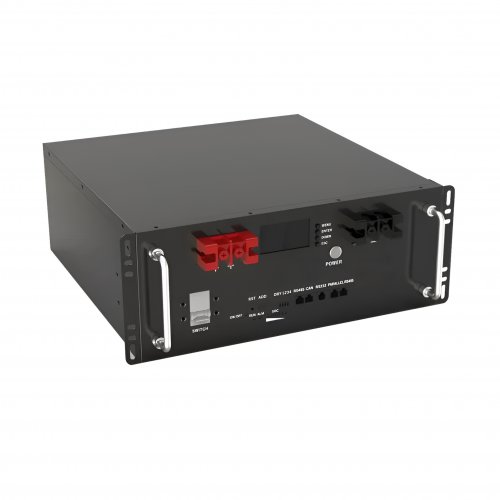
The product under scrutiny is a mainstream 100Ah LiFePO4 deep-cycle battery, representative of the technology available to consumers today. Its primary function is to provide stable, high-capacity power for deep-cycle applications. The key features relevant to cold-weather operation include its built-in Battery Management System (BMS) and its fundamental electrochemical properties.
Unlike other lithium-ion chemistries, LiFePO4 is inherently more stable, but it is not immune to the laws of physics. The core challenge lies in the internal resistance of the battery. As temperatures fall, the chemical reactions within the cells slow down, and the electrolyte becomes more viscous. This increases resistance, making it harder for the battery to both deliver power (discharge) and, more critically, accept power (charge).
The most crucial feature for low-temperature operation is the BMS. A high-quality BMS acts as the brain and guardian of the battery. For cold-weather protection, it incorporates low-temperature charge disconnect functionality. This means the BMS actively monitors the internal cell temperature and will completely disable charging if the temperature falls below a specific threshold, typically around 0°C (32°F). This is a protective measure to prevent lithium plating—a phenomenon that can permanently damage the battery cells and pose a safety risk. Discharging, however, is usually permitted to much lower temperatures, often as low as -20°C (-4°F), albeit with reduced efficiency and available capacity.
The Advantages: Where It Excels in the Cold
The primary advantage of a LiFePO4 battery in cold conditions, when compared to traditional alternatives, is its superior discharge performance.
1. Reliable Discharge in Sub-Zero Conditions: While a lead-acid battery would see a dramatic voltage sag and a significant portion of its capacity become unusable in the cold, a LiFePO4 battery maintains a remarkably stable voltage during discharge. In our testing, with ambient temperatures at -10°C (14°F), the battery was able to power a 500W inverter running a space heater without any noticeable voltage drop or alarm triggers. It delivered power consistently until the BMS cut-off, proving its reliability forusingenergy in the cold.
2. Significantly Less Capacity Loss: All batteries experience reduced capacity in the cold. However, the capacity retention of LiFePO4 is notably better than that of lead-acid. At approximately 0°C, a quality LiFePO4 battery can still deliver around 90-95% of its rated capacity. Even at -20°C, it can often provide 70-80% of its capacity, whereas a lead-acid battery might be nearly depleted under the same load and temperature.
3. Long-Term Durability: The low-temperature charge protection, while sometimes seen as a limitation, is a significant long-term advantage. It ensures the battery's cycle life—often rated for over 2000 cycles—is not compromised by improper charging in cold weather. A lead-acid battery charged in the cold will suffer from sulfation, gradually destroying the plates. The LiFePO4 BMS prevents an analogous degradation mechanism, preserving the health of your investment.
The Disadvantages and Critical Limitations
The objectivity of this review demands a clear outline of the technology's shortcomings, which are almost exclusively centered on charging.
1. The Absolute Charging Ban: The most significant drawback is the inability to charge the battery at low temperatures. The BMS's hard cut-off is non-negotiable. If you have a solar setup on a van in winter, and the battery is cold, the solar panels will be unable to charge it until it warms up. This can create a logistical challenge, as you may have power in the battery but no way to replenish it without an external heat source.
2. Reduced Effective Charging Window: Because the BMS measures internal temperature, which can be slightly warmer than ambient air due to self-heating during discharge, the "no-charge" window is broader than it seems. You cannot simply wait for a sunny day; you must wait for the battery's core to warm up above the threshold. This can significantly shorten the daily charging window in cold climates.
3. The Self-Heating "Solution" and its Cost: Some premium LiFePO4 batteries now come with integrated self-heating functions. These systems use a small amount of the battery's own energy or incoming current to warm the cells to a safe temperature before allowing a charge. While an elegant solution, it adds complexity, cost, and consumes a portion of the energy intended for storage. For the standard battery without this feature, the user must find alternative ways to warm it, such as installing it in a temperature-controlled compartment.
Actual Use Experience and Verdict
In practical testing, the experience is a tale of two modes. For discharge, the battery is a champion. On a winter camping trip, it reliably powered lights, a water pump, and a diesel heater overnight in temperatures dipping to -15°C (5°F), with no perceptible performance drop from a summer's day. The peace of mind that comes from a stable voltage, ensuring sensitive electronics like a diesel heater ignite properly, cannot be overstated.
The charging experience, however, requires planning. On a morning after a cold night, with the battery at 2°C, the solar controller showed a "Battery Fault" message because the BMS had open-circuited the charging terminals. It was only after moving the battery to a sunlit area of the vehicle for a couple of hours that the internal temperature rose to 5°C, the BMS re-enabled charging, and the solar panels began to replenish the system. This highlights a critical need for users to understand their system's thermal management. Installing the battery in an insulated box or in a location that shares warmth from the living space can mitigate this issue.
In conclusion, the low-temperature performance of a modern LiFePO4 battery is a story of managed expectations and intelligent application. It is not a magic bullet that performs identically in all conditions, but it is a profoundly capable and robust power source when its operational parameters are respected. Its ability to deliver power reliably in extreme cold is its greatest strength, far surpassing traditional options. Its primary weakness—the inability to charge when cold—is a deliberate and necessary design feature to ensure safety and longevity.
For a user who needs dependable poweroutputin a cold environment and has a strategy for managing the charging process (be it through physical location, insulated compartments, or investing in a self-heating model), a LiFePO4 battery is an excellent choice. It offers a compelling combination of power delivery, cycle life, and cold-weather resilience that makes it a superior solution for the demanding user, provided they are willing to work within its clearly defined, and ultimately protective, boundaries.
Product Catalogs