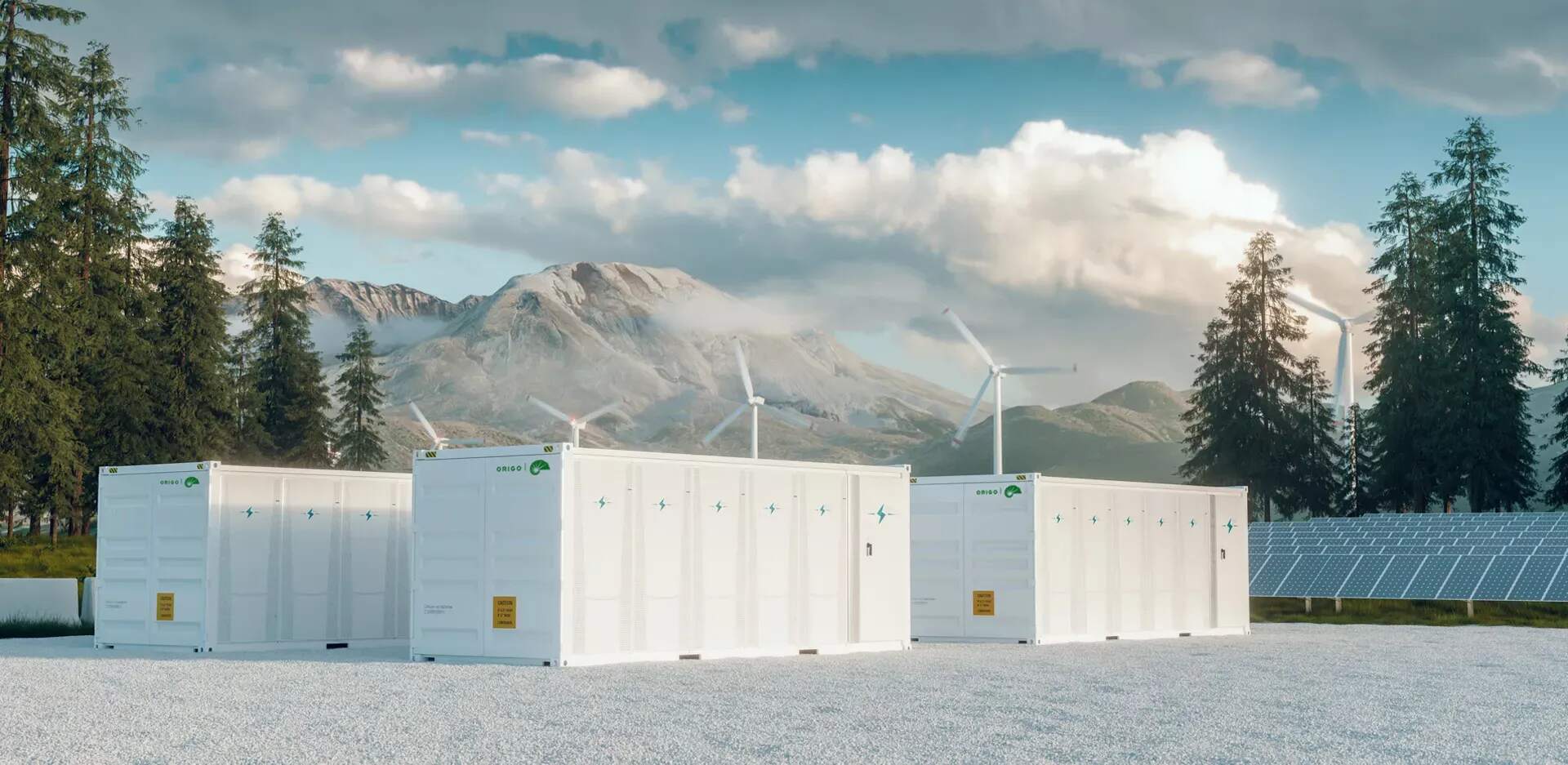
Lifepo4 Performance Evaluation Review: Uncompromising Safety And Longevity In Energy Storage
The quest for reliable, safe, and long-lasting battery technology has become paramount in our increasingly electrified world, powering everything from recreational vehicles and solar setups to critical backup systems. Among the various chemistries available, Lithium Iron Phosphate (LiFePO4) has emerged as a formidable contender, often positioned as a superior alternative to traditional lead-acid and other lithium-ion variants. This performance evaluation delves into the real-world functionality, advantages, drawbacks, and practical application of a typical LiFePO4 battery, providing a clear-eyed assessment of its value proposition.
Product Functionality and Core Features
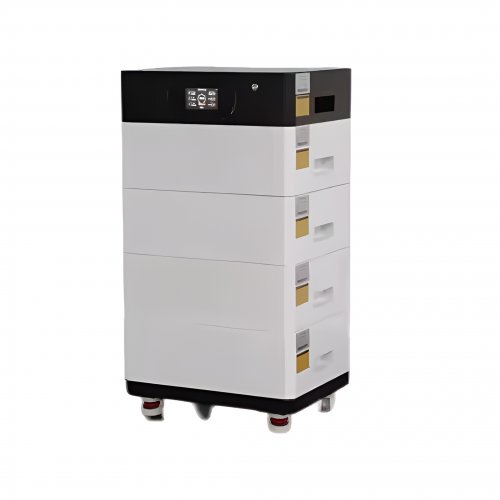
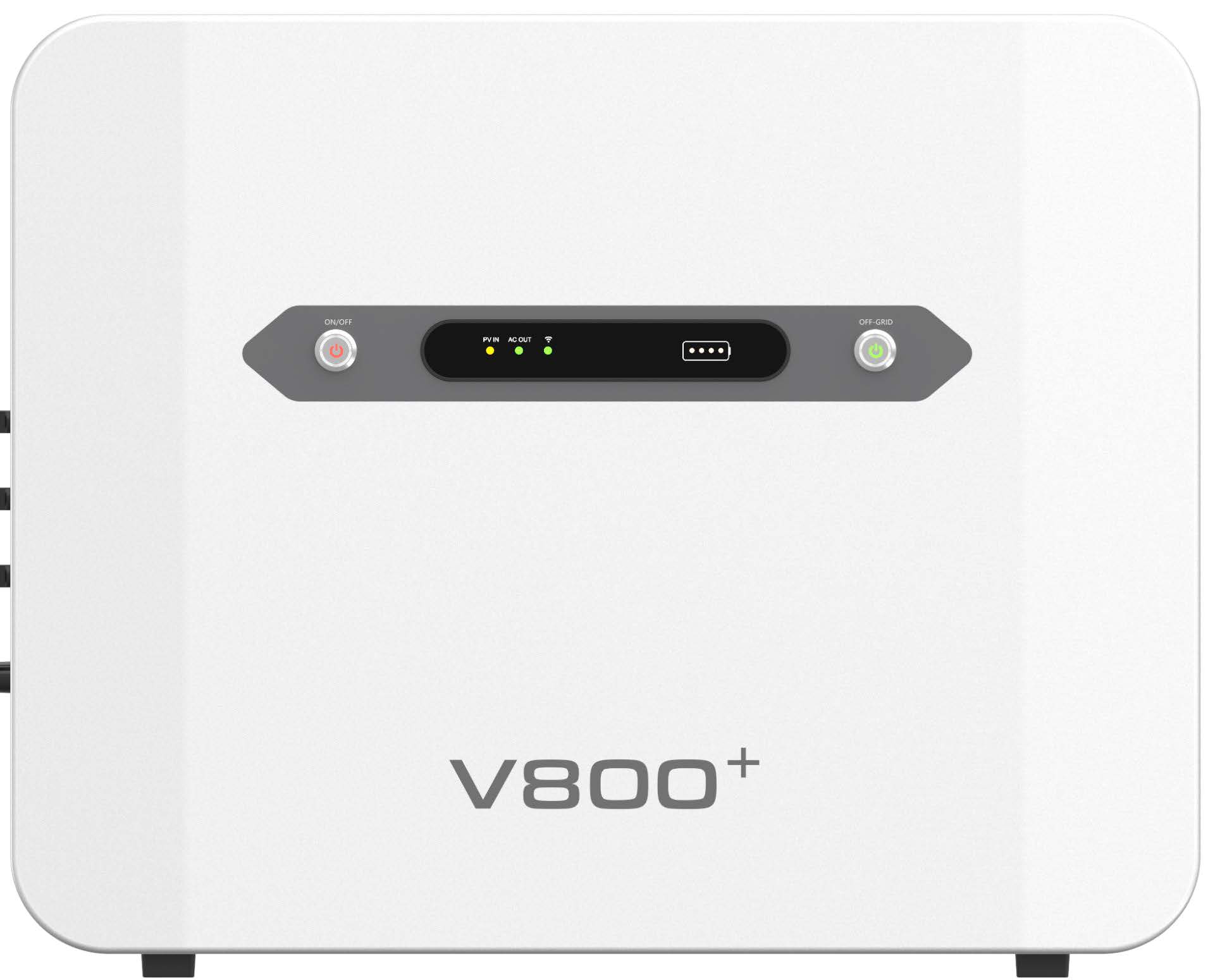
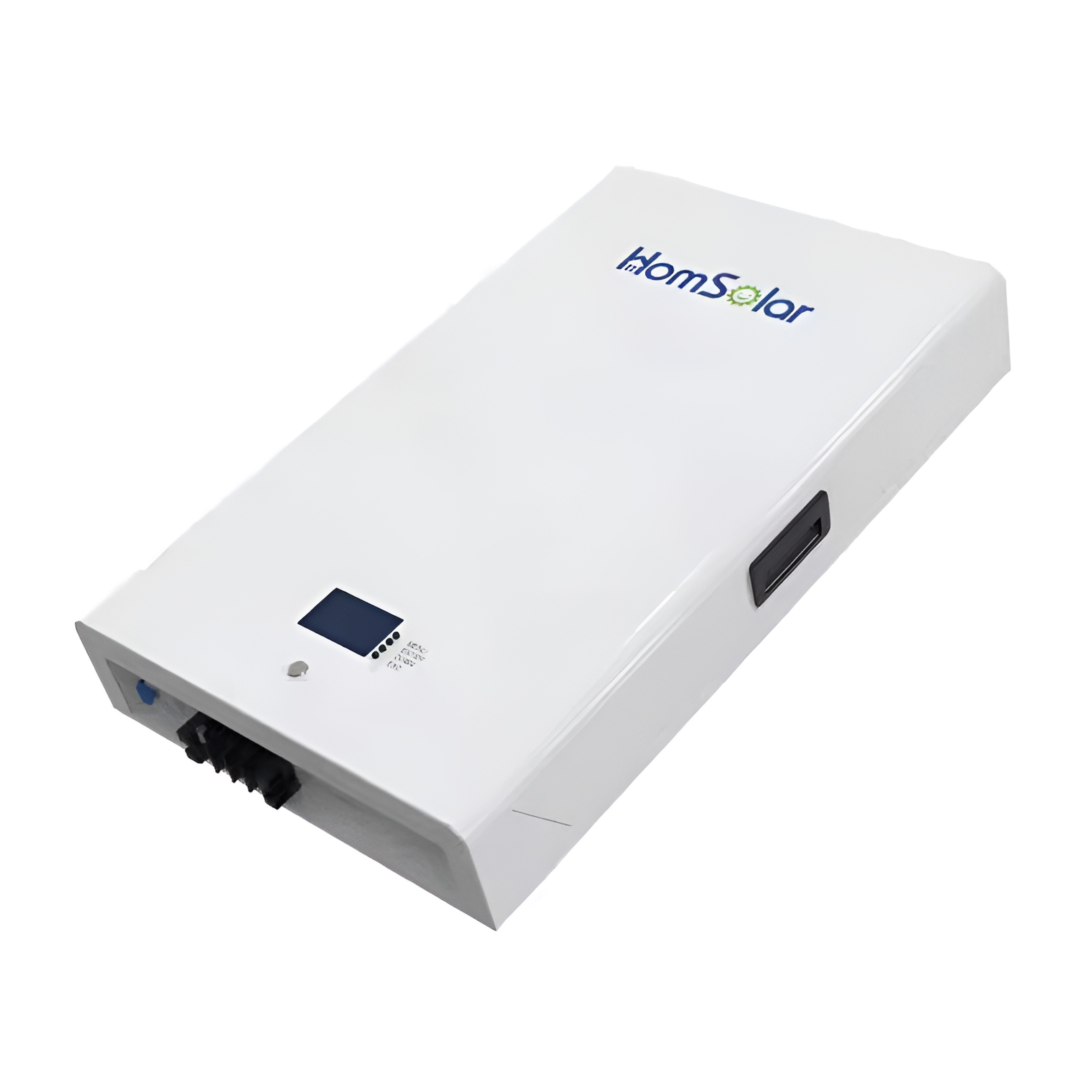
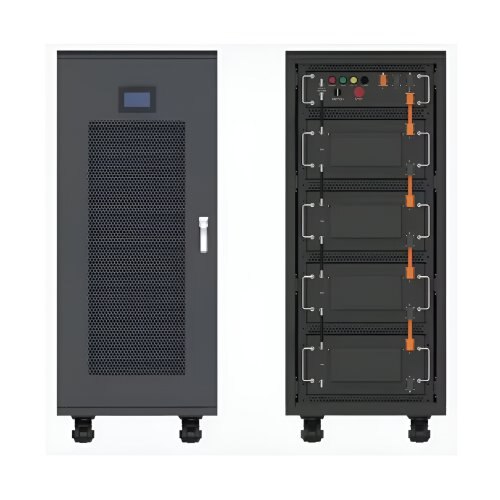
At its heart, a LiFePO4 battery is a type of lithium-ion battery that uses lithium iron phosphate as the cathode material. This specific chemistry dictates its core characteristics. A standard LiFePO4 battery pack is not a single cell but a system comprising the cells themselves, an integrated Battery Management System (BMS), and robust housing.
The primary function is energy storage and delivery. However, the LiFePO4 system is engineered to perform this task with exceptional consistency and control. The BMS is the brain of the operation, continuously monitoring and managing key parameters such as voltage, current, and temperature. It provides critical protections against over-charging, over-discharging, short circuits, and extreme temperatures, ensuring the battery operates within its safe window. Furthermore, these batteries are designed to be maintenance-free, requiring no periodic watering or equalization charges, unlike their lead-acid counterparts.
Key performance features include a stable discharge voltage, meaning tools and appliances run at their optimal power until the battery is nearly depleted, unlike the declining voltage curve of lead-acid batteries which leads to dimming lights and slowing motors. They also boast high charge efficiency, typically accepting a full charge in a fraction of the time it takes to charge a lead-acid battery.
The Advantages: Where LiFePO4 Truly Excels
The benefits of LiFePO4 chemistry are significant and form the core of its growing popularity.
1. Exceptional Cycle Life: This is arguably the most compelling advantage. A quality LiFePO4 battery can endure between 3,000 to 5,000 full charge-discharge cycles while still retaining 80% of its original capacity. In practical terms, this translates to a lifespan of 10 years or more, dramatically outperforming the 300-500 cycles typical of lead-acid batteries. 2. Enhanced Safety Profile: The phosphate-based cathode material is inherently more stable than the cobalt-oxide cathodes used in other lithium-ion batteries (like NMC). This makes LiFePO4 batteries highly resistant to thermal runaway, a chain reaction that can lead to fire or explosion. They are far more tolerant to harsh conditions like overcharging or physical damage, making them a safer choice for home energy storage and mobile applications. 3. High Efficiency and Performance: These batteries exhibit very low internal resistance. This results in minimal energy loss during charge and discharge, high charge acceptance rates (often charging to 100% in under two hours), and the ability to deliver high burst currents for power-hungry devices like inverters without significant voltage sag. 4. Lightweight and Maintenance-Free: LiFePO4 batteries are approximately one-third the weight of a comparable lead-acid battery with the same capacity (Ah). This weight saving is critical for RVs, marine applications, and portable power stations. The complete lack of required maintenance is a significant convenience factor.
The Disadvantages: Considerations Before Purchase
Despite its impressive strengths, LiFePO4 technology is not without its limitations, which must be weighed against the application's needs.
1. Higher Initial Cost: The most significant barrier to adoption is the upfront cost. A LiFePO4 battery can be two to three times more expensive than a similarly rated lead-acid battery. While the total cost of ownership is often lower due to its long life, the initial investment can be prohibitive for some budgets. 2. Lower Energy Density: While lighter than lead-acid, LiFePO4 has a lower volumetric energy density than other lithium-ion chemistries like NMC. This means that for a given physical space, an NMC battery might store more energy. For most stationary and vehicular applications, this is a minor trade-off for the gain in safety and cycle life. 3. Performance in Sub-Zero Temperatures: LiFePO4 batteries cannot be charged at temperatures below 0°C (32°F). Charging in freezing conditions can cause permanent, irreversible damage to the cells. While the BMS typically includes low-temperature charge cut-off protection, this is a critical operational constraint for users in cold climates, requiring battery heaters or insulated compartments. 4. Complex State-of-Charge Monitoring: While the voltage curve is flat, this very characteristic makes estimating the state of charge using voltage alone imprecise. An integrated battery monitor that uses a shunt to track amp-hours in and out is highly recommended for accurate readings, adding to the system's complexity and cost.
Actual Use Case and Practical Experience
In a real-world scenario, such as powering a camper van's electrical system, the LiFePO4 battery's advantages become vividly clear. The experience begins with the installation; the lightweight nature of the battery makes mounting it a simple one-person job. Once integrated with a solar charge controller and inverter, the performance is immediately noticeable.
Appliances like an induction cooktop or an electric kettle, which would cause significant voltage drop and strain on a lead-acid battery, run at full power until the BMS initiates a low-voltage shutdown. The charging experience is equally transformative. A solar array that would take a full day to recharge AGM batteries can bring the LiFePO4 bank from 20% to 100% in just a few hours of good sunlight, maximizing the use of available solar energy.
The peace of mind is another intangible benefit. The absence of gassing, the lack of need to check fluid levels, and the knowledge that the battery is inherently safe and protected by its BMS allow the user to focus on their activities rather than battery management. Over a year of use, the capacity remains consistent, with no noticeable degradation in performance, living up to its promise of longevity.
Conclusion
The LiFePO4 battery presents a compelling paradigm shift in energy storage. It is a product whose value is not measured merely in ampere-hours but in long-term reliability, operational safety, and user convenience. Its higher initial cost is a strategic investment amortized over thousands of cycles and years of trouble-free service. While considerations regarding cold-weather charging and the need for accurate monitoring are important, they are often manageable constraints.
For applications where safety is non-negotiable, total cost of ownership is a key metric, and long-term reliability is paramount—such as in off-grid solar systems, recreational vehicles, marine use, and home backup power—the LiFePO4 battery is an objectively superior choice. It successfully delivers on its core promises, making it a mature and highly recommended technology for the discerning energy user.
Product Catalogs