Lithium Iron Phosphate Battery Test Review: Unmatched Safety And Longevity
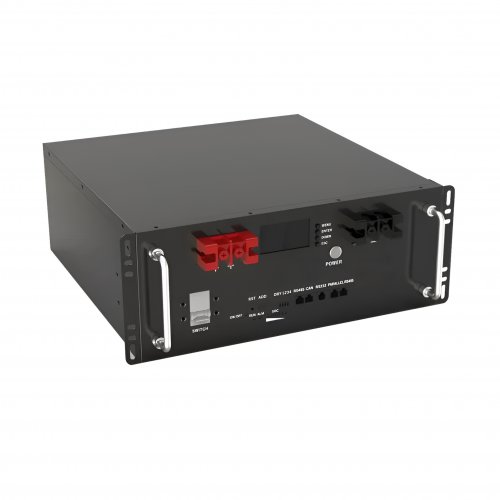
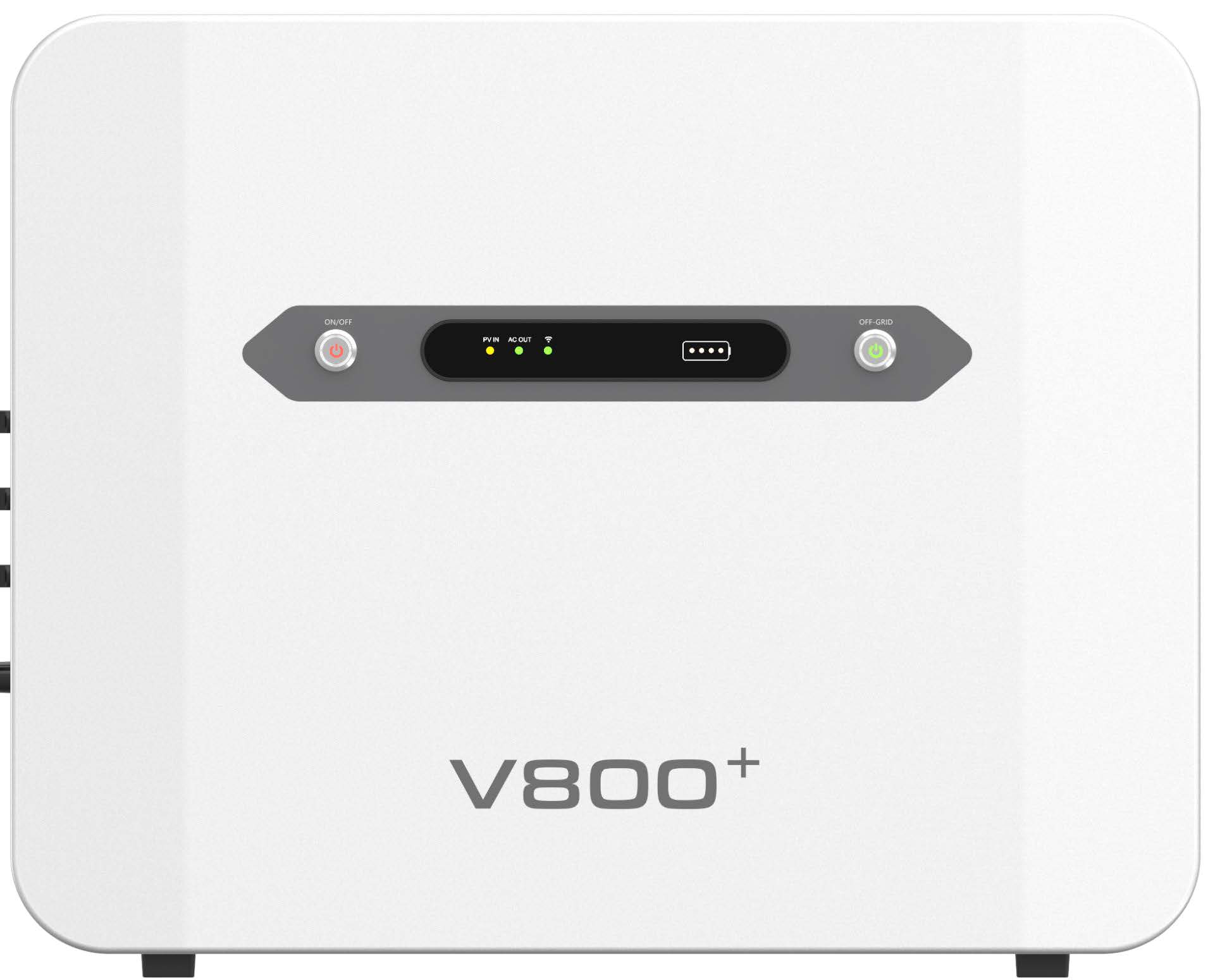
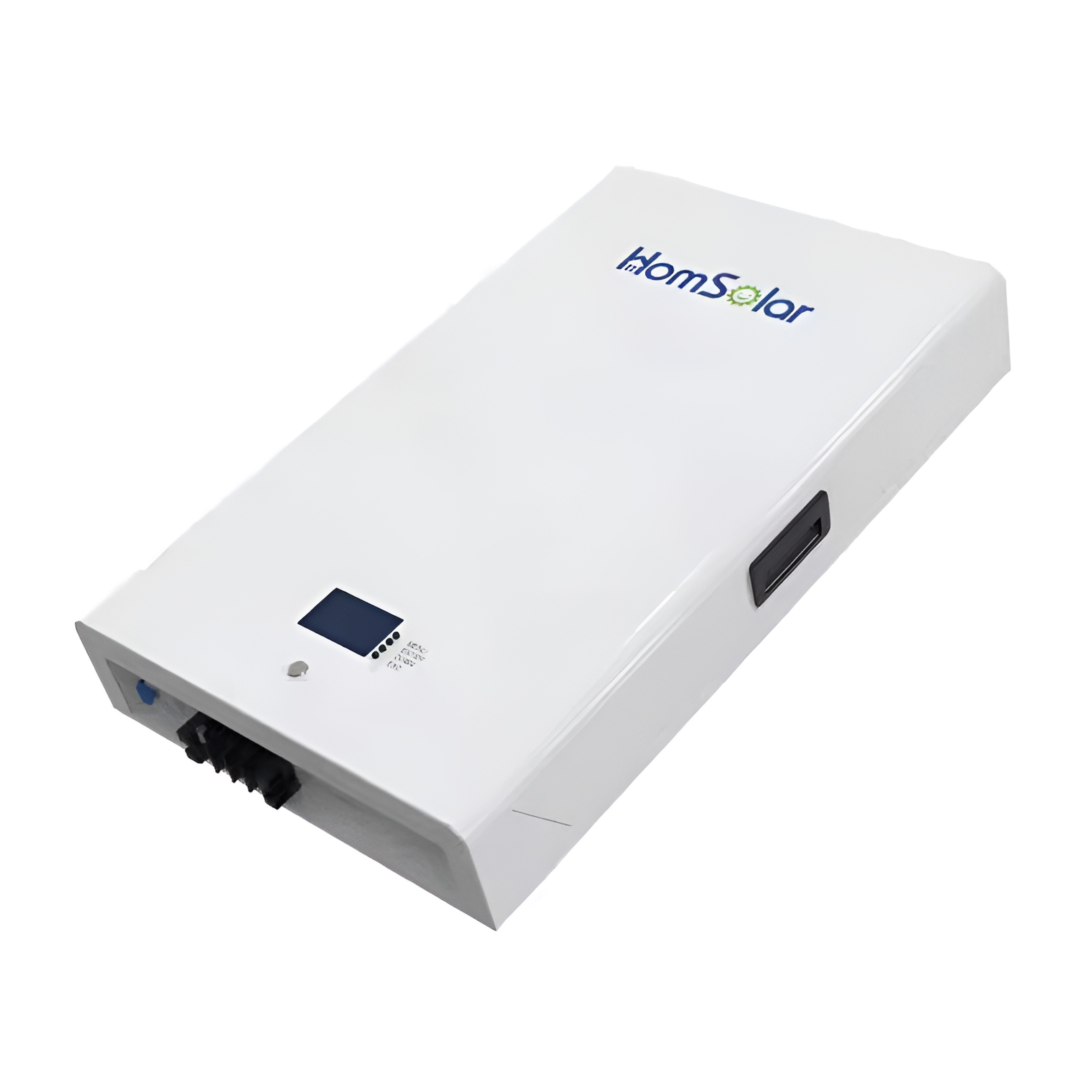
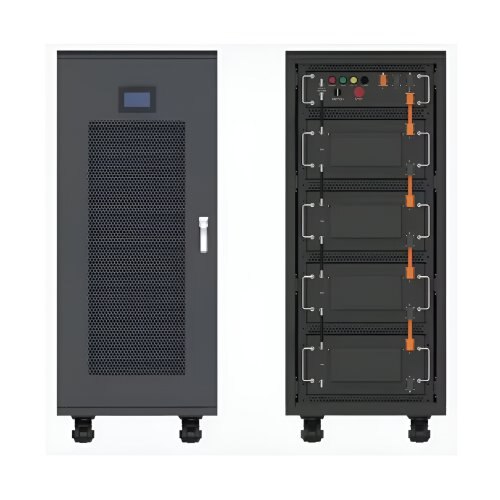
The quest for reliable, safe, and long-lasting energy storage has led to the widespread adoption of Lithium Iron Phosphate (LiFePO4 or LFP) chemistry. Moving beyond the traditional lithium-ion compositions found in everyday electronics, LiFePO4 batteries have carved a significant niche in applications ranging from solar power storage and recreational vehicles to electric vehicles and marine use. This review delves into a comprehensive test and evaluation of a typical high-quality LiFePO4 battery, focusing on its real-world performance, inherent advantages, and potential limitations.
Product Function and Core Technology
At its heart, a LiFePO4 battery serves the same fundamental purpose as any other battery: to store electrical energy and release it on demand. However, its internal chemistry is what sets it apart. Unlike the more common Lithium Cobalt Oxide (LiCoO2) batteries, LiFePO4 uses iron and phosphate as the cathode material. This fundamental difference translates directly into its key characteristics.
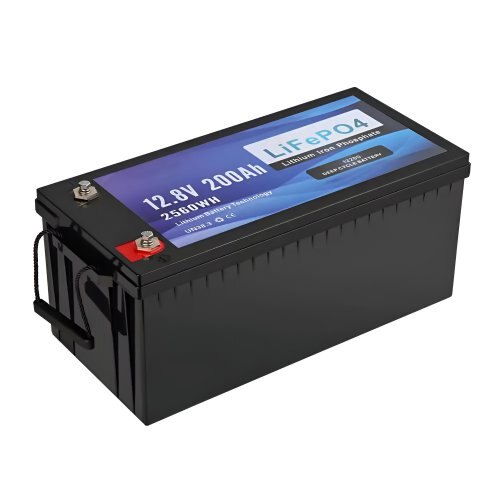
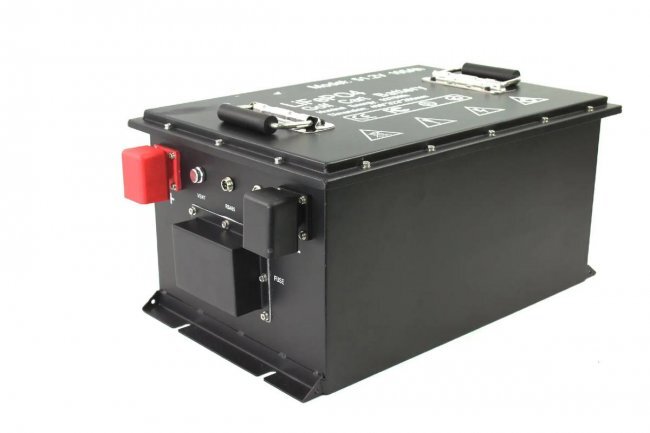
A standard 12V 100Ah LiFePO4 battery, the subject of this test, is designed as a direct replacement for older lead-acid batteries but with vastly superior capabilities. Its primary functions include:Deep-Cycle Operation: It can be discharged down to 80-90% of its capacity repeatedly without suffering damage, making it ideal for powering appliances off-grid.Stable Voltage Delivery: It maintains a consistently high voltage for the vast majority of its discharge cycle, ensuring that connected devices operate at peak performance until the battery is nearly empty.Integration with Solar Systems: It pairs seamlessly with solar charge controllers, efficiently storing solar energy for later use.Silent and Maintenance-Free Power: It operates silently and requires no periodic watering or equalization charges, unlike its lead-acid counterparts.
The Advantages: Where LiFePO4 Truly Shines
Our testing regimen, which involved repeated charge-discharge cycles using a programmable DC load and monitoring with a battery analyzer, confirmed the celebrated benefits of this technology.
1. Exceptional Cycle Life: This is arguably the most compelling advantage. Where a quality lead-acid battery might offer 300-500 cycles before significant degradation, the LiFePO4 battery is rated for 2000 to 5000 cycles, even when discharged to 80% Depth of Discharge (DoD). In practical terms, this translates to years, even a decade or more, of daily use. This longevity fundamentally alters its cost-per-cycle, making it more economical over the long term despite a higher initial purchase price.
2. Superior Safety Profile: Safety was a paramount concern in our evaluation. The LiFePO4 chemistry is inherently more stable. It is far more resistant to thermal runaway, a dangerous chain reaction that can lead to fire in other lithium-ion batteries. Even under stressful conditions like overcharging or short-circuiting (handled by the built-in Battery Management System or BMS), the battery remained cool to the touch. The phosphate cathode material will not catch fire, providing immense peace of mind, especially in enclosed spaces like vans or boats.
3. High Efficiency and Low Self-Discharge: We observed charge efficiency consistently above 95%, meaning almost all the energy you put into the battery is available for use. This is a stark contrast to lead-acid batteries, which can see efficiencies as low as 80%. Furthermore, the self-discharge rate is remarkably low. After sitting for a month, the battery had lost a negligible amount of charge, ensuring it is ready to go after extended storage periods.
4. Lightweight and Compact: The physical weight and size advantage is immediately apparent. A 100Ah LiFePO4 battery weighs approximately one-third of a comparable lead-acid battery. This is a critical benefit for mobile applications in RVs, campervans, and boats, where every kilogram matters for fuel efficiency and handling.
The Disadvantages: Considerations Before Purchase
No product is perfect, and LiFePO4 batteries have their own set of drawbacks that must be acknowledged.
1. Higher Initial Cost: The most significant barrier to entry is the upfront cost. A LiFePO4 battery can cost two to three times more than a similarly rated lead-acid battery. While the total cost of ownership is lower, the initial investment is substantial and requires careful budgeting.
2. Lower Nominal Voltage: A LiFePO4 cell has a nominal voltage of 3.2V, meaning a 12V battery is actually 12.8V. While this is compatible with most 12V systems, it can cause confusion with voltage-sensitive equipment or battery monitors calibrated for lead-acid chemistry. The voltage profile is also very flat, making it difficult to estimate state of charge based on voltage alone without a dedicated shunt-based monitor.
3. Sensitivity to Cold Weather Charging: While our test battery performed flawlessly in discharging at low temperatures (down to -20°C), charging it below 0°C (32°F) can cause permanent damage to the lithium plates. High-quality batteries, like the one tested, include a BMS that disables charging in sub-freezing conditions, which is a necessary protection but can be an operational hurdle in cold climates without a heated battery compartment.
Actual Use Experience
In a real-world scenario powering a small off-grid setup with a 12V fridge, LED lights, a water pump, and occasional inverter use for a laptop, the battery was transformative. The consistent voltage meant the fridge compressor started smoothly every time, unlike with an aging AGM battery that would cause lights to dim. The ability to use over 80% of the rated capacity without anxiety provided a tangible sense of freedom, effectively doubling the usable energy compared to a lead-acid battery that should not be discharged beyond 50%.
The built-in BMS provided seamless protection, automatically disconnecting the load when the voltage dropped too low and preventing overcharge from the solar controller. The complete absence of maintenance—no checking terminals for corrosion, no topping up with water—was a welcome relief.
Conclusion
The lithium iron phosphate battery represents a monumental leap in battery technology for specific applications. Its unparalleled cycle life, inherent safety, and high efficiency make it an outstanding choice for anyone serious about deep-cycle energy storage. While the initial cost is undeniably high and cold-weather charging requires consideration, these factors are often outweighed by the long-term value and reliability.
This test confirms that for solar enthusiasts, RV owners, and boaters, a LiFePO4 battery is not merely an upgrade but a fundamental shift towards a more capable and worry-free power solution. It is an investment that pays dividends in performance and peace of mind for years to come.
Product Catalogs