Energy Storage Systems News: Surging Investments And Technological Breakthroughs Reshape The Global Grid
The global energy storage sector is experiencing an unprecedented period of growth and transformation, moving from a niche supporting actor to a central pillar of the world's clean energy transition. Driven by the rapid deployment of renewable energy, supportive government policies, and falling costs, energy storage systems (ESS) are capturing significant investment and witnessing remarkable technological innovation. This surge is redefining how electricity grids are managed, promising enhanced stability, resilience, and decarbonization.
Latest Industry Dynamics: Record-Breaking Deployments and Major Policy Shifts
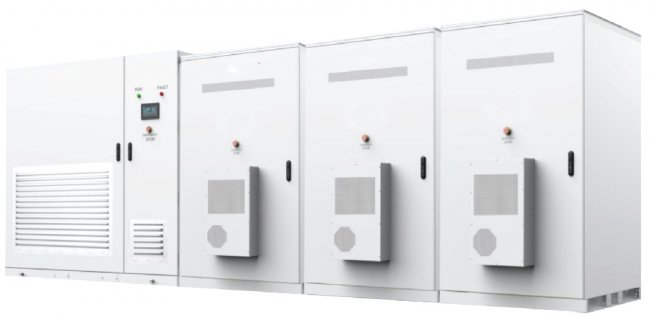
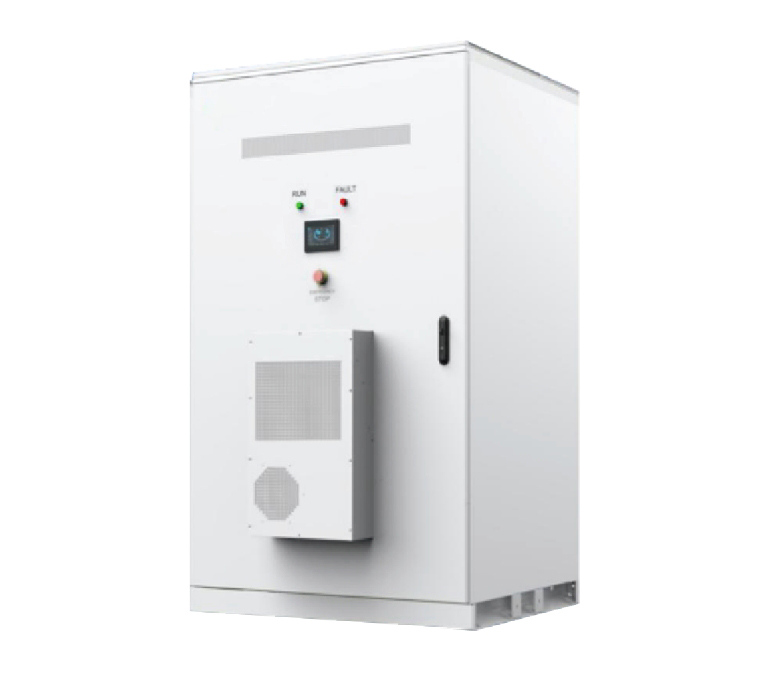
The current landscape is characterized by monumental scale. According to recent market analyses, the global energy storage market is projected to multiply several times over within the next five years. A primary driver is the United States, where the Inflation Reduction Act (IRA) has created a powerful investment stimulus. The IRA's standalone investment tax credit (ITC) for energy storage has unlocked a wave of project financing for grid-scale batteries, no longer tying them directly to a paired generation source. This has led to a pipeline of gigawatt-scale projects across states like Texas, California, and Florida, aimed at providing critical grid services, peak shaving, and backup power.
Simultaneously, Europe is accelerating its storage ambitions in response to the energy crisis and its REPowerEU strategy. Germany, the UK, and Italy are leading the charge with ambitious auctions and streamlined permitting processes. The focus in Europe extends beyond lithium-ion batteries, with growing interest in long-duration energy storage (LDES) technologies to ensure security of supply during seasonal variations and prolonged periods of low wind and solar generation.
In the Asia-Pacific region, China continues to dominate both the manufacturing and deployment of energy storage systems. The country's latest Five-Year Plan heavily emphasizes the integration of storage with its vast wind and solar bases. Furthermore, China's leading battery manufacturers are announcing new, larger-scale production facilities for sodium-ion batteries, signaling a significant shift towards diversifying the chemistry supply chain beyond lithium. Meanwhile, markets in Australia, Japan, and South Korea are seeing robust growth in both utility-scale and residential storage segments.
Trend Analysis: The Diversification of Technology and Applications
The narrative of energy storage is evolving from a singular focus on short-duration lithium-ion batteries to a more diverse and sophisticated ecosystem.
1. The Rise of Long-Duration Energy Storage (LDES): As renewable penetration deepens, the need to store energy for periods exceeding 10 hours is becoming critical. A diverse array of LDES technologies is gaining traction. These include flow batteries, which offer decoupled power and energy capacity and long cycle life; compressed air energy storage (CAES); and a new wave of gravity-based and thermal storage solutions. While most are still in the pilot or early commercial stage, significant venture capital and corporate funding are flowing into this segment, recognizing its future necessity.
2. Supply Chain Diversification and Sodium-Ion Breakthroughs: The geopolitical and supply chain vulnerabilities associated with lithium, cobalt, and nickel have accelerated the development of alternative chemistries. Sodium-ion batteries have emerged as the most promising near-term alternative. With performance rapidly improving and costs potentially 20-30% lower than lithium iron phosphate (LFP), sodium-ion is poised to capture a substantial share of the stationary storage market, particularly for applications where high energy density is less critical. Major players are now scaling up production, with the first GWh-scale factories expected to come online within the next two years.
3. Software and AI-Driven Optimization: The value of an energy storage system is increasingly determined by the intelligence of its control software. Advanced energy management systems, powered by artificial intelligence and machine learning, are becoming standard. These platforms enable systems to stack multiple revenue streams—participating in frequency regulation markets, performing arbitrage, providing capacity reserves, and delaying grid upgrades—all simultaneously. This "value stacking" is crucial for improving the economic viability of storage projects.
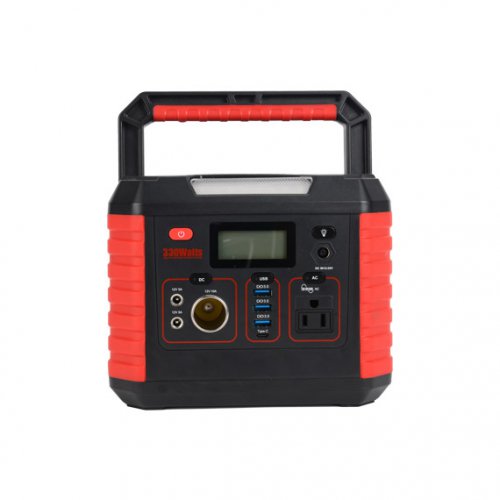
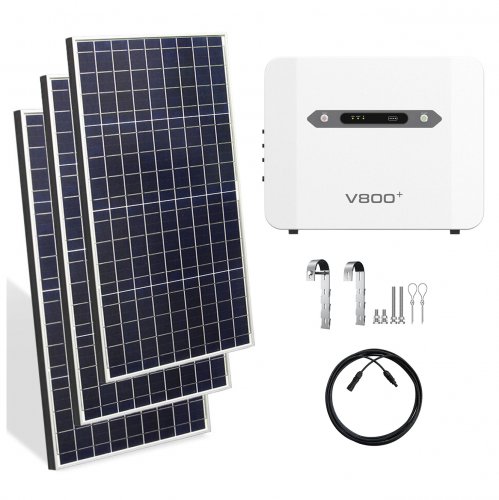
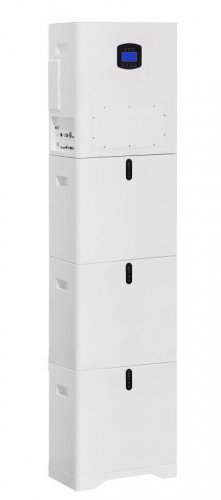
4. The Residential and C&I Boom: The market for behind-the-meter storage continues to expand rapidly. In regions with high electricity prices and volatile grids, homeowners and commercial & industrial (C&I) customers are increasingly adopting solar-plus-storage systems for self-consumption, backup power, and, where permitted, to participate in virtual power plants (VPPs).
Expert Perspectives: Cautious Optimism Amidst Growing Pains
Industry leaders and analysts express a tempered optimism, acknowledging both the immense potential and the significant challenges that lie ahead.
Dr. Elena Richter, a Senior Research Fellow at the Global Energy Institute, states, "The policy momentum is undeniable, and the technological progress is breathtaking. However, the industry must now navigate a complex web of interconnection queues, supply chain constraints, and a evolving regulatory framework. The success of storage is not just a technological challenge; it is a regulatory and market design challenge. We need markets that properly compensate storage for the full suite of services it provides to the grid."
On the technology front, Mark Chen, Head of Strategy at a leading battery technology firm, comments, "We are entering the era of chemistry-agnostic storage. The future grid will not be powered by a single battery type. We will see lithium-ion dominating high-power, short-duration applications; sodium-ion capturing the mid-range; and flow batteries or other LDES solutions providing weekly or seasonal storage. The key for developers and utilities will be to select the right tool for the right job, optimizing for cost, duration, and cycle life."
Regarding market evolution, Sarah Wilkinson, a project finance specialist, notes, "The IRA has fundamentally changed the investment calculus in the U.S. The key now is execution. We are seeing strong appetite from institutional investors, but they are closely scrutinizing technology risk, offtake agreements, and the operational track record of asset managers. As the asset class matures, we expect to see standardization and new financial products that will further lower the cost of capital."
In conclusion, the energy storage industry stands at a pivotal juncture. Bolstered by strong policy tailwinds and relentless innovation, it is poised for exponential growth. The focus is shifting from mere deployment to intelligent integration, technological diversification, and creating sustainable market structures. As these systems become deeply embedded in the fabric of the global energy infrastructure, they are set to play an indispensable role in achieving a reliable, resilient, and decarbonized electricity system.
Product Catalogs