Ess News: Navigating The Surge In Energy Storage Deployment And Evolving Market Dynamics
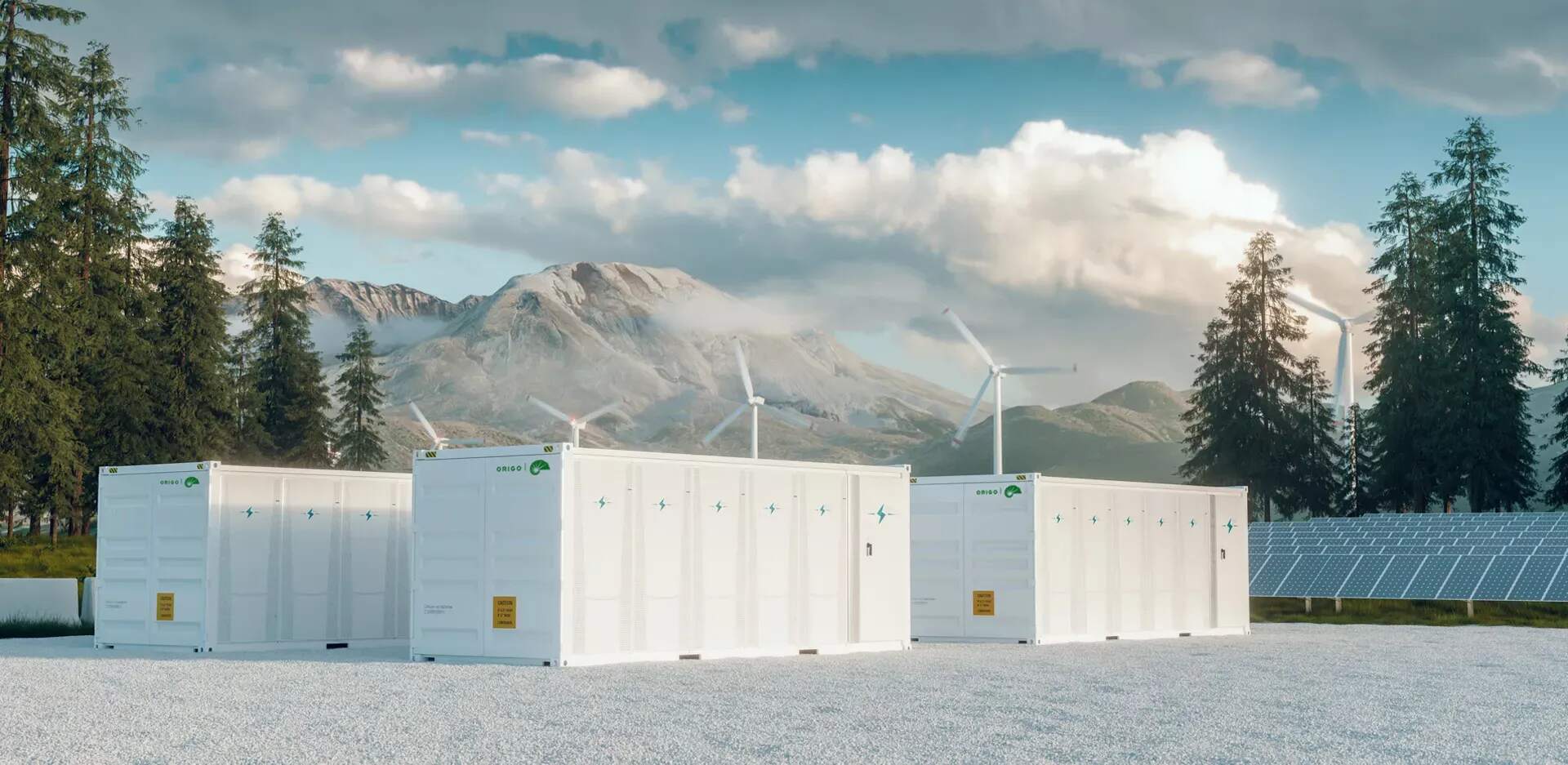
The global Energy Storage System (ESS) sector is experiencing an unprecedented period of growth and transformation. Once a niche complement to renewable energy projects, ESS is rapidly becoming a cornerstone of modern energy grids worldwide. Driven by the urgent need for grid stability, the relentless march of renewable energy adoption, and supportive government policies, the industry is scaling at a remarkable pace while simultaneously navigating significant challenges and technological shifts.
Latest Industry Dynamics: Record Growth Amidst Supply Chain and Regulatory Hurdles
Recent market data indicates a surge in ESS deployments across all major regions. In the United States, the Inflation Reduction Act (IRA) continues to be a primary catalyst, providing long-term investment certainty for standalone storage and bolstering domestic manufacturing ambitions. The pipeline for grid-scale projects has swelled, with developers announcing multi-gigawatt-hour facilities designed to replace retiring fossil fuel plants and mitigate congestion on transmission lines.
Similarly, Europe is accelerating its storage capacity in response to the energy crisis and ambitious decarbonization targets under the REPowerEU plan. Germany, the UK, and Italy are leading the charge, with a focus on both large-scale systems and commercial & industrial (C&I) applications. In the Asia-Pacific region, China maintains its dominance in both the manufacturing of battery cells and its domestic deployment, heavily integrating storage with its vast wind and solar bases. Meanwhile, markets like Australia and Japan continue to see robust growth in residential and grid-support projects.
However, this rapid expansion is not without its headwins. The industry continues to grapple with supply chain volatilities, particularly for critical minerals like lithium and cobalt. Although battery pack prices have dropped significantly over the past decade, 2023 saw a slight price increase due to high demand and raw material costs, testing the economic models of some projects. Furthermore, lengthy interconnection queues and evolving regulatory frameworks pose significant delays, requiring developers to navigate a complex web of permitting and grid compliance rules.
Trend Analysis: Beyond Lithium-Ion and Software-Defined Grids
As the market matures, several key trends are shaping its future trajectory:
1. Diversification of Storage Technologies: While lithium-ion phosphate (LFP) batteries have become the de facto standard for most new projects due to their safety and cycle life, the search for alternatives is intensifying. Long-duration energy storage (LDES) technologies are gaining considerable traction. Technologies such as flow batteries, compressed air energy storage (CAES), and advanced compressed air energy storage (A-CAES) are being piloted and deployed for applications requiring 10+ hours of storage. Their potential to provide seasonal storage and enhance grid resilience makes them a critical piece of the future energy puzzle.
2. The Ascendancy of AI and Advanced Software: The true value of an ESS is increasingly determined by its software. Sophisticated energy management systems (EMS) and asset performance platforms, often powered by artificial intelligence (AI) and machine learning, are becoming essential. These systems optimize charge and discharge cycles in real-time, allowing asset owners to participate in multiple revenue streams—from frequency regulation and capacity markets to energy arbitrage—simultaneously. This "software-defined storage" approach maximizes return on investment and is crucial for project bankability.
3. Evolution of Business Models: The value stack for ESS is becoming more complex and lucrative. Beyond simply storing solar power for evening use, systems are now providing a suite of grid services. Virtual Power Plants (VPPs), which aggregate distributed storage resources (including home batteries) to act as a single, dispatchable power plant, are emerging as a powerful concept. This allows utilities to manage peak demand without building new peaker plants and enables homeowners to earn revenue from their assets.
4. Focus on Safety and Sustainability: High-profile incidents at storage facilities have rightfully placed a spotlight on safety standards. The industry is responding with improved battery management systems (BMS), new fire suppression technologies, and stricter installation codes. Concurrently, the lifecycle management of batteries, particularly recycling and second-life applications for used EV batteries in stationary storage, is becoming a significant sub-sector, addressing concerns about the environmental footprint of storage systems.
Expert Perspectives: Cautious Optimism and Calls for Clarity
Industry leaders express a consensus of cautious optimism, tempered by pragmatic concerns about the pace of infrastructure adaptation.
"The economics for storage are clearer than ever," says Dr. Elena Rodriguez, a senior analyst at the Global Energy Institute. "The business case no longer relies on a single service. The ability to stack revenues from capacity, ancillary services, and arbitrage is what is driving the current investment boom. However, project timelines are being stretched not by technology, but by grid interconnection studies and local permitting processes. Streamlining these is the single most important step we can take to maintain momentum."
From a technology standpoint, Michael Thorne, CTO of a leading flow battery company, highlights the need for diversity. "Lithium-ion is perfect for many applications, but it's not a one-size-fits-all solution. As we target 100% renewable grids, we must deploy a portfolio of storage technologies. Long-duration storage is the missing link to achieving full decarbonization, and we are now seeing serious utility and corporate interest in piloting these solutions at scale."
Finally, the focus on operational intelligence is emphasized by Sarah Chen, CEO of a software startup specializing in asset optimization. "The hardware is just the container; the intelligence is the cargo. An ESS without a sophisticated, AI-driven platform is like a computer without an operating system. It’s the software that unlocks the full value and ensures the asset can adapt to constantly changing market signals and grid conditions over its 15-20 year lifespan."
In conclusion, the Energy Storage System industry stands at a pivotal juncture. It is propelled by powerful macroeconomic forces and technological innovation but must successfully navigate supply chain, regulatory, and integration challenges to fulfill its potential. The continued collaboration between policymakers, grid operators, technology providers, and investors will be critical in shaping a resilient, flexible, and decarbonized energy future.
Product Catalogs