Fast Charging News: The Race For Speed And Sustainability Intensifies
The global push towards electrification, particularly in the transportation and consumer electronics sectors, has placed fast charging technology at the forefront of technological innovation. What was once a premium feature is rapidly becoming a baseline consumer expectation, driving intense competition and significant investment across the industry. The evolution is no longer just about achieving the highest kilowatt (kW) number; it is increasingly focused on creating a seamless, efficient, and sustainable charging ecosystem.
Latest Industry Developments: Breaking the Speed Barrier
Recent months have seen several landmark announcements that push the boundaries of charging speed. In the electric vehicle (EV) sector, the benchmark for ultra-fast charging continues to rise. Leading automakers are now deploying 800-volt and even 1000-volt architectures in their new platforms, enabling charging powers of 350 kW and beyond. This allows compatible EVs to add hundreds of miles of range in well under 20 minutes. A notable development is the expansion of 350 kW-capable public charging networks, with major players like Ionity, Electrify America, and Tesla's Supercharger network (now opening to other brands in many regions) aggressively expanding their high-power footprints.
Simultaneously, the consumer electronics industry is not standing still. While smartphone charging has plateaued in the 80-120W range for many flagship devices due to battery longevity concerns, the focus has shifted to wireless charging. New standards like the Qi2 protocol, with its Magnetic Power Profile, are bringing faster, more efficient, and magnetically aligned wireless charging to a broader market, promising speeds that rival some wired solutions. Furthermore, the laptop market is embracing gallium nitride (GaN) technology, which allows for smaller, cooler-running chargers that can deliver 100W or more, capable of rapidly powering up high-performance laptops and other devices simultaneously.
A significant cross-industry trend is the move towards unification and interoperability. The universal acceptance of the USB Power Delivery (USB-PD) standard is a prime example. This single standard now governs fast charging for a vast array of devices, from headphones and smartphones to laptops and even some power tools, reducing e-waste and consumer confusion.
Trend Analysis: Beyond Raw Speed
The trajectory of fast charging technology is now defined by several key, interconnected trends that look beyond mere speed metrics.
1. The Battery Longevity Conundrum: The industry is grappling with the physical limitations of lithium-ion batteries. Repeated ultra-fast charging can accelerate battery degradation due to heat and mechanical stress. In response, the next wave of innovation is centered on "smarter" charging. Manufacturers are developing advanced Battery Management Systems (BMS) that use AI algorithms to precisely control the charging curve, optimizing speed while preserving health. Techniques like adaptive charging, which learns user patterns to slow charge overnight, and dynamic thermal management are becoming standard features.
2. The GaN and Silicon Carbide (SiC) Revolution: The widespread adoption of wide-bandgap semiconductors like Gallium Nitride (GaN) and Silicon Carbide (SiC) is a game-changer. These materials are more efficient than traditional silicon, resulting in chargers and power electronics that are significantly smaller, lighter, and generate less heat. This efficiency is crucial for developing compact 350 kW EV chargers that don't require massive utility upgrades and for the sleek multi-port desktop chargers now common in the consumer space.
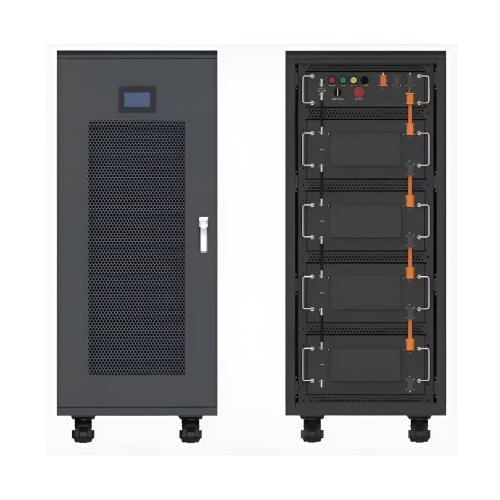
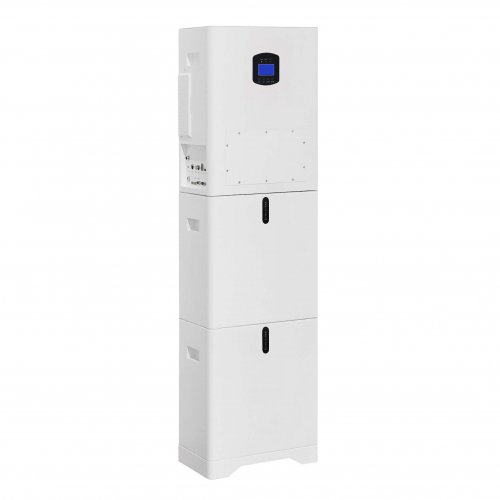
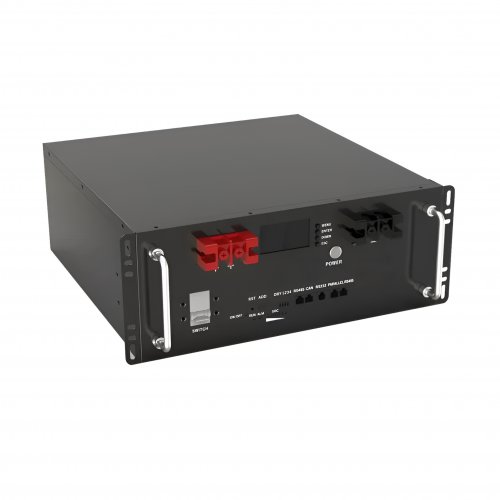
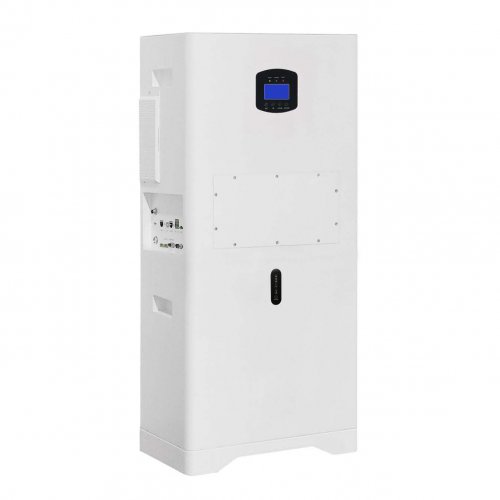
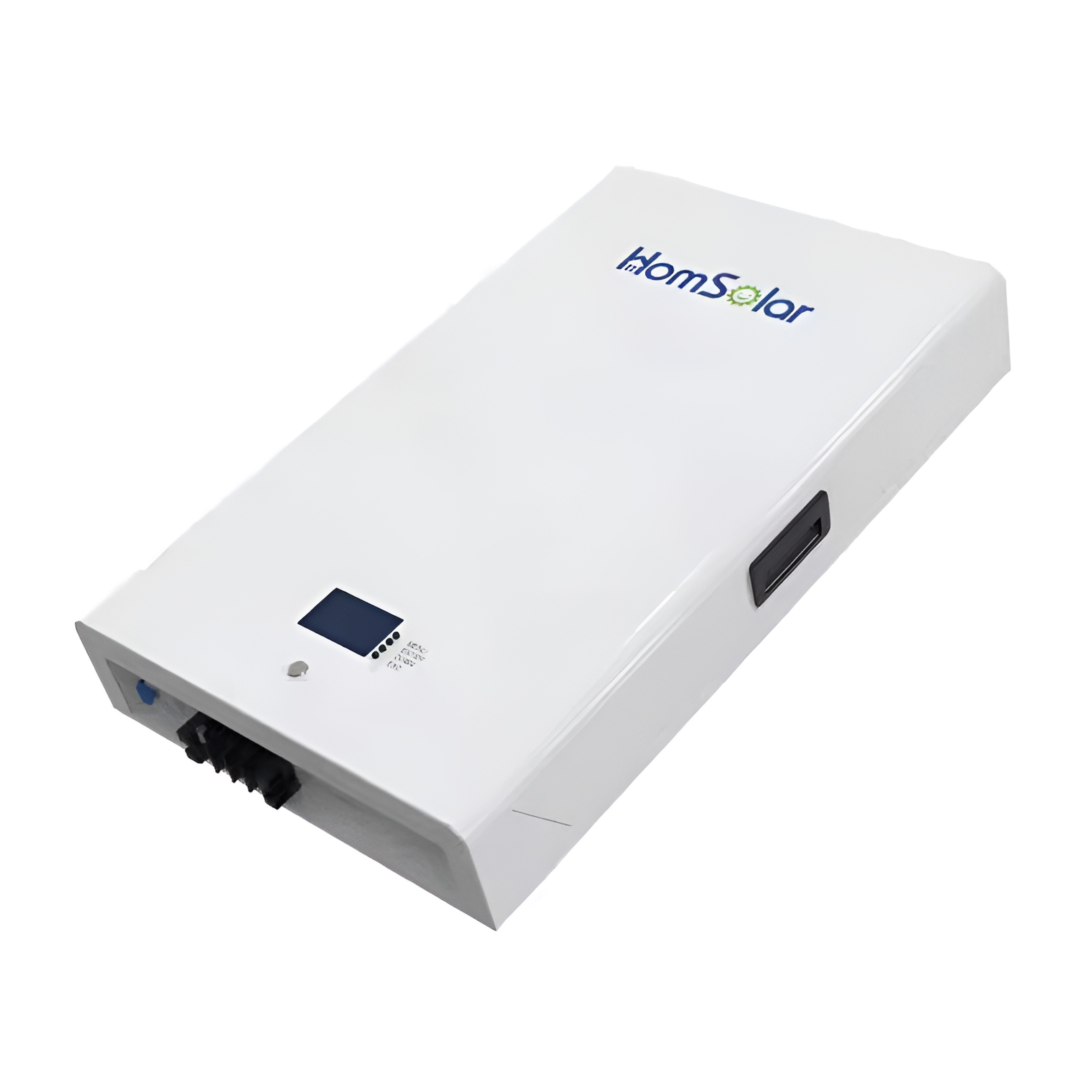
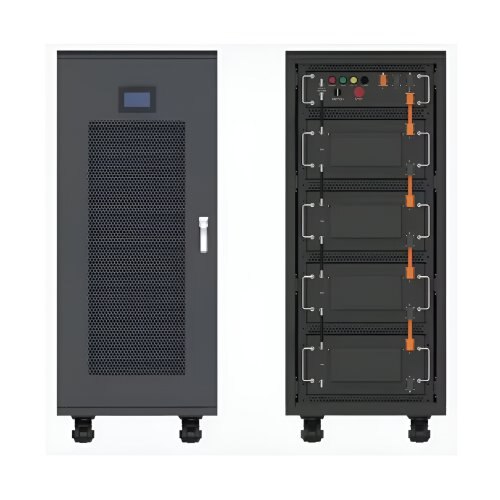
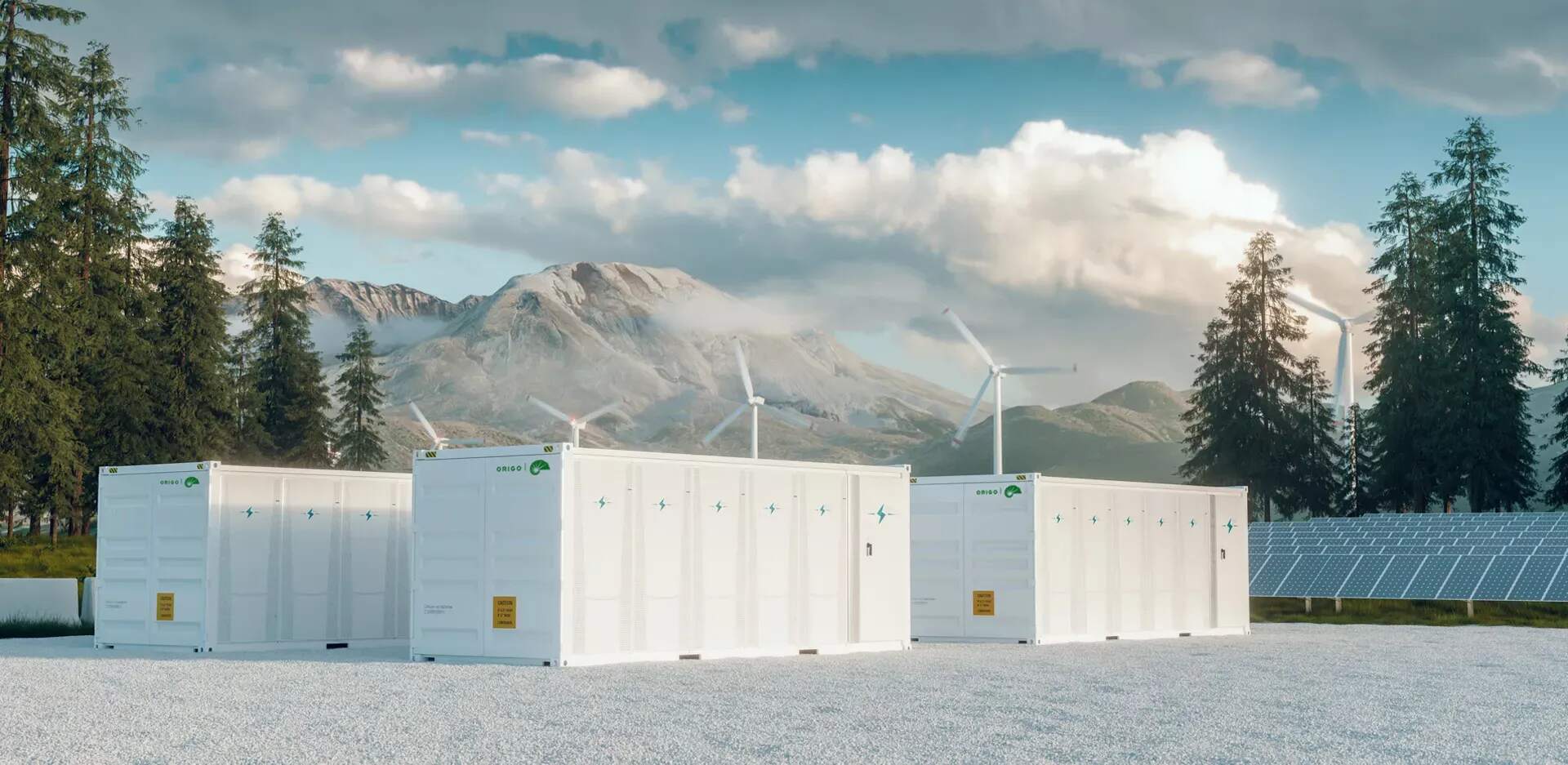
3. Integration with Renewable Energy and Grid Stability: As EV charging loads increase, their impact on the electrical grid cannot be ignored. The emerging trend is the integration of fast-charging stations with on-site energy storage (large-scale batteries) and renewable generation, such as solar canopies. This setup allows stations to draw power from the grid during off-peak hours, store it, and dispense it rapidly without causing local strain. Furthermore, vehicle-to-grid (V2G) technology, which enables EVs to discharge power back to the grid, is being trialed alongside fast-charging infrastructure, positioning EVs as mobile grid-stabilizing assets.
4. The Sustainability Focus: The lifecycle of charging technology is under scrutiny. The industry is responding with initiatives to improve the repairability of consumer chargers, use recycled materials in their construction, and develop more efficient recycling processes for EV and consumer electronics batteries. The environmental footprint of the entire fast-charging value chain is becoming a critical metric for investors and consumers alike.
Expert Views: A Cautious Yet Optimistic Outlook
Industry experts acknowledge the rapid progress but emphasize the challenges that lie ahead.
Dr. Elena Vance, a materials scientist specializing in energy storage, states, "We are approaching the practical limits of charge speed for conventional lithium-ion chemistries. The next significant leap will come from solid-state batteries, which promise faster inherent charging capabilities and greatly reduced degradation. However, commercial viability at scale is still several years away. In the interim, the focus must be on intelligent software and thermal management to maximize the potential of today's technology."
From an infrastructure perspective, Michael Thorne, a partner at a clean energy consultancy, highlights the scaling issue. "Deploying 350 kW chargers is one thing; powering them reliably is another. The real challenge is grid integration and managing demand charges for station operators. The most successful charging networks of the future will be those that combine ultra-fast chargers with large, on-site battery buffers and smart energy management software to minimize costs and grid impact."
On the consumer side, Sarah Chen, a technology market analyst, observes a shift in user perception. "Consumers are becoming more educated. They no longer just ask 'how fast?' but also 'how will this affect my battery in two years?' and 'is this charger future-proof?' This is pushing brands to compete on the overall charging experience—encompassing speed, device health features, and form factor—rather than on a single spec sheet number."
In conclusion, the fast charging industry is in a dynamic state of maturation. The initial race for maximum power is evolving into a more sophisticated, multi-faceted effort that balances speed with battery health, user convenience, and environmental responsibility. The companies that succeed will be those that can innovate not just on the hardware front but also in software intelligence and the sustainable integration of this transformative technology into our daily lives and energy grids.
Product Catalogs