Fast Charging News: The Race To Redefine Power Delivery Intensifies
The global push towards an electrified future has placed fast charging technology squarely at the center of one of this decade's most critical technological and industrial battlegrounds. No longer a mere convenience feature, the ability to rapidly replenish the energy of devices and vehicles is becoming a fundamental expectation for consumers and a strategic imperative for corporations and governments alike. The industry is currently navigating a complex landscape defined by breakthroughs in chemistry, evolving standards, and a renewed focus on sustainability.
Latest Industry Developments: Beyond Smartphones
While smartphone fast charging continues its incremental progress, with manufacturers like Xiaomi and Realme demonstrating prototypes exceeding 200W, the most significant recent activity has been in the electric vehicle (EV) and public infrastructure sectors.
The adoption of the 800-volt vehicle architecture is becoming a new benchmark for premium EVs. Companies like Porsche (with the Taycan), Hyundai (with the Ioniq 5 and 6), and Kia (with the EV6) have leveraged this technology to enable charging speeds that can add hundreds of kilometers of range in under 20 minutes. This shift is putting pressure on legacy automakers to accelerate their own high-voltage platform development.
In parallel, the rollout of ultra-fast charging networks is accelerating. Tesla’s continued expansion of its V3 Supercharger network and the opening of its connector design to other automakers is creating a more unified, albeit complex, North American charging landscape. Meanwhile, the competing Combined Charging System (CCS) standard is seeing its own power upgrades, with companies like Electrify America and Ionity deploying 350 kW chargers across key travel corridors. A significant development in the United States is the implementation of the National Electric Vehicle Infrastructure (NEVI) program, which is allocating billions in federal funding to build a reliable, nationwide fast-charging network, explicitly requiring CCS compatibility.
Beyond EVs, the industry is witnessing a push for standardization in other domains. The latest USB Power Delivery (USB-PD) 3.1 specification has dramatically expanded its scope, now supporting up to 240W of power. This move effectively brings a universal fast-charging standard to a wider array of devices, including lightweight laptops, monitors, and even power tools, reducing the dependency on proprietary chargers and cables.
Trend Analysis: The Next Frontiers of Fast Charging
Looking forward, several key trends are shaping the trajectory of fast charging technology.
First is the intense focus on battery chemistry and infrastructure resilience. The core challenge of fast charging lies not in delivering high power to the vehicle, but in ensuring the battery can accept it repeatedly without significant degradation or safety risks. The industry's R&D efforts are heavily concentrated on silicon-anode batteries, solid-state electrolytes, and advanced thermal management systems. These innovations aim to increase energy density while allowing ions to move more freely and safely during rapid charging cycles. As Dr. Elena Vance, a materials scientist at the Advanced Battery Research Institute, notes, "The next five years will be less about pushing peak kilowatts higher and more about engineering the entire battery system—from the anode's nanostructure to the cooling liquid—to sustain high charging rates over the vehicle's entire lifespan without compromise."
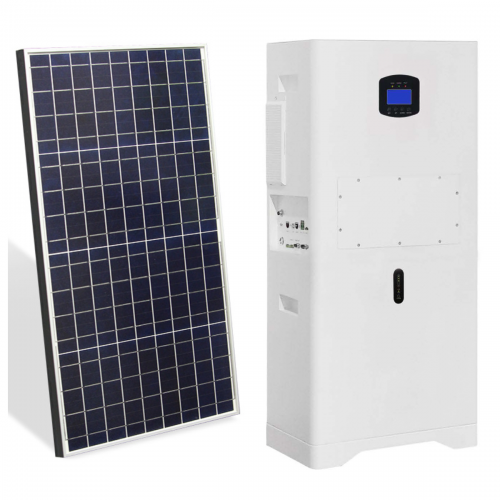
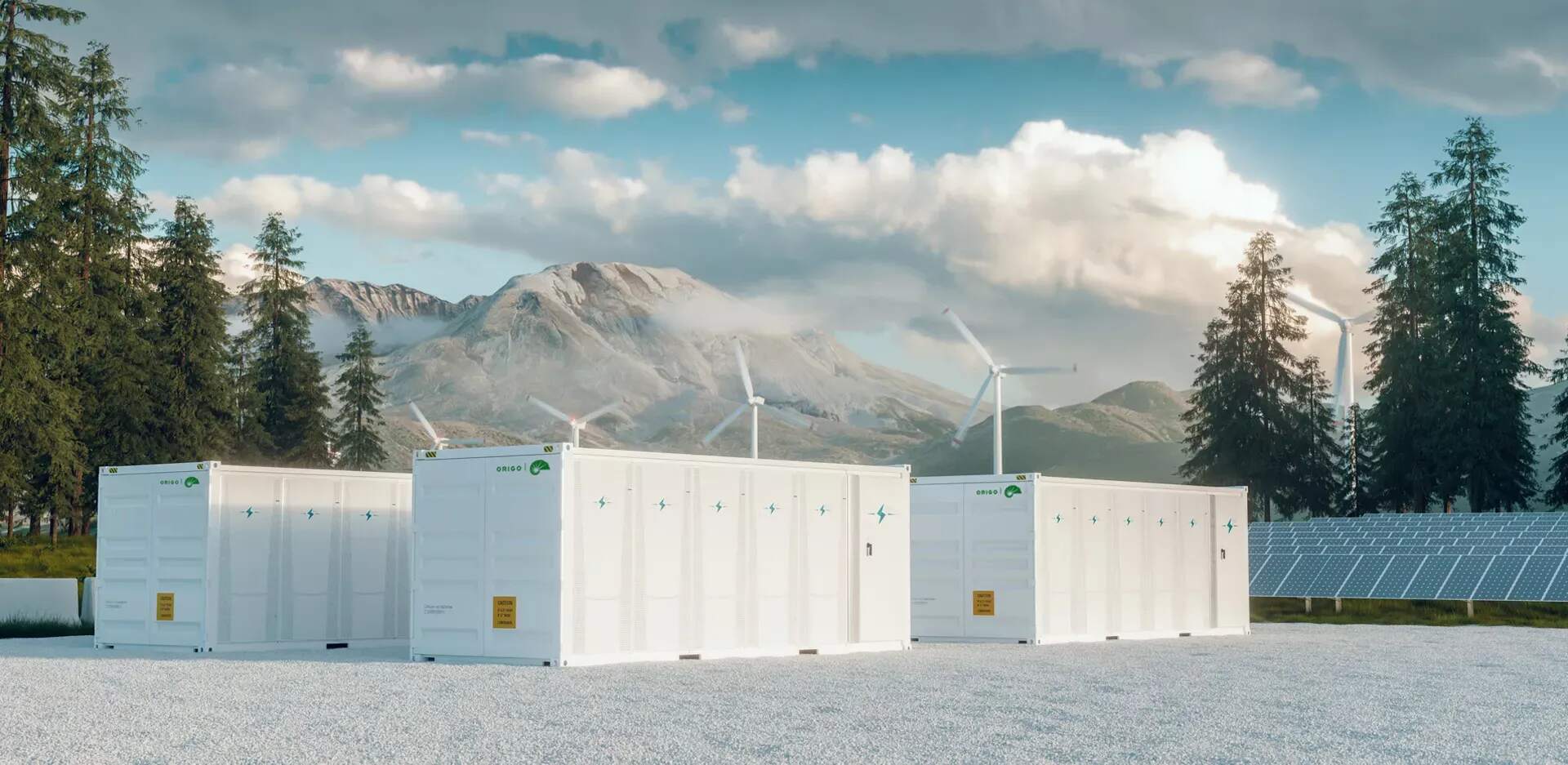
Second, the sustainability question is moving from the periphery to the core of the conversation. The immense power demands of a single 350 kW charger are equivalent to the peak consumption of dozens of households. This is straining local grids and raising concerns about the carbon footprint of the electricity used. The response is a growing integration of renewable energy sources and battery storage at charging sites. "We are seeing a clear trend towards 'smart charging hubs' that combine ultra-fast chargers with onsite solar canopies and large buffer batteries," says Michael Thorne, an energy infrastructure consultant. "This setup mitigates demand charges from the grid, ensures stability during peak usage, and provides a genuinely greener charging solution."
Finally, wireless fast charging is transitioning from a niche novelty to a serious area of investment. For consumer electronics, the Qi2 standard with Magnetic Power Profile is set to deliver a wireless charging experience that rivals wired speeds. For EVs, companies like WiTricity are progressing with bi-directional wireless charging pads, promising a future where simply parking over a pad enables both rapid charging and vehicle-to-grid (V2G) services, further integrating EVs into the smart grid.
Expert Perspectives: Balancing Speed with Practicality
Industry experts caution that the race for the highest peak charging speed must be balanced with real-world practicality and economic viability.
"Marketing departments love to tout the '10-80% charge in X minutes' figure, but this often represents an ideal scenario," states David Chen, an automotive industry analyst. "The real-world experience is dictated by the charging curve—the ability to maintain high power for as long as possible. A vehicle that holds 250 kW from 10% to 50% state-of-charge is often more effective than one that peaks at 350 kW for only a few minutes. The focus is now shifting to optimizing this curve."
Furthermore, the issue of interoperability remains a hurdle. While the NEVI program in the U.S. and similar initiatives in Europe are promoting standardization, the existence of different plugs (CCS, NACS, CHAdeMO) and inconsistent payment systems still creates friction for users. Sarah Jimenez, a policy researcher at the Center for Transport Innovation, emphasizes, "The hardware is only one part of the equation. True fast charging adoption requires a seamless, reliable, and user-friendly experience. This includes transparent pricing, real-time status updates, and minimal hassle at the point of use. Policy will play as big a role as technology in achieving this."
In conclusion, the fast charging industry is in a state of dynamic and multi-faceted evolution. The initial phase of simply increasing power levels is giving way to a more mature period focused on battery science, grid integration, and user-centric design. The winners in this high-stakes race will be those who can deliver not just speed, but also durability, sustainability, and a consistently excellent customer experience.
Product Catalogs