Fast Charging News: The Race To Redefine Power Delivery Intensifies
The global push for faster, more efficient power delivery is accelerating at an unprecedented pace. What was once a premium feature in high-end smartphones has rapidly become a baseline expectation across consumer electronics, electric vehicles, and even power tools. The industry is no longer just competing on who can achieve the highest wattage; the focus is shifting towards creating a seamless, intelligent, and universally accessible fast-charging ecosystem.
Latest Industry Developments: Beyond the Wall Adapter
Recent months have seen significant strides from key players, signaling a maturation of the technology beyond simple speed metrics.
In the smartphone sector, the spotlight has moved to wireless charging. The Qi2 standard, built upon Apple’s MagSafe technology, is beginning its market rollout. Its key feature, the Magnetic Power Profile, ensures perfect alignment between charger and device, enabling faster and more efficient wireless charging that can now reliably hit 15W without the proprietary constraints of first-generation MagSafe. This development promises to standardize and elevate the wireless fast-charging experience across the Android and iOS ecosystems, reducing the clutter of brand-specific protocols.
Simultaneously, Chinese manufacturers like Realme and Xiaomi continue to push the boundaries of wired charging, with laboratory demonstrations now exceeding the 300W mark, capable of filling a sizable phone battery in under five minutes. However, the industry conversation is increasingly centered on the sustainability and long-term battery health implications of such extreme speeds. Consequently, the latest commercial implementations, such as Oppo's new 150W system, heavily emphasize sophisticated battery management algorithms that monitor cell temperature and health in real-time to mitigate degradation.
The electric vehicle sector is witnessing an even more transformative leap. Companies like Porsche, Audi, and Hyundai are deploying 800-volt architectures in their latest models, enabling charging powers of up to 350 kW. At this rate, drivers can add hundreds of kilometers of range in the time it takes for a coffee break. The recent announcement of a collaborative venture between seven major automakers to create a new high-power charging network across North America directly challenges the existing Tesla Supercharger network and underscores the critical role of charging infrastructure in mainstream EV adoption. This network plans to deploy over 30,000 chargers, many capable of high-speed charging, aiming to alleviate "range anxiety" for good.
Trend Analysis: The Shift to Smarter, Integrated Systems
The evolution of fast charging is now defined by several key trends that move beyond raw power.
First is the rise of Gallium Nitride (GaN) and Silicon Carbide (SiC) semiconductors. These materials are far more efficient than traditional silicon at high voltages and frequencies, allowing for the creation of chargers that are significantly smaller, cooler, and more powerful. The widespread adoption of GaN in consumer accessory markets has made compact 65W and 100W chargers commonplace, capable of powering everything from laptops to tablets and phones with a single, portable brick.
Second, Artificial Intelligence (AI) is becoming the invisible brain of fast charging. Adaptive charging software, now present in both smartphones and EVs, learns user patterns. A smartphone will slow its charge to 80% overnight and only complete the final 20% just before the user typically wakes up, minimizing stress on the battery. In EVs, sophisticated battery management systems pre-condition the battery to the ideal temperature for fast charging as the vehicle navigates to a station, ensuring it can accept the maximum possible power upon arrival.
Third, the industry is grappling with the pressing need for universal standards and sustainability. The European Union's mandate for a USB-C charging port on electronic devices is a landmark move towards reducing e-waste and consumer frustration. This has cemented USB-C, and its evolving Power Delivery (PD) protocol, as the de facto wired standard. The future of USB PD is set to handle even higher powers, potentially streamlining charging for a wider array of devices, including lightweight laptops and monitors. On the sustainability front, research into solid-state batteries promises not only higher energy density but also vastly improved charge acceptance rates, potentially making today's fastest charging speeds seem slow in the coming decade.
Expert Perspectives: Balancing Speed with Longevity and Accessibility
Industry experts largely agree on the direction of the technology but emphasize the challenges that lie ahead.
"Speed is a fantastic marketing tool, but the real engineering challenge is now longevity," says Dr. Arjun Patel, a battery technology researcher at the University of Cambridge. "We are approaching the physical limits of lithium-ion chemistry in terms of charge acceptance. The next five years will be less about pushing more watts and more about optimizing the entire charging cycle through advanced software and new cell designs to ensure a battery remains healthy after thousands of fast-charge cycles."
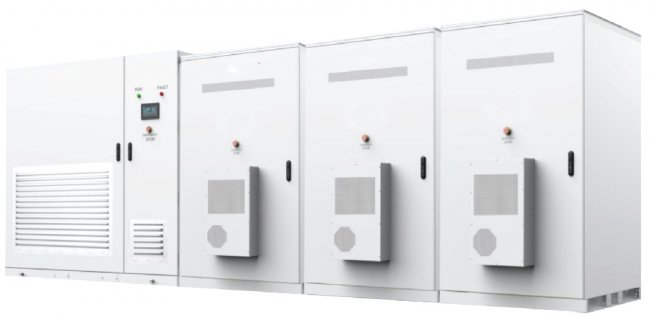
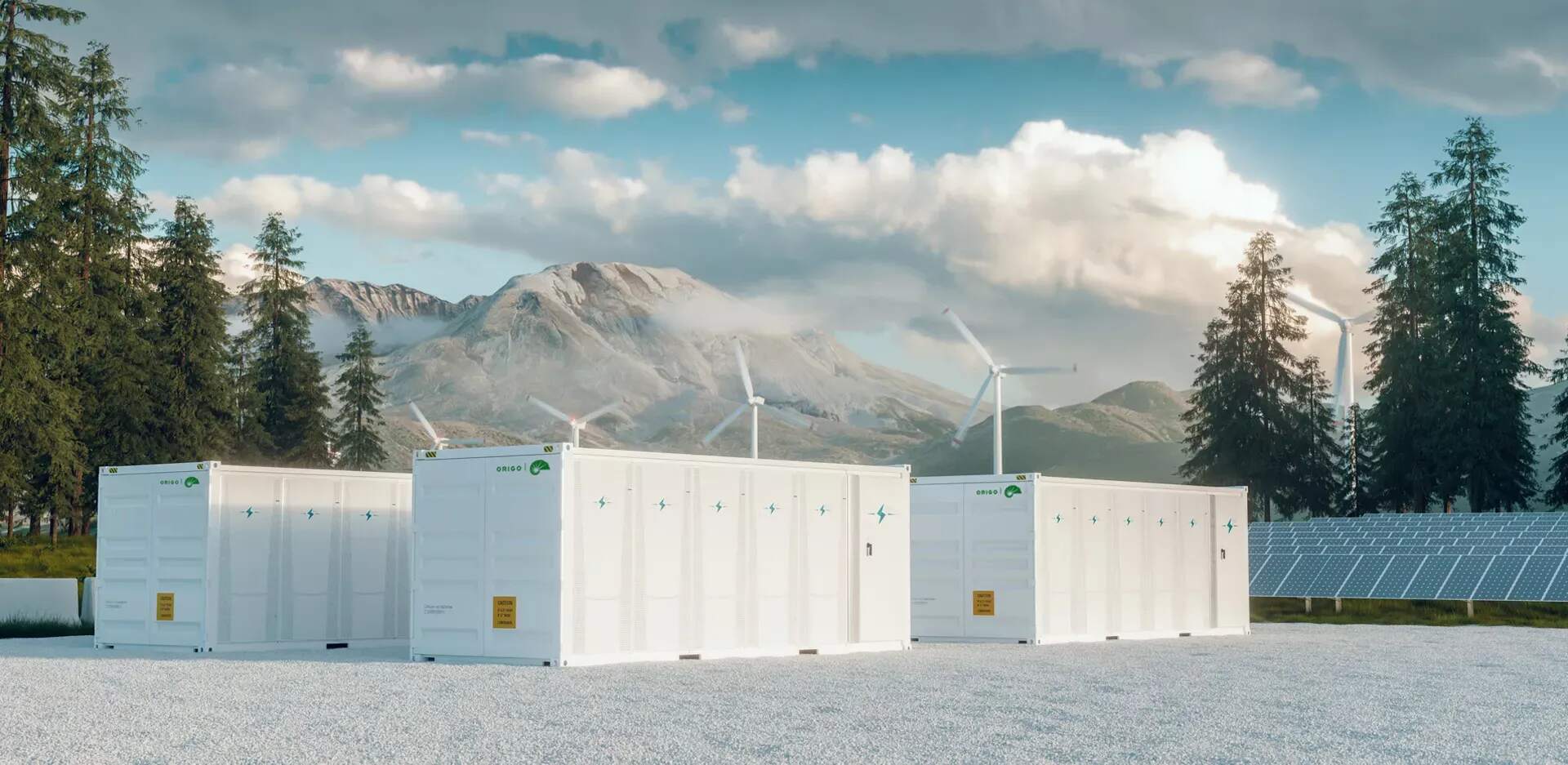
Sarah Chen, an analyst at a technology market research firm, highlights the infrastructure and business model implications. "The success of fast charging, particularly in the EV space, is inextricably linked to grid capacity and business viability. Deploying 350 kW chargers is one thing; ensuring the local electricity grid can support a bank of them without causing instability is another. We will see more innovation in energy storage solutions at charging sites, where large batteries buffer power from the grid to provide bursts of high-speed charging on demand."
Meanwhile, Kenji Tanaka, an engineer involved with the USB-IF standards body, stresses the importance of a unified approach. "The goal of technologies like extended Power Delivery is to create a world where you can use one charger for your phone, your laptop, your camera, and even your small appliance. This interoperability is crucial for reducing electronic waste and simplifying the user experience. The true victory for fast charging will be when it becomes completely invisible and effortless for the user."
In conclusion, the fast-charging industry is at a pivotal point. The initial race for peak power is giving way to a more complex, multi-faceted competition centered on intelligence, ecosystem integration, and sustainability. As technology continues to evolve, the ultimate winner will be the consumer, who can look forward to a future where power anxiety is a relic of the past, and energy is delivered as seamlessly as the data it enables.
Product Catalogs