Grid Storage News: Surging Investments And Technological Diversification Reshape The Global Energy Landscape
The global grid storage sector is experiencing an unprecedented period of growth and transformation, moving from a niche supporting actor to a central pillar of the world's clean energy transition. Driven by the rapid deployment of variable renewable energy sources like solar and wind, the need for large-scale, flexible energy storage has become a critical priority for utilities, grid operators, and governments alike. The latest industry developments point towards a future defined by massive capital investment, fierce technological competition, and a strategic evolution in the role of storage within the broader energy ecosystem.
Latest Industry Dynamics: A Surge in Deployment and Capital
Recent months have been marked by a flurry of activity underscoring the sector's momentum. According to the latest market reports, the global energy storage market is poised for exponential growth, with projections suggesting installations could multiply several-fold over the next five years. The United States and China continue to lead in both deployment and manufacturing capacity, but Europe is rapidly accelerating its efforts in response to the energy crisis and ambitious decarbonization targets.
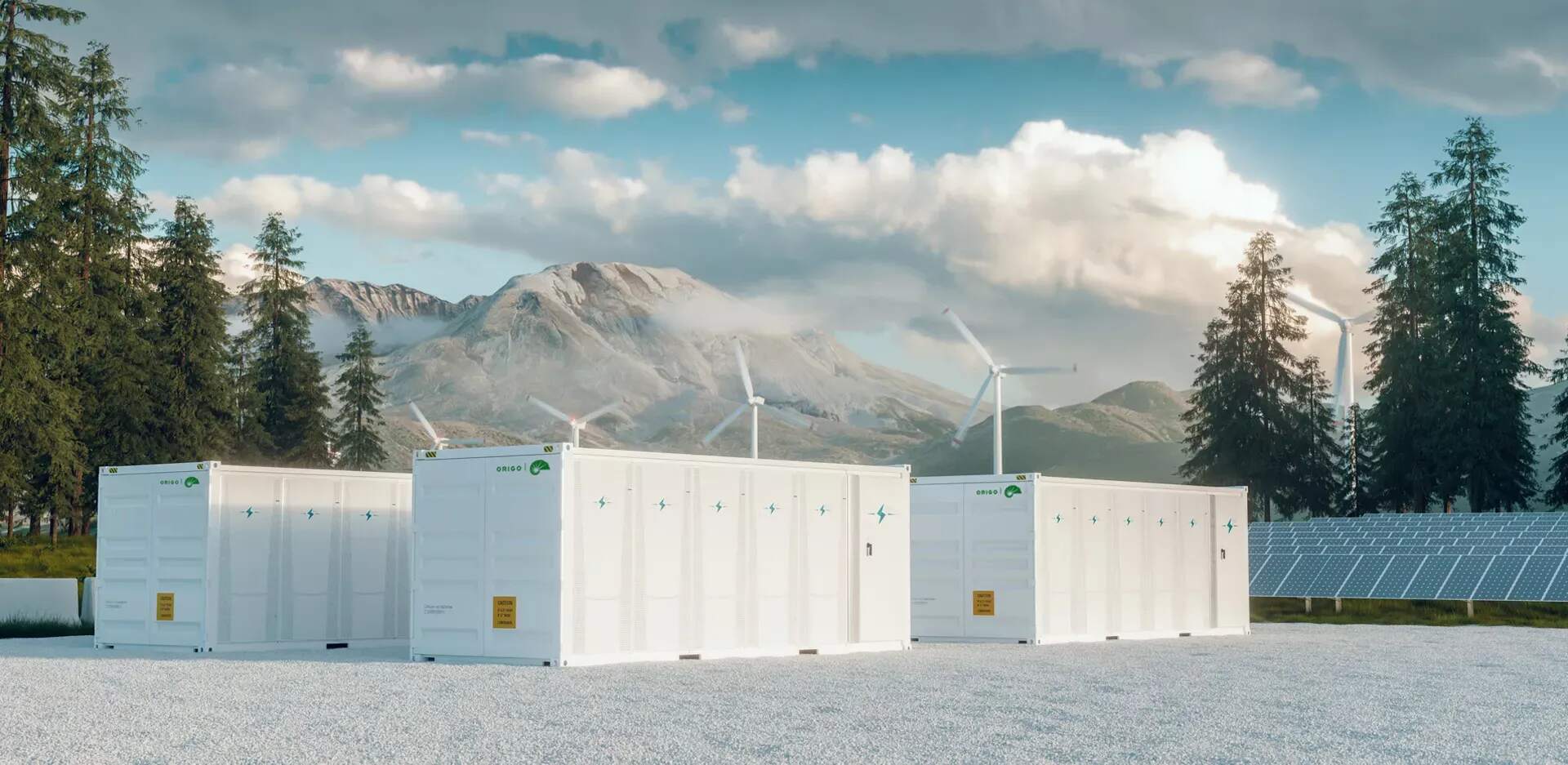
A significant trend is the scaling of project sizes. While 100-megawatt (MW) projects were once considered large, the industry is now routinely announcing facilities exceeding 500 MW and even 1 gigawatt (GW) in capacity. These are not merely larger batteries; they are sophisticated energy management systems designed to provide multiple services to the grid simultaneously. Furthermore, the Inflation Reduction Act (IRA) in the U.S. has created a powerful investment tailwind, with its standalone investment tax credit (ITC) for energy storage catalyzing a wave of new project announcements and manufacturing facility expansions. This policy has made energy storage projects more financially viable and is attracting a diverse range of investors, from traditional infrastructure funds to technology giants.
Another key dynamic is the diversification of revenue streams. Grid storage assets are no longer solely dependent on a single service, such as frequency regulation. Operators are now stacking value by providing capacity, black start capabilities, peak shaving, and transmission upgrade deferral, creating more robust and predictable business models. This "value-stacking" approach is essential for justifying the capital expenditure of large-scale projects and is being enabled by advanced software and market participation platforms.
Trend Analysis: Beyond Lithium-Ion and the Software-Defined Grid
While lithium-ion batteries currently dominate the grid storage landscape, accounting for the vast majority of new deployments, the industry is actively exploring a more diverse technological portfolio. The trend is towards finding the right technology for the right application.The Quest for Long-Duration Energy Storage (LDES): A major focus of research, development, and investment is on technologies capable of storing energy for 10 hours or more. Lithium-ion, while cost-effective for shorter durations, becomes prohibitively expensive for multi-day or seasonal storage. This has spurred innovation in areas such as flow batteries (vanadium, zinc-bromine), compressed air energy storage (CAES), gravity-based solutions, and advanced chemical storage like green hydrogen. Several pilot projects for these technologies are underway, with the goal of achieving commercial viability to support grids through extended periods of low renewable generation.The Rise of the Software-Defined Plant: The hardware is only one part of the equation. The intelligence that controls these storage assets is becoming increasingly sophisticated. Artificial intelligence (AI) and machine learning are being deployed to optimize charge and discharge cycles in real-time, predicting energy prices, grid congestion, and renewable output to maximize revenue. This digital layer transforms a passive storage asset into an active, predictive grid participant.Supply Chain and Geopolitical Considerations: The concentration of lithium-ion battery supply chains in certain regions has prompted concerns about security of supply and price volatility. This is driving policy initiatives in North America and Europe to build domestic manufacturing capacity for both batteries and their components. Concurrently, recycling initiatives for end-of-life batteries are gaining traction, aiming to create a circular economy and mitigate raw material dependencies.
Expert Perspectives: Cautious Optimism Amidst Growing Pains
Industry experts largely agree on the strategic importance of grid storage but highlight both the opportunities and challenges that lie ahead.
Dr. Elena Vance, a Senior Research Fellow at the Global Energy Institute, notes, "We are at a pivotal moment. The technical feasibility of high-renewable grids is no longer in question, thanks in large part to advancements in storage. The challenge now is one of scale, integration, and market design. Our regulatory frameworks and electricity markets were built for a different era and need to evolve rapidly to properly value the flexibility and resilience that storage provides."
Michael Thorne, a partner at a clean energy infrastructure fund, echoes this sentiment from an investment perspective. "The capital is there, and the appetite is strong. What we are looking for are projects with de-risked technology and predictable, long-term revenue contracts. The emergence of LDES is exciting, but for now, lithium-ion remains the bankable technology for most utility-scale applications. The key is to build a diversified portfolio, much like an investor would with stocks and bonds."
However, experts also warn of potential bottlenecks. "The interconnection queue is becoming a critical barrier," states Sarah Chen, CEO of a grid software startup. "There are thousands of megawatts of storage projects waiting for permission to connect to the grid. Streamlining this process is as important as developing the technology itself. Furthermore, we need a skilled workforce to design, build, and operate these complex systems—this is a growing area for workforce development."
In conclusion, the grid storage industry is riding a powerful wave of momentum, fueled by climate imperatives, supportive policies, and technological advancement. The narrative has shifted from "if" storage is needed to "how much" and "what kind." As the sector matures, the focus will intensify on building resilient supply chains, creating adaptive market structures, and integrating a diverse mix of storage technologies to ensure the stability and affordability of the future decarbonized grid. The coming years will be decisive in solidifying grid storage's role as the indispensable enabler of the global energy transition.
Product Catalogs