How To Use Lifepo4 Battery: A Comprehensive Guide To Maximizing Performance And Lifespan
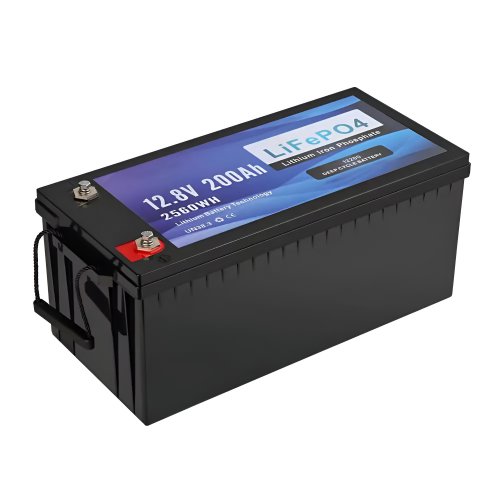
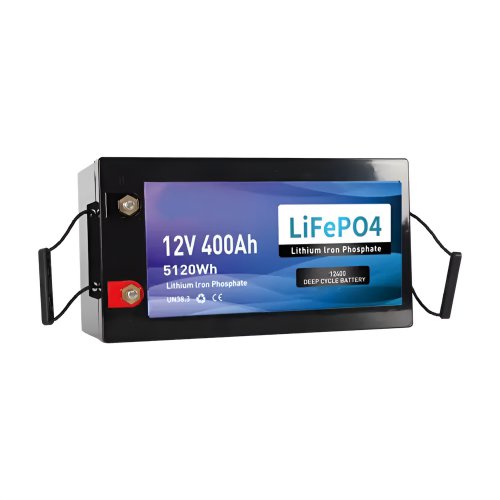
Lithium Iron Phosphate (LiFePO4) batteries have revolutionized energy storage with their exceptional safety, long cycle life, and stable performance. Whether you're powering a recreational vehicle, a marine application, a solar energy system, or portable electronics, understanding how to properly use and maintain these batteries is crucial for unlocking their full potential. This guide provides detailed steps, practical tips, and essential precautions to ensure your LiFePO4 battery delivers reliable power for years to come.
Part 1: Initial Setup and Installation
Proper installation sets the foundation for a safe and efficient battery system.Step 1: Inspection and Preparation Before installation, carefully inspect the battery for any signs of physical damage, such as cracks, dents, or leaking. Ensure the terminals are clean and dry. Verify that the battery's voltage and capacity (Ah) meet your system's requirements. It is also critical to wear appropriate personal protective equipment (PPE), including safety glasses and gloves.Step 2: Mounting and Environment LiFePO4 batteries should be mounted in a secure, well-ventilated location. While they do not off-gas like lead-acid batteries under normal operation, ventilation helps dissipate heat. The battery should be positioned upright and secured against vibration or movement. Avoid locations with direct sunlight, excessive moisture, or where temperatures can exceed the recommended range (typically -20°C to 60°C for discharge, and 0°C to 45°C for charging).Step 3: Connection Use high-quality cables and connectors that are appropriately sized for the current your system will draw. Tighten all terminal connections firmly to prevent arcing and voltage drop, but avoid over-tightening, which can damage the terminals. When connecting multiple batteries in series or parallel to increase voltage or capacity, it is imperative to use batteries of the same model, age, and state of charge. An improper balance can lead to premature failure. Always connect the main system fuse or circuit breaker as close to the battery positive terminal as possible.Step 4: System Integration Connect your battery to a LiFePO4-compatible Battery Management System (BMS) if one is not internally integrated. The BMS is the brain of the battery, protecting it from overcharge, over-discharge, short circuits, and temperature extremes. Finally, connect your loads (devices that use power) and your LiFePO4-specific charger.
Part 2: Daily Operation and Charging Practices
How you charge and discharge your battery daily has the most significant impact on its lifespan.Charging Guidelines:Use the Right Charger: This is the most critical rule. Always use a charger specifically designed for LiFePO4 chemistry. Chargers for lead-acid or other lithium types (e.g., NMC) have different voltage profiles and will either undercharge or dangerously overcharge a LiFePO4 battery.Optimal Voltage: A typical LiFePO4 cell has a nominal voltage of 3.2V. A standard 12.8V battery consists of four cells. The ideal charging voltage for a 12.8V system is between 14.2V and 14.6V, with an absorption or constant voltage phase followed by a drop to a float voltage (if used). Consult your battery's datasheet for precise values.Temperature Considerations: Never charge a LiFePO4 battery when its core temperature is below 0°C (32°F). Charging in freezing conditions can cause irreversible internal plating of lithium, permanently damaging the battery and creating a safety hazard. Many modern BMS units have low-temperature charge disconnect protection, but it is best practice to ensure the battery is in a suitable environment.Discharging Guidelines:Avoid Deep Discharge: While LiFePO4 batteries can be deeply discharged, for maximum longevity, it is advisable to avoid regularly draining them to 0% State of Charge (SOC). A discharge depth of 80% (using down to 20% SOC) is an excellent practice. The built-in BMS will typically cut off power to protect the battery at a low-voltage threshold (e.g., ~10V for a 12.8V battery), but you should not rely on this as a regular stopping point.Understanding State of Charge (SOC): Unlike lead-acid batteries, the voltage of a LiFePO4 battery remains very stable throughout most of its discharge cycle. You cannot accurately determine SOC with a simple voltmeter. The most reliable method is to use a battery monitor that tracks amp-hours (Ah) in and out (coulomb counting).
Part 3: Maintenance and Long-Term Storage
LiFePO4 batteries are virtually maintenance-free compared to their lead-acid counterparts, but they are not "install and forget" devices.Routine Checks: Periodically inspect the terminals for corrosion (though rare) and ensure they are tight. Check the battery case for any dust, dirt, or moisture and clean with a dry cloth if necessary. Monitor the battery's performance and log any significant voltage drops or capacity loss.Balancing: In a multi-battery bank, individual batteries can drift to slightly different voltages over time. To correct this, you should periodically perform a top-balance. This involves fully charging the entire bank until the BMS or a dedicated balancer actively balances the cells. This ensures all cells work equally and prevents any single cell from being overstressed.Long-Term Storage: If you plan to store the battery for an extended period, follow these steps: 1. Charge/Discharge to 50-60% SOC: This is the most stable state for lithium chemistry and minimizes aging during storage. 2. Disconnect: Disconnect the battery from all loads and chargers. 3. Store in a Cool, Dry Place: The ideal storage temperature is between 10°C and 25°C (50°F to 77°F). Avoid damp or freezing environments. 4. Periodic Check: Every 3-6 months, check the SOC and give the battery a small top-up charge if it has dropped significantly, returning it to the 50-60% range before storage resumes.
Part 4: Crucial Precautions and What to Avoid
Adhering to these warnings will ensure safety and prevent damage.DO NOT use a non-LiFePO4 charger.DO NOT attempt to open, modify, or puncture the battery. The internal materials are sensitive and can be hazardous if exposed.DO NOT charge the battery below 0°C (32°F).DO NOT short-circuit the terminals. This can generate extreme heat, cause a fire, and destroy the battery.DO NOT immerse the battery in water. While often housed in a sealed case, they are not designed to be submerged.DO NOT expose the battery to extreme heat or fire.DO always follow the manufacturer's specific instructions, as specifications can vary slightly between brands.
By following this comprehensive guide, you are not just using a battery; you are stewarding a high-performance asset. Proper care, correct charging, and mindful operation will ensure your LiFePO4 battery provides thousands of cycles of safe, reliable, and cost-effective power.
Product Catalogs