Lfp Battery News: Surging Demand Reshapes Global Ev And Energy Storage Markets
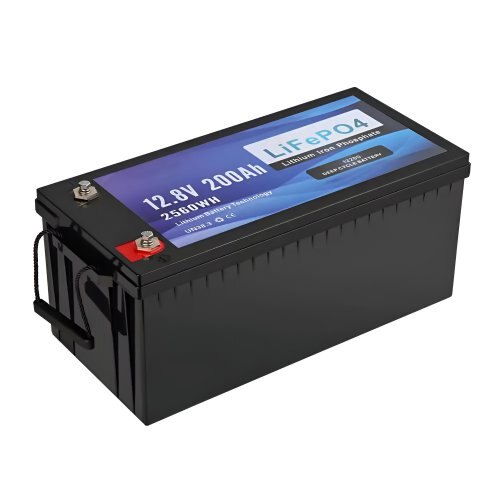
The lithium iron phosphate (LFP) battery, once considered a niche technology, has firmly moved into the mainstream, becoming a dominant force in the global electrification race. Driven by compelling cost, safety, and longevity advantages, LFP chemistry is experiencing unprecedented adoption across electric vehicles (EVs) and stationary energy storage systems (ESS), triggering significant shifts in supply chains and corporate strategies.
Latest Industry Dynamics: From Automotive Giants to Grid-Scale Projects
The most significant recent development is the accelerating embrace of LFP by Western automakers. For years, LFP was the battery of choice primarily in China, championed by industry leaders like BYD and CATL. However, concerns over supply chain security, volatile prices for key materials like cobalt and nickel, and a relentless focus on producing affordable EVs have prompted a strategic pivot.
Tesla has been a frontrunner, integrating LFP batteries into a substantial portion of its standard-range models globally. This move has been followed by major announcements from other automotive titans. Ford plans to use LFP cells from CATL in its Mustang Mach-E and F-150 Lightning, establishing a dedicated LFP battery plant in Michigan. Similarly, Volkswagen, Rivian, and Hyundai have all declared intentions to incorporate LFP packs into their future vehicle lineups, particularly for entry-level and mid-tier models. This widespread adoption signals a fundamental shift from a one-size-fits-all battery strategy to a chemistry-agnostic approach tailored to specific vehicle segments and consumer needs.
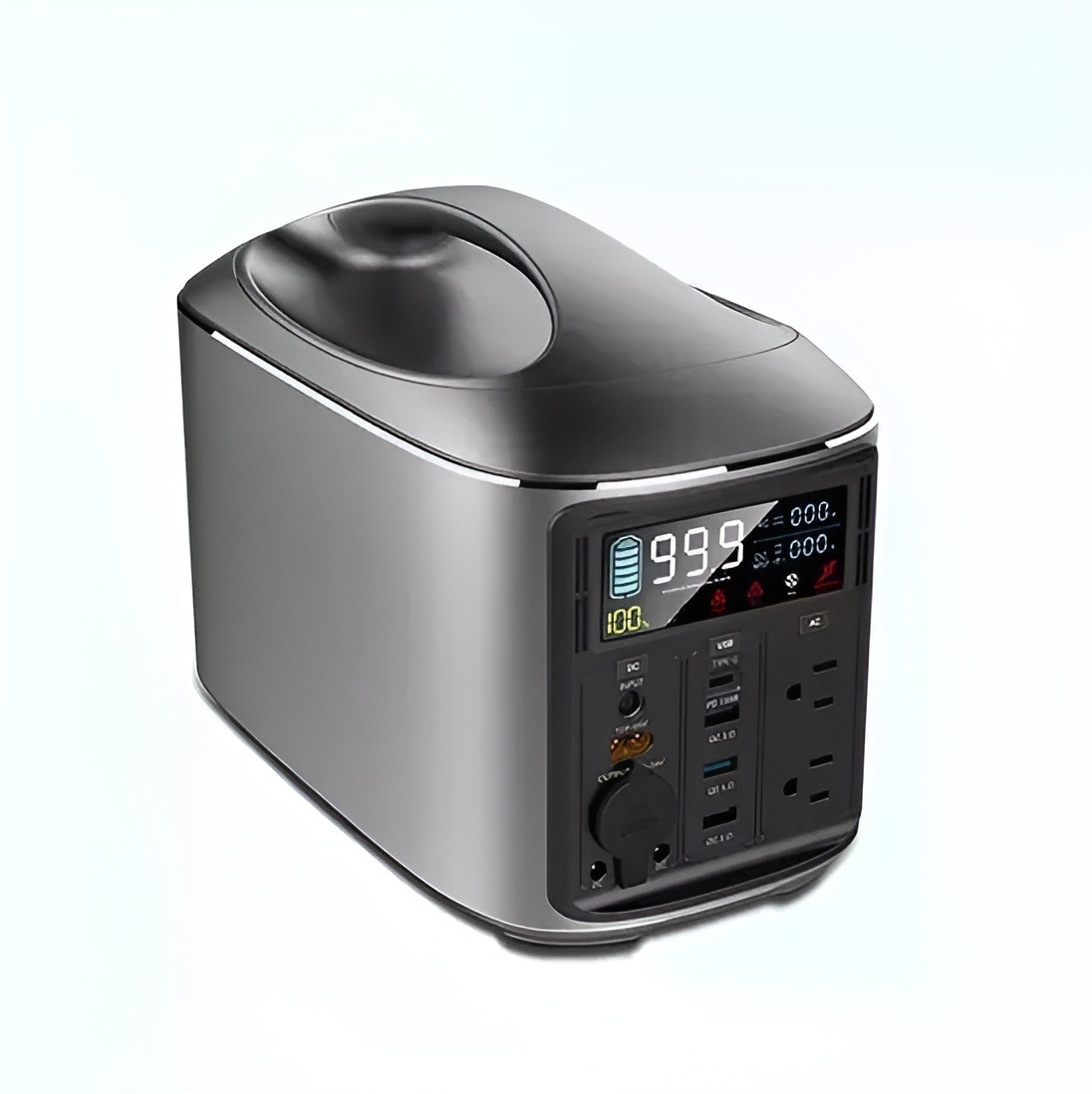
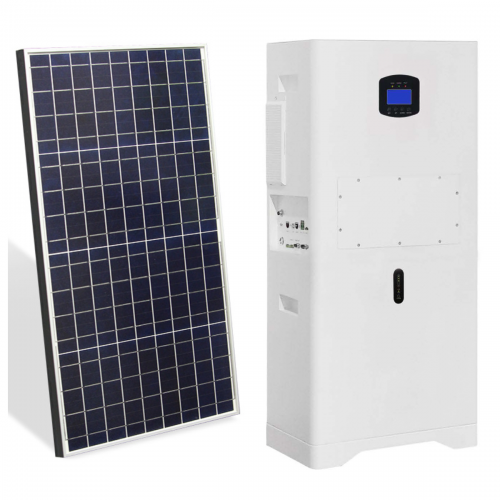
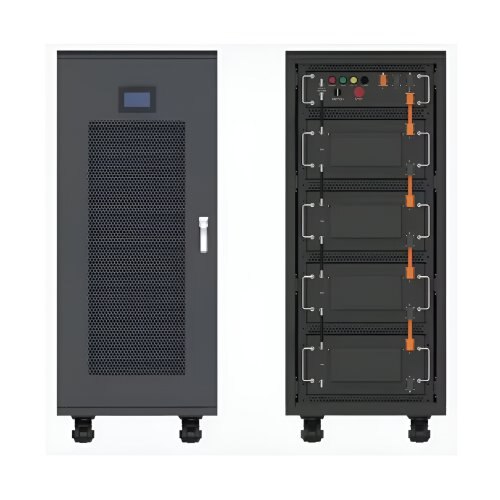
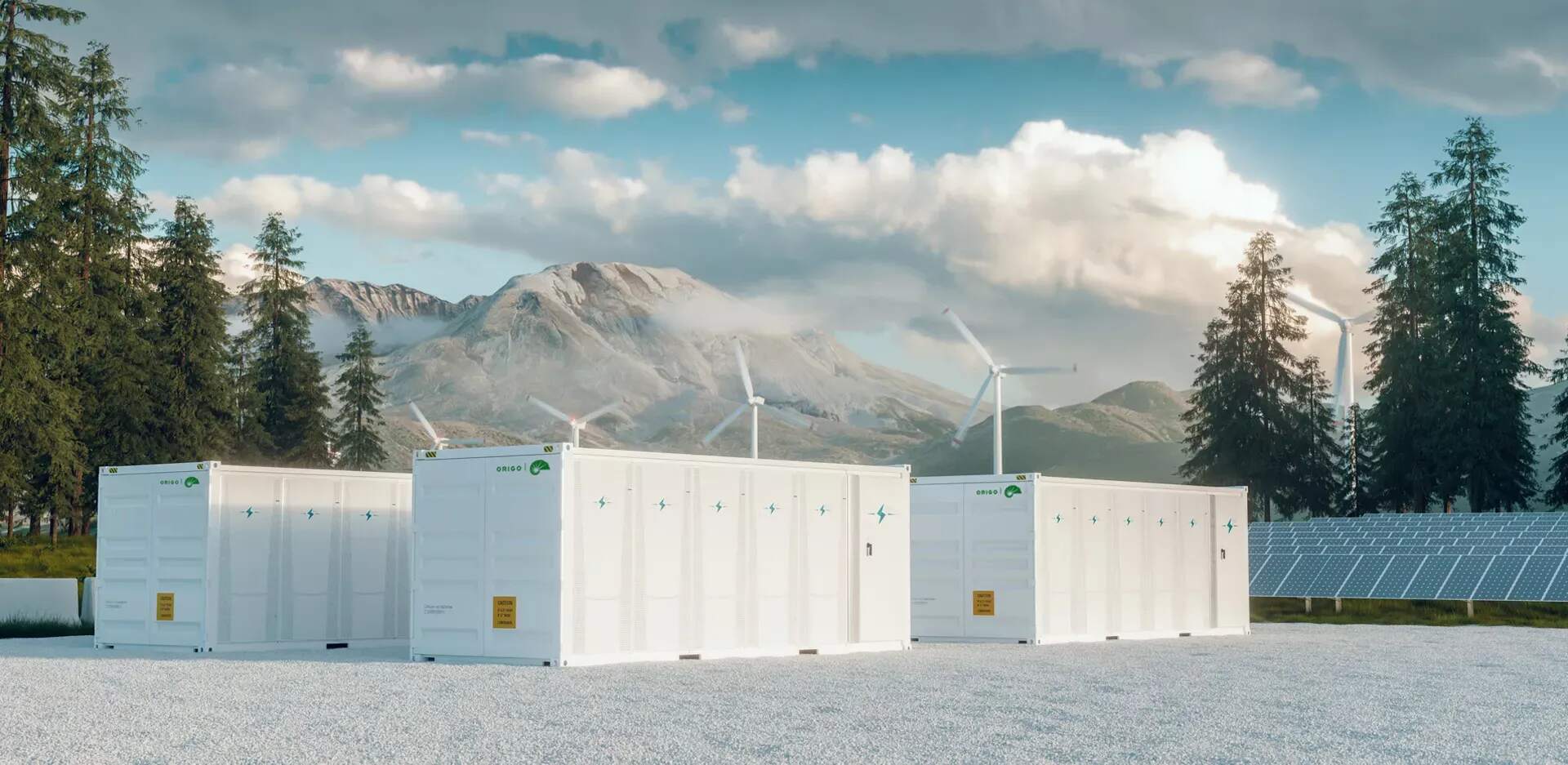
In parallel, the energy storage sector is witnessing an LFP boom. The inherent safety of LFP chemistry, characterized by a higher thermal runaway threshold and greater stability, makes it exceptionally suitable for large-scale ESS applications, from utility-grade installations to residential power walls. Recent months have seen announcements of massive ESS projects worldwide, with LFP as the default technology. For instance, major projects in Texas, California, and Australia are increasingly specifying LFP batteries, citing lower lifetime costs and reduced fire risk compared to older lithium-ion variants.
The supply chain is rapidly adapting to this demand. Chinese battery giants CATL and BYD continue to expand their global footprint, with new manufacturing facilities planned in Europe and partnerships forming in North America. Simultaneously, a wave of new players is emerging. American startups like Our Next Energy (ONE) and Group14 are developing advanced LFP and silicon-anode-LFP composite cells, aiming to capture market share with innovative designs that promise even greater energy density. In South Korea, LG Energy Solution and SK On, traditionally focused on nickel-rich chemistries, have now committed substantial R&D resources to developing and commercializing their own LFP battery technologies, aiming to compete directly with Chinese suppliers.
Trend Analysis: The Drivers and Future Trajectory
Several interconnected trends are fueling the LFP renaissance and are likely to define its future.
1. The Decoupling from Cobalt and Nickel: The primary driver remains economics and supply chain ethics. The prices of cobalt and nickel are subject to geopolitical tensions and mining bottlenecks. LFP’s cathode, made from lithium, iron, and phosphate, utilizes abundantly available materials, leading to lower and more stable costs. This also alleviates ethical concerns associated with cobalt mining, providing a significant ESG (Environmental, Social, and Governance) advantage.
2. Innovation Beyond the Cathode: The narrative that LFP is a "low-tech" option is rapidly becoming obsolete. Innovation is now focused on system-level optimization. Cell-to-Pack (CTP) and Cell-to-Chassis (CTC) technologies, pioneered by CATL and BYD, are dramatically increasing the volume efficiency of LFP packs, closing the gap on energy density with NMC (Nickel Manganese Cobalt) batteries at the vehicle level. Furthermore, advancements in electrolyte formulations and the integration of silicon into anodes are pushing the boundaries of LFP’s energy density and charging speed.
3. The Second-Life and Recycling Ecosystem: The long cycle life of LFP batteries—often exceeding 3,000 to 6,000 cycles—makes them ideal for cascading use. An LFP pack that has degraded to 80% capacity in an EV can still have a decade or more of useful life in a less demanding ESS application. This "second-life" potential is creating a new value stream and enhancing the overall sustainability proposition. Concurrently, a robust recycling ecosystem for LFP is developing, focusing on recovering lithium and other materials, which will further solidify its closed-loop credentials.
4. Geopolitical Reshaping of Supply Chains: The concentration of LFP production in China has prompted policy responses in the US and Europe. The US Inflation Reduction Act (IRA), with its incentives for domestically produced batteries and critical minerals, is actively catalyzing the construction of a local LFP supply chain. This is expected to reduce reliance on imports and create a more geographically diversified manufacturing base over the next five years.
Expert Views: A Balanced Perspective on the LFP Ascent
Industry analysts and executives largely agree on LFP's growing dominance but offer nuanced perspectives on the market's evolution.
"LFP is no longer the 'alternative' chemistry; it is becoming the default for a massive segment of the market," says Dr. Elena Martinez, a senior analyst at GreenTech Futures. "We project that by 2027, LFP will account for over 40% of the global EV battery market, up from around 30% today. The driving force is simple: it delivers the best value proposition for the mass market, where upfront cost and durability are paramount."
An engineering director at a major European automaker, who spoke on condition of anonymity, highlighted the strategic rationale. "Our shift to LFP is a de-risking strategy. It insulates us from cobalt price spikes and diversifies our supplier base. For our volume models, the slightly lower energy density is a trade-off we are willing to make for a safer, cheaper, and longer-lasting battery that meets the daily range needs of most customers."
However, experts also caution that the battery landscape will remain multi-chemistry. "LFP's ascent does not spell the end for NMC or other advanced chemistries," notes Professor Kenji Tanaka of the Institute for Energy Innovation. "High-performance vehicles, where maximizing range and power in a compact package is critical, will continue to rely on high-nickel NMC or emerging solid-state technologies. The future is not a winner-take-all battle, but a segmented market where the right battery is matched to the right application."
In conclusion, the LFP battery is at the epicenter of the global clean energy transition. Its rapid adoption across the automotive and energy storage industries is reshaping corporate strategies, accelerating the development of localized supply chains, and making electrification more accessible and safer. While technological competition will persist, the current trajectory firmly establishes LFP as a foundational pillar of a sustainable energy future.
Product Catalogs