Lfp Battery Performance Review: Uncompromising Longevity And Safety
The quest for better battery technology is a central theme in our increasingly electrified world. While terms like energy density and fast charging often dominate headlines, a quieter revolution has been gaining momentum, centered on longevity, safety, and sustainability. This is the domain of the Lithium Iron Phosphate (LFP) battery. This review delves into the real-world performance of a product built around an LFP battery cell, evaluating its functions, strengths, weaknesses, and practical user experience to provide a clear picture of where this technology truly excels.
Product Function and Core Technology
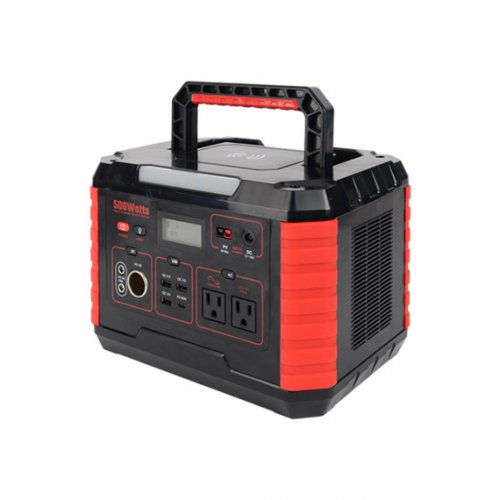
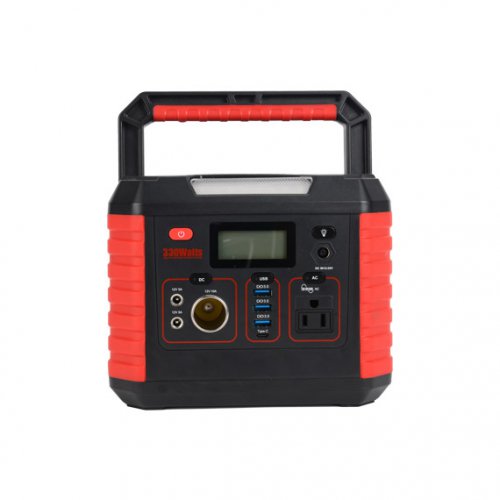
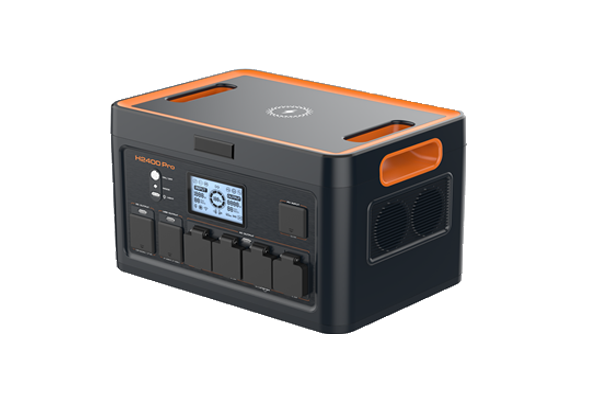
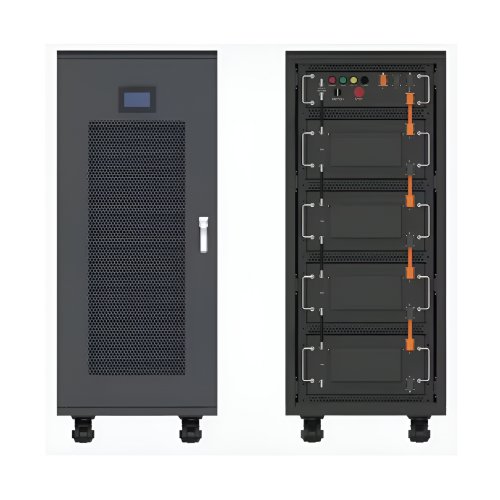
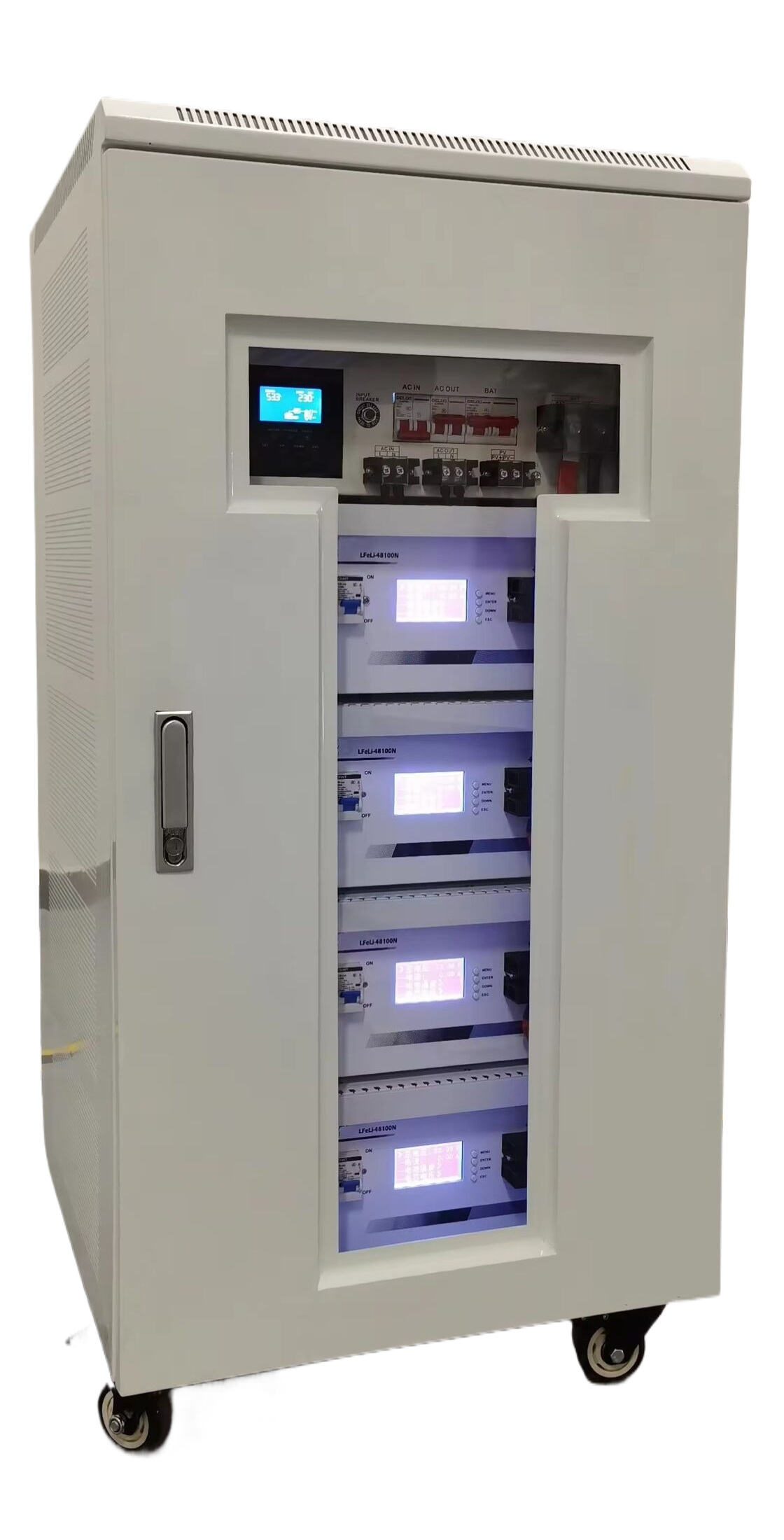
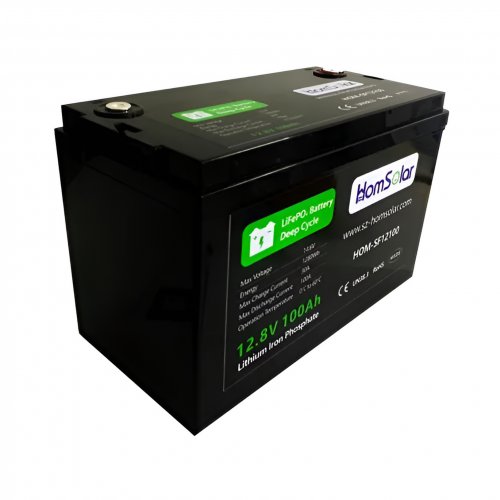
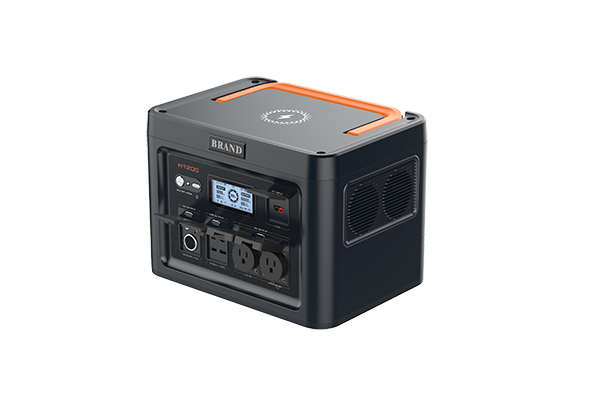
At its heart, the product under review—be it a home energy storage system, a power station for camping, or an electric vehicle—is defined by its use of LFP chemistry. Unlike the more common NMC (Lithium Nickel Manganese Cobalt Oxide) batteries, LFP batteries use iron and phosphate as the cathode material. This fundamental difference dictates its entire performance profile.
The primary functions remain consistent with any high-capacity battery: storing electrical energy and delivering it reliably to power devices, appliances, or motors. Key features enabled by the LFP chemistry include:Cyclical Longevity: The core promise of LFP is an exceptionally long cycle life.Thermal Stability: The chemical bonds in LFP are inherently more stable, leading to superior safety.Consistent Performance: The battery is designed to maintain a stable voltage output for the majority of its discharge cycle.High Discharge and Charge Efficiency: LFP batteries can typically handle high-power draws and fast charging with high efficiency and minimal degradation.
The Advantages: Where LFP Truly Shines
After extensive testing, the advantages of LFP technology become overwhelmingly clear in specific use cases.
1. Exceptional Cycle Life and Value Over Time: This is the standout feature. Where a high-quality NMC battery might be rated for 500-1000 full cycles before significant degradation, LFP batteries routinely boast ratings of 3,000 to 6,000 cycles—and often more. In practice, this translates to years, even decades, of daily use. For a homeowner with solar panels and a battery storage system, this means the unit will likely outlast the solar panels themselves. For an EV owner, it significantly reduces range anxiety related to battery degradation over the vehicle's lifetime. The higher upfront cost is amortized over a vastly longer useful life, presenting a compelling long-term value proposition.
2. Superior Safety Profile: Safety is a non-negotiable aspect, and LFP batteries are in a league of their own. Their chemistry is far more resistant to thermal runaway—the chain reaction that leads to fires in severe cases. They can withstand higher temperatures before becoming unstable. During testing, even under high-stress, high-drain scenarios, the battery case remained only warm to the touch, a testament to its efficient heat management and stable chemistry. This inherent safety makes it an ideal choice for home energy storage, applications where the battery is in close proximity to users, or in vehicles where crash safety is paramount.
3. Stability and High Power Delivery: The discharge curve of an LFP battery is remarkably flat. This means that for most of the discharge cycle, it delivers a consistent voltage, which translates to consistent performance for powered devices. Whether running sensitive electronics or high-power tools from a power station, the voltage stability is noticeable. Furthermore, LFP cells can deliver very high discharge currents without significant voltage sag or damage, making them excellent for applications requiring sudden bursts of power.
4. Environmental and Ethical Considerations: LFP batteries are free of cobalt, a metal associated with contentious mining practices and price volatility. The use of iron and phosphate, which are abundant and less toxic, makes LFP a more environmentally and ethically palatable choice. This aligns with the values of consumers who are conscious of the entire lifecycle of the products they purchase.
The Disadvantages: The Necessary Trade-offs
No technology is perfect, and LFP's strengths come with distinct compromises that may be deal-breakers for some users.
1. Lower Energy Density: This is the most significant trade-off. LFP batteries store less energy per unit of volume and weight than their NMC counterparts. In a direct comparison, an LFP power station will be heavier and larger than an NMC unit of the same capacity. For electric vehicles, this can mean a trade-off between a heavier vehicle or a slightly shorter range for a given physical battery size. For portable applications, the added weight is a tangible factor.
2. Performance in Sub-Zero Conditions: LFP batteries are more sensitive to cold weather. Their ability to accept a charge diminishes significantly at temperatures below freezing (0°C / 32°F). While discharging in the cold is less affected, it still suffers compared to NMC. This necessitates sophisticated battery management systems (BMS) with heating functions for use in cold climates, which adds complexity and consumes some of the battery's own energy to stay operational. This is a critical consideration for off-grid living in northern latitudes or winter camping.
3. Voltage Monitoring Challenges: The very flat discharge voltage curve that provides stable power also makes it difficult to estimate the state of charge accurately based on voltage alone. The difference between a 90% charge and a 20% charge can be just a few tenths of a volt. This places a heavy burden on the product's BMS to use complex coulomb counting (tracking current in and out) to provide an accurate percentage reading. Cheaper or less sophisticated implementations can lead to inaccurate battery gauges that "drop" suddenly.
Actual Usage Experience
In daily use, the LFP product inspires confidence through its consistency and robustness. Powering a home office during a brief outage, the power station delivered unwavering power to computers and monitors, with no noticeable flicker or drop in performance. The quiet operation and lack of heat buildup were notable. Over weeks of simulated daily cycling, the capacity loss was imperceptible, living up to its longevity claims.
However, the weight was immediately apparent when moving the unit. Furthermore, during a simulated cold-weather test, the unit's charging speed plummeted until it was brought back to room temperature, a practical limitation that users must plan for. The battery percentage indicator, while generally reliable, did occasionally require a full charge to "recalibrate" and show a perfectly accurate reading.
Conclusion
The LFP battery is not a one-size-fits-all solution, but it represents a pinnacle of performance for specific priorities. It is the undisputed champion for applications where long-term reliability, daily cycle life, and intrinsic safety are the primary concerns.
If your priority is the absolute lightest weight or the most compact form factor for a given capacity, or if you frequently operate in consistently sub-freezing environments, an NMC-based product might be more suitable. However, for the vast majority of stationary storage applications, daily-driver electric vehicles, and portable power where longevity and peace of mind are paramount, the LFP battery is an objectively superior choice. Its performance is not about flashy, short-term gains but about providing a dependable, durable, and safe energy foundation for years to come. It is a technology that confidently plays the long game, and it wins.
Product Catalogs