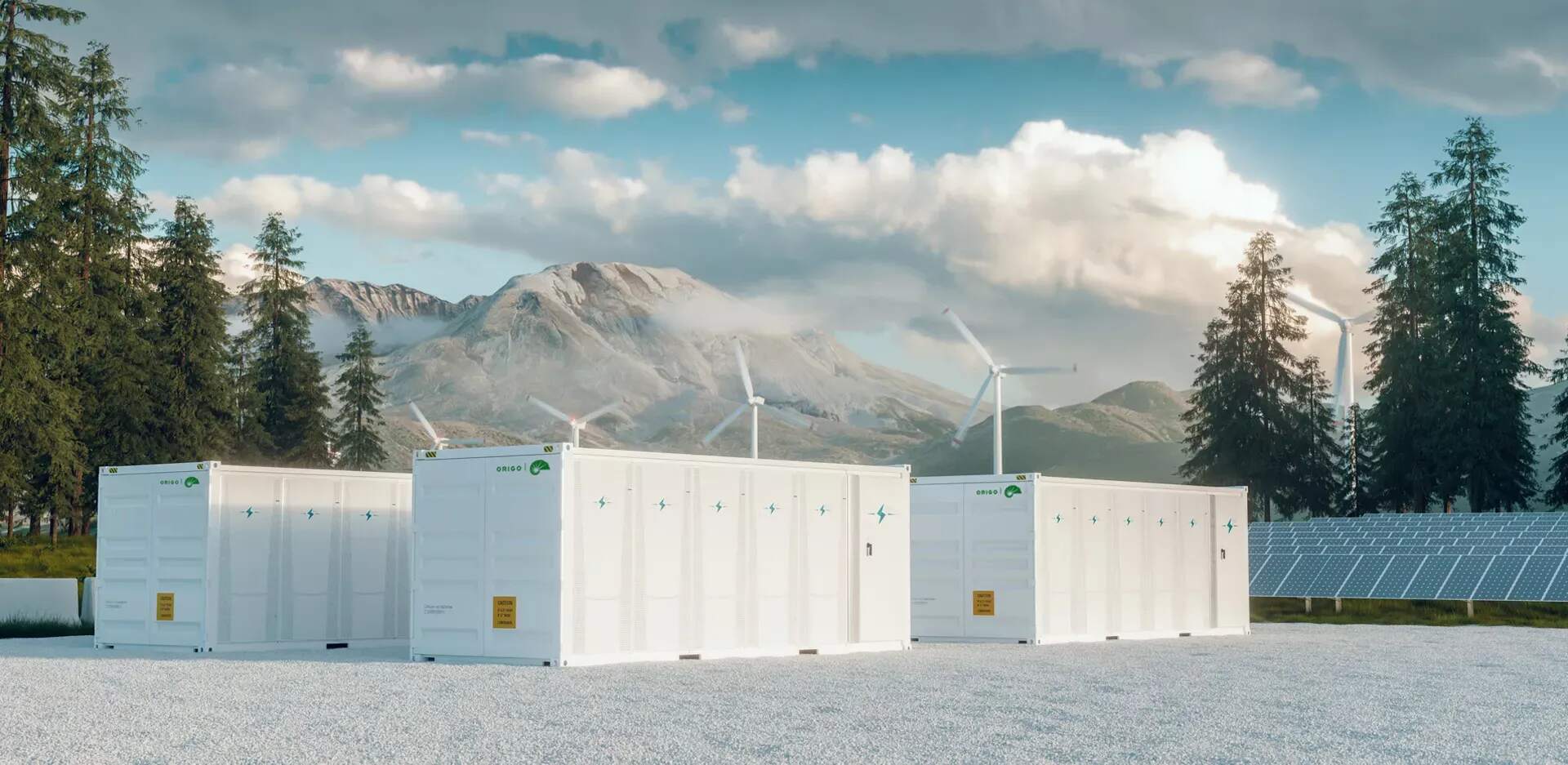
Lifepo4 Battery Comparison Review: Unmatched Safety And Longevity For Off-grid Power
The quest for reliable, durable, and safe energy storage has become paramount, whether for powering a weekend RV trip, a marine adventure, or a comprehensive home solar system. In this landscape, Lithium Iron Phosphate (LiFePO4) batteries have emerged as a superior alternative to traditional lead-acid and other lithium-ion chemistries. This review provides a detailed comparison of LiFePO4 batteries, focusing on their core functionalities, inherent advantages and drawbacks, and real-world performance across various applications.
Core Functionality and Technology
At its heart, a LiFePO4 battery performs the same fundamental function as any other battery: storing electrical energy and releasing it on demand. However, the key differentiator lies in its chemistry. Unlike the volatile Lithium Cobalt Oxide (LiCoO2) found in many consumer electronics or the heavy lead plates of AGM/Gel batteries, LiFePO4 utilizes lithium iron phosphate as its cathode material. This specific chemistry is the cornerstone of its unique performance profile.
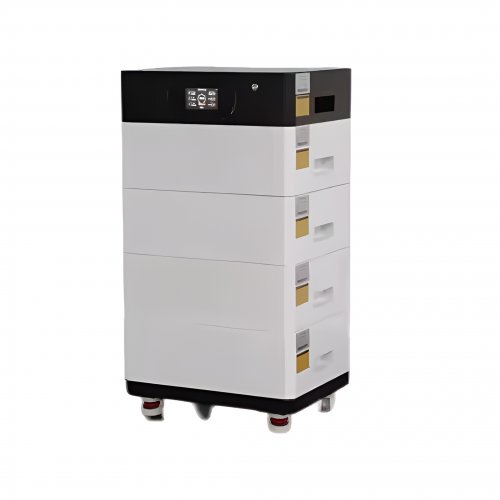
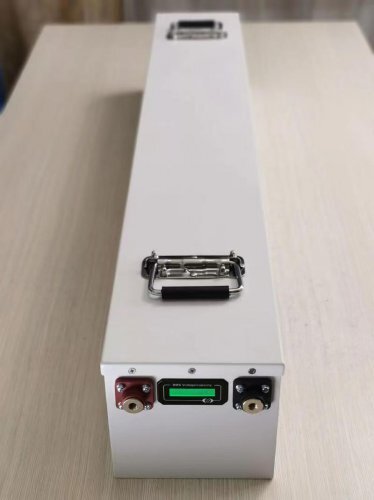
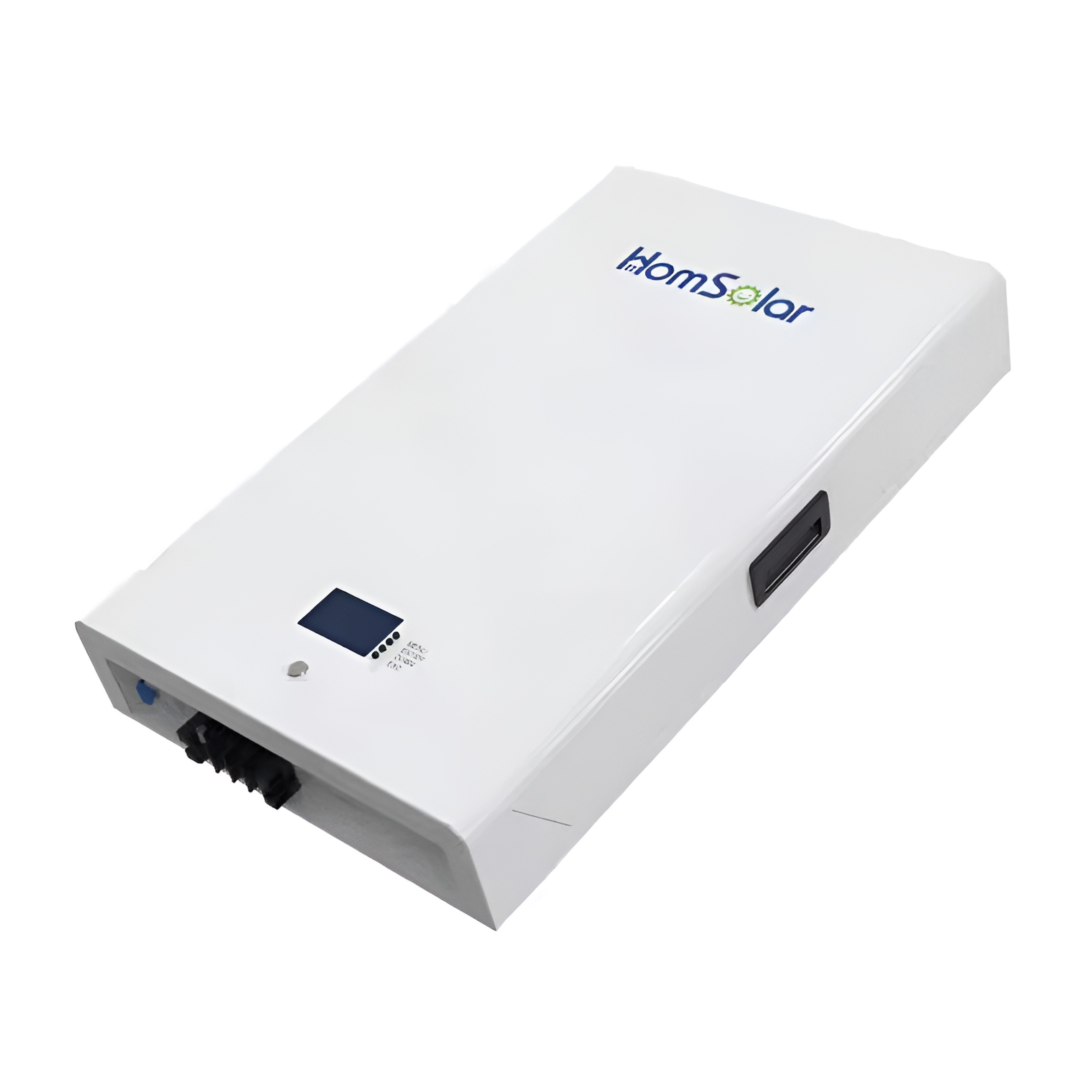
Modern LiFePO4 batteries are rarely just cells; they are integrated systems. Most premium models come equipped with a built-in Battery Management System (BMS). The BMS is a critical component that protects the battery by managing its operation. Key functions include:Overcharge and Over-Discharge Protection: Prevents the battery from being charged beyond its safe voltage or drained to a level that causes damage.Cell Balancing: Ensures all the individual cells within the battery charge and discharge uniformly, maximizing lifespan.Temperature Monitoring: Shuts down operation if the battery becomes too hot or too cold, preventing dangerous conditions.Short-Circuit Protection: Safeguards the battery and connected equipment in case of a fault.
The Advantages: Why LiFePO4 is Gaining Dominance
1. Exceptional Cycle Life: This is arguably the most compelling advantage. A quality LiFePO4 battery can endure between 3,000 to 5,000 charge cycles while retaining 80% of its original capacity. In practical terms, this translates to a lifespan of 10-15 years, significantly outperforming lead-acid batteries, which may only last 500-1000 cycles.
2. Unrivaled Safety: The phosphate-based chemistry is inherently more stable. It is highly resistant to thermal runaway, the phenomenon that can cause other lithium-ion batteries to catch fire or explode. This makes LiFePO4 a much safer choice for enclosed spaces like vans, boats, and homes.
3. High Efficiency and Stable Voltage: LiFePO4 batteries boast a round-trip efficiency of 95-98%, meaning very little energy is lost as heat during charging and discharging. Furthermore, they maintain a consistently high voltage for the majority of their discharge cycle. This means your appliances run more efficiently and powerfully until the battery is nearly depleted, unlike lead-acid batteries whose performance drops off steadily.
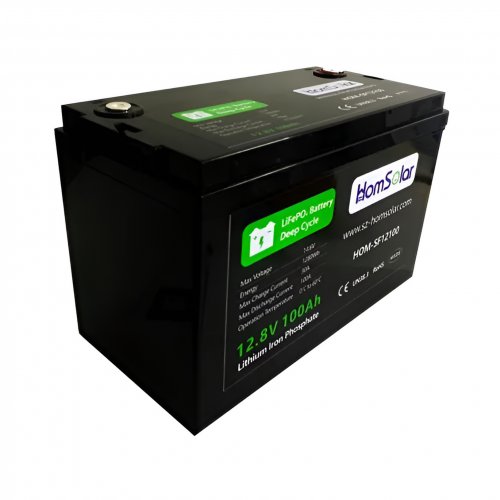
4. Lightweight and Compact: They offer a significantly higher energy density than lead-acid batteries. A 100Ah LiFePO4 battery can be less than half the weight and size of its lead-acid counterpart with the same nominal capacity, freeing up critical space and reducing weight in mobile applications.
5. Maintenance-Free Operation: There is no need for periodic equalization charges, watering, or cleaning terminals. Once installed, they require virtually no maintenance.
The Drawbacks: Considering the Trade-offs
1. Higher Initial Cost: The most significant barrier to entry is the upfront cost. A LiFePO4 battery can be two to three times more expensive than a comparable lead-acid battery. However, when evaluated on a cost-per-cycle basis over its entire lifespan, it often proves to be the more economical choice.
2. Lower Nominal Voltage: A LiFePO4 cell has a nominal voltage of 3.2V, meaning a 12V battery is typically configured as four cells in series. This can lead to a slight voltage discrepancy with systems designed for lead-acid batteries (12V nominal, but often charging at over 14V). While most modern equipment handles this seamlessly, it is a consideration for very old or sensitive electronics.
3. Performance in Sub-Zero Temperatures: While LiFePO4 batteries operate excellently in a wide temperature range, they generally cannot bechargedat temperatures below 0°C (32°F) without an integrated heating function, which is now common in many premium models. Discharging at low temperatures is usually not a problem.
Real-World Usage Experience
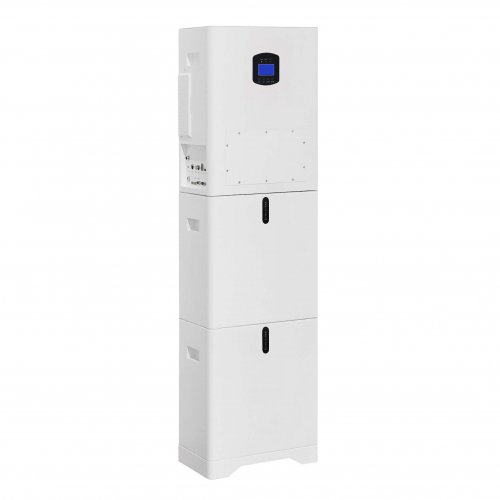
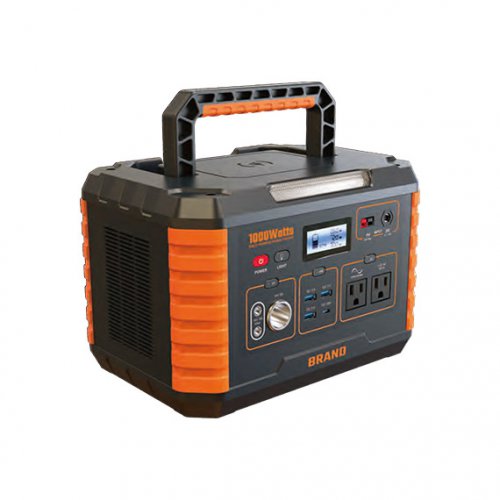
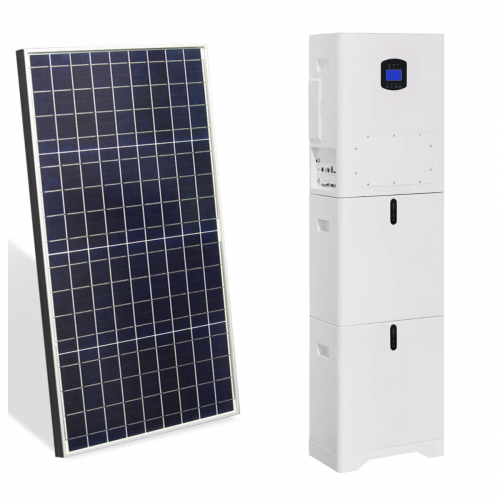
In practical application, the benefits of LiFePO4 batteries become vividly clear.For an RV or Van Conversion: The weight savings immediately translate to better fuel efficiency and more payload capacity for water and supplies. The ability to discharge the battery to 80-90% Depth of Discharge (DoD) without damage means users can power induction cooktops, laptops, and heaters for a full weekend without worrying about ruining the battery. The silent, maintenance-free operation is a welcome change from noisy generators or finicky lead-acid systems.For a Solar Power System: The high efficiency means more of the solar energy harvested during the day is actually available for use at night. The long cycle life ensures the battery bank will likely outlast the solar panels themselves, providing a stable return on investment. The safety aspect is crucial for a system that is often unattended in a garage or utility room.For Marine Use: The stability and safety are paramount on a boat, where flammable gases and harsh conditions are a concern. The consistent voltage ensures navigation electronics, autopilots, and communication devices receive clean, stable power. Furthermore, their resistance to vibration makes them more durable in a moving vessel.
Conclusion
The LiFePO4 battery represents a fundamental shift in energy storage technology. While the initial investment is substantial, its unparalleled cycle life, robust safety profile, and superior performance create a compelling value proposition for serious users. It is not necessarily the best choice for a casual user with minimal power needs, where a cheap lead-acid battery might suffice. However, for anyone relying on their off-grid power system for convenience, comfort, or critical functions—be it in a recreational vehicle, a boat, or a home—the LiFePO4 battery is an investment that pays dividends in reliability, peace of mind, and long-term performance. The comparison clearly shows that for demanding applications, LiFePO4 is the current gold standard.
Product Catalogs