Lifepo4 Battery Efficiency Review: Uncompromising Power And Longevity For The Modern User
In an era where our reliance on portable and backup power is greater than ever, the quest for a battery that is both powerful and dependable is paramount. Enter the Lithium Iron Phosphate (LiFePO4) battery, a technology that has moved from niche applications to mainstream consumer products. This review delves deep into the real-world efficiency of a modern LiFePO4 power station, examining whether its performance justifies the growing hype.
Product Functionality: More Than Just a Power Bank
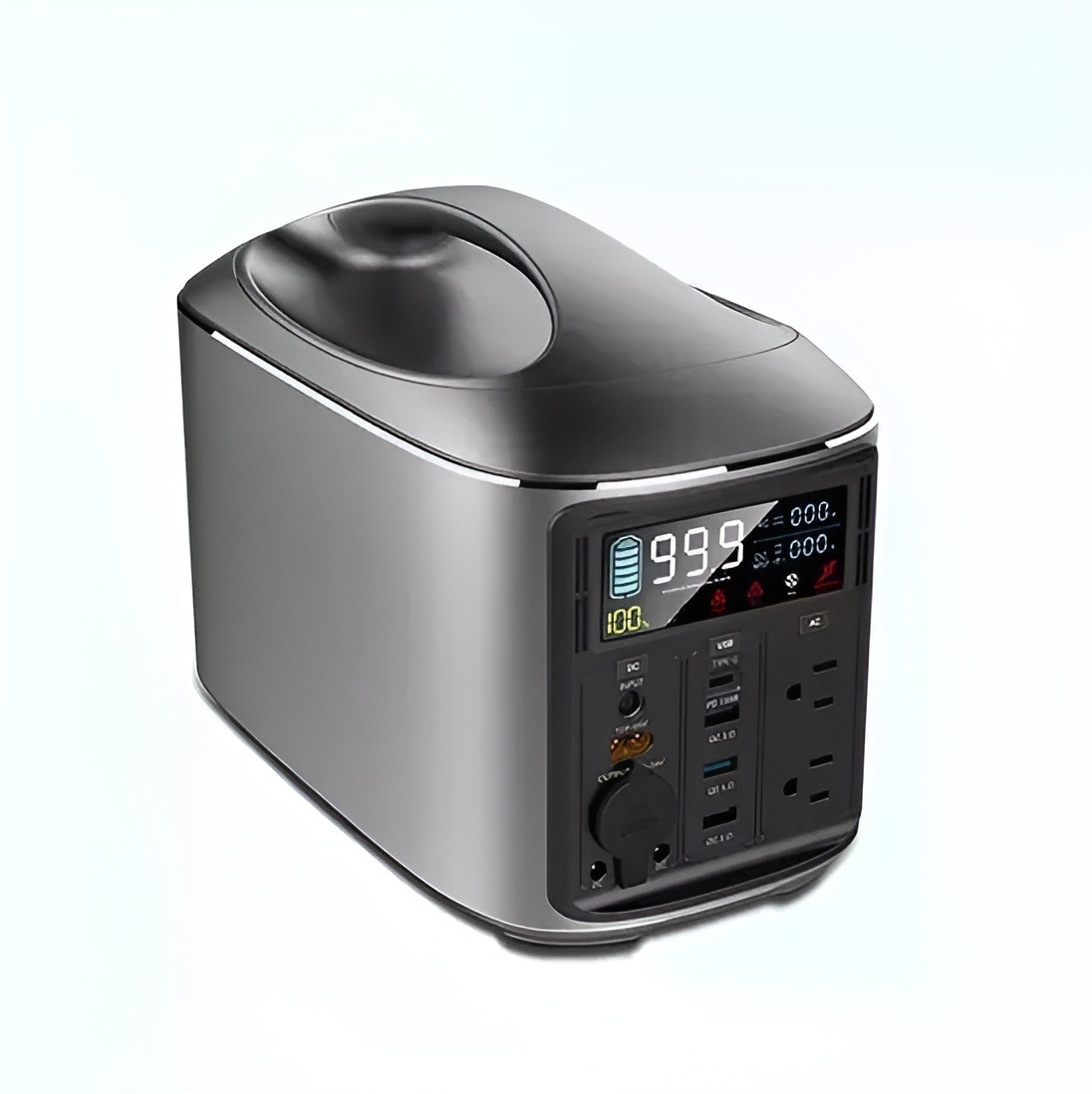
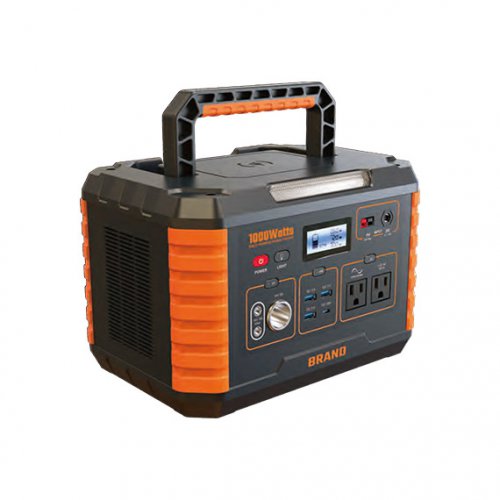
The unit under evaluation is a 1000Wh portable power station, squarely aimed at outdoor enthusiasts, remote workers, and homeowners seeking reliable backup power. Its core functionality is built around the LiFePO4 chemistry, which dictates its fundamental characteristics.Power Delivery: It features multiple output ports, including standard AC outlets, high-speed USB-C PD ports, USB-A ports, and a 12V DC carport. This allows it to power everything from smartphones and laptops to mini-fridges, CPAP machines, and small power tools.Power Intake (Charging): The station supports multiple charging methods: AC wall charging, solar panel input (with a wide MPPT range for optimal solar efficiency), and 12V car charging. A key feature is its rapid recharge capability, often going from zero to 80% capacity in under an hour with a compatible AC adapter.User Interface & Safety: A clear digital display shows remaining battery percentage, input/output wattage, and estimated runtime. Integrated Battery Management Systems (BMS) provide protection against over-voltage, over-current, short-circuiting, and extreme temperatures.Cycle Life: The most touted function, inherent to its chemistry, is its exceptional cycle life. The product is rated for thousands of charge-discharge cycles before its capacity degrades to a significant degree.
The Advantages: Where LiFePO4 Truly Shines
The efficiency of this battery is not a single metric but a combination of several compelling advantages.
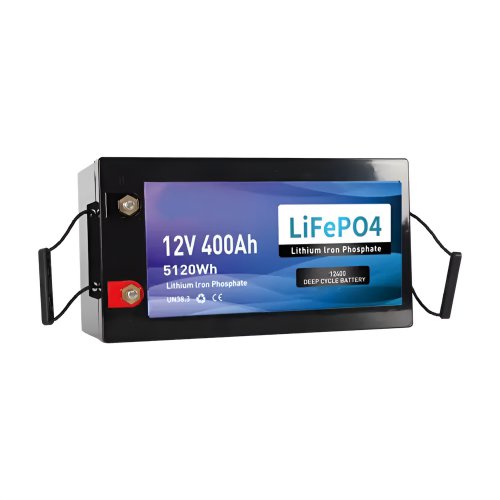
1. Exceptional Cycle Life and Long-Term Value: This is the cornerstone of LiFePO4 efficiency. Where a typical lithium-ion battery might offer 500-800 cycles, this LiFePO4 model is rated for over 3,000 cycles to 80% capacity. For a user performing a full cycle every day, this translates to over eight years of use. This longevity dramatically reduces the long-term cost and environmental waste, making it a profoundly efficient investment.
2. Unwavering Safety Profile: LiFePO4 chemistry is inherently more stable than other lithium-based chemistries. It is far more resistant to thermal runaway, the phenomenon that can lead to fires or explosions in stressed batteries. This intrinsic safety provides immense peace of mind, especially when used in vans, boats, or homes with children.
3. Consistent Voltage and Power Delivery: Unlike some batteries whose voltage sags as they discharge, the LiFePO4 power station maintains a stable voltage throughout most of its discharge cycle. This means a device like a laptop or a lamp will perform just as well at 90% capacity as it does at 20%. This "flat discharge curve" is a critical aspect of performance efficiency.
4. High Efficiency in Charge/Discharge: The unit exhibits low self-discharge and high round-trip efficiency. It loses only a small percentage of its charge per month when idle, and over 90% of the energy you put into it (from solar or the grid) is available for use, with minimal loss to heat.
The Disadvantages: Acknowledging the Trade-Offs
No technology is perfect, and LiFePO4 has its own set of compromises that must be considered.
1. Higher Upfront Cost: The most immediate barrier for many consumers is the price. A LiFePO4 power station is significantly more expensive than a lead-acid or standard lithium-ion power station of similar capacity. The value proposition lies entirely in its longevity, not its initial purchase price.
2. Lower Energy Density: LiFePO4 batteries are denser and heavier than their lithium-polymer or NMC (Nickel Manganese Cobalt) counterparts with the same energy capacity. While portable, this 1000Wh unit has a substantial heft to it, making it less ideal for ultralight backpacking and more suited for car-camping or semi-stationary use.
3. Performance in Extreme Cold: While excellent in high temperatures, LiFePO4 batteries can suffer from reduced charging efficiency in sub-freezing conditions. The built-in BMS will often prevent charging below 0°C (32°F) to protect the cells, which can be a limitation for winter expeditions without proper battery insulation.
Actual Usage Experience: Putting Theory to the Test
Over several weeks, the power station was subjected to a variety of scenarios.Weekend Camping Trip: The station effortlessly powered a 40W camping fridge, LED lights, and charged phones for a full three-day weekend. By the end, it still had 40% capacity remaining. The silent operation was a stark contrast to a gas generator. The weight was noticeable when loading the car but was a non-issue once on-site.Home Office Backup: During a planned power outage, it ran a fibre optic modem, a laptop, and a desk lamp for over 12 hours. The stable voltage ensured the internet connection never dropped, and the clear display made it easy to monitor power consumption.Recharging Speed: Using the provided 200W AC adapter, the station was recharged from 20% to 100% in just under 1.5 hours. This rapid turnaround is a game-changer, reducing downtime significantly compared to older technologies.
The user interface was intuitive, and the unit remained cool to the touch even under a sustained 500W load, a testament to its efficient power management and robust internal components.
Conclusion
The efficiency of this LiFePO4 battery-powered station is multifaceted. Its electrical efficiency is high, but its true brilliance lies in itstemporal and economic efficiency. The high initial cost is amortized over a lifespan that is several times longer than the competition, making it a wiser financial decision over a five-to-ten-year horizon.
It is not the best choice for every scenario. The weight-conscious backpacker or the user needing a single, emergency-use power bank might find it over-engineered and expensive. However, for anyone whose lifestyle or security depends on reliable, safe, and durable power—be it for van life, frequent camping, professional video production, or home emergency preparedness—the LiFePO4 power station represents a peak of battery technology. It delivers on its promise of uncompromising power and longevity, making it one of the most sensible and efficient energy investments available to the consumer today.
Product Catalogs