Lifepo4 Battery Review: Unpacking The Longevity, Safety, And Real-world Performance
The quest for reliable, safe, and long-lasting power storage has led many consumers and industries to Lithium Iron Phosphate (LiFePO4) technology. Moving beyond the hype, this review provides a comprehensive and objective look at LiFePO4 batteries, analyzing their core functions, distinct advantages, inherent limitations, and performance in practical scenarios.
Product Function and Core Technology
At its heart, a LiFePO4 battery is a type of lithium-ion battery, but its chemistry is fundamentally different from the more common Lithium Cobalt Oxide (LiCoO2) found in smartphones and laptops. The cathode material is composed of lithium iron phosphate, which defines its key characteristics.
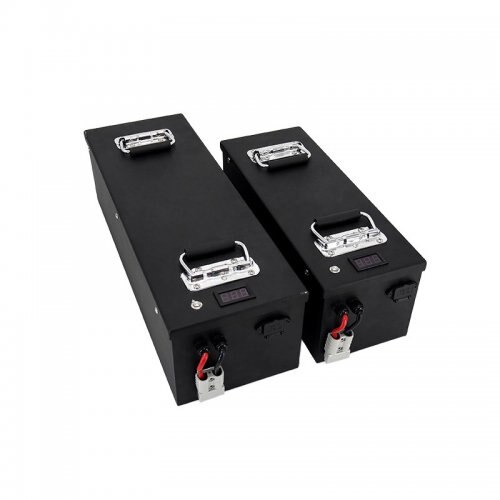
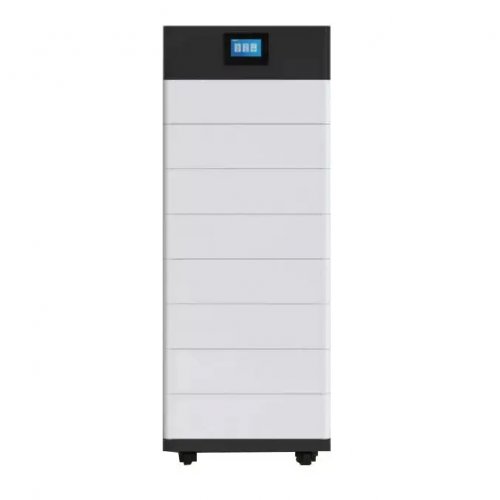
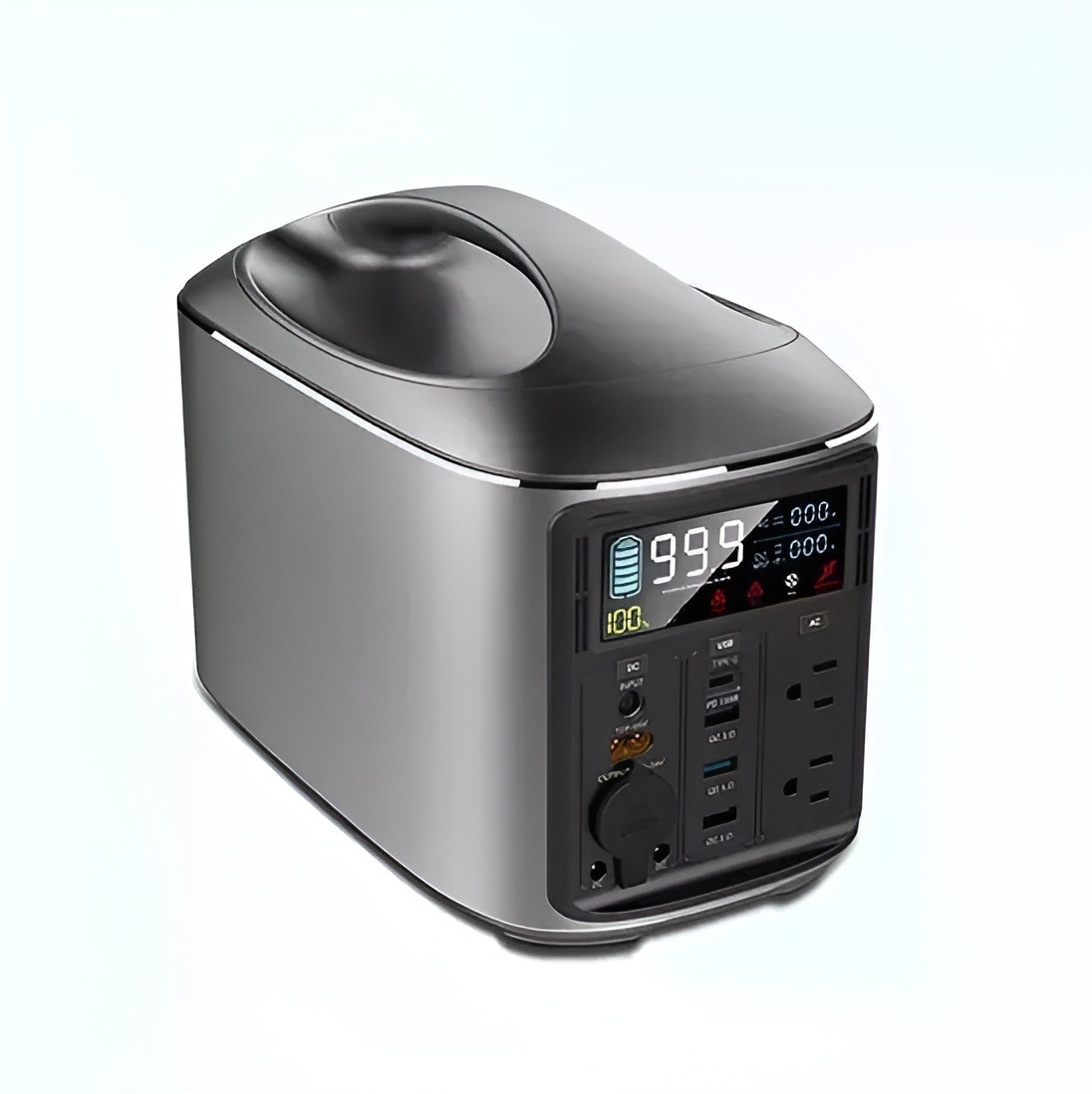
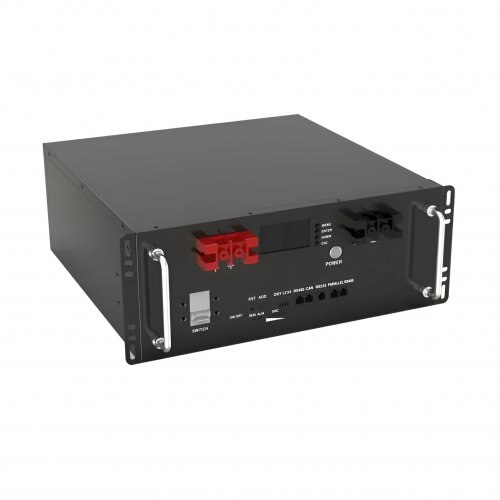
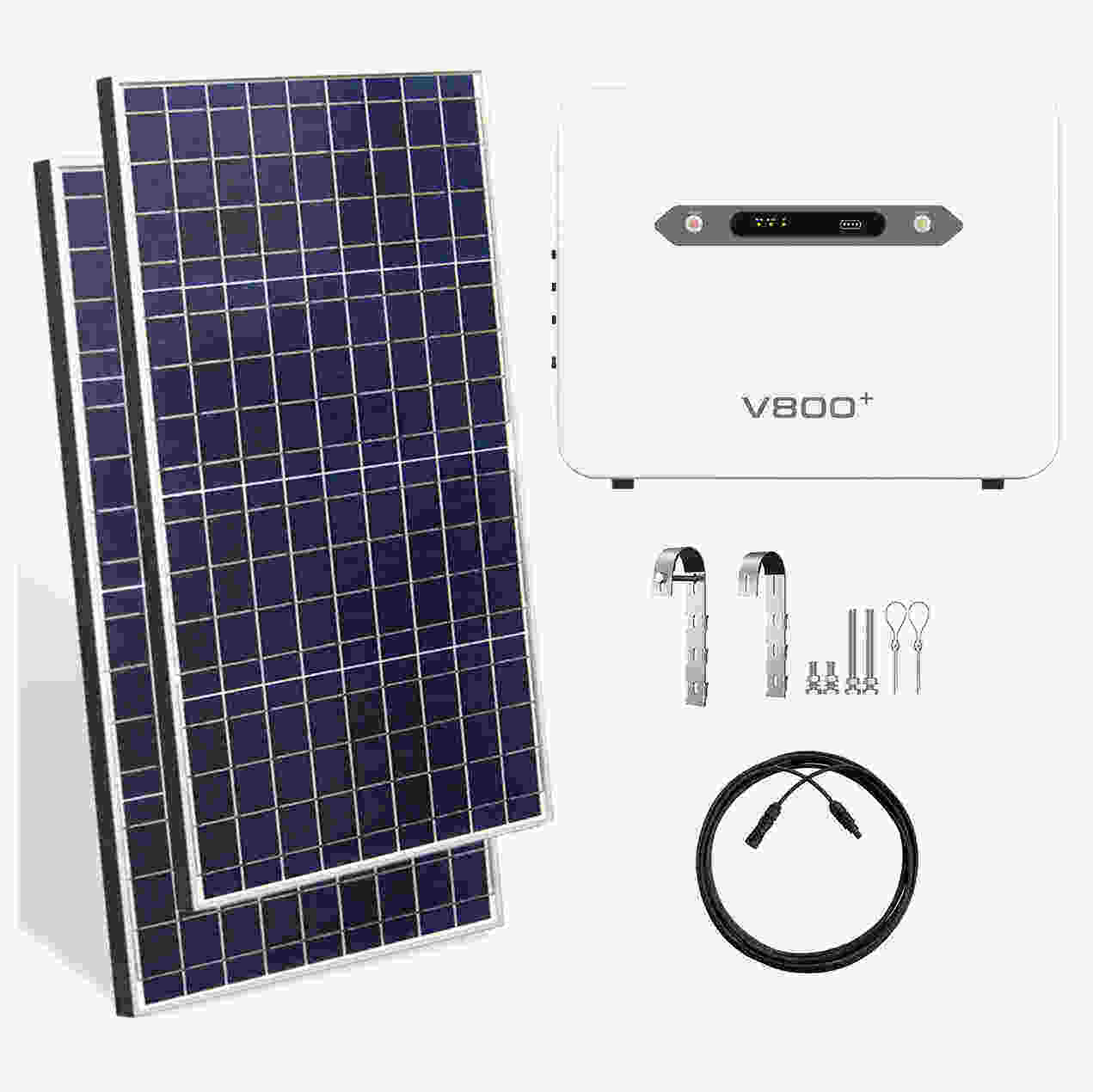
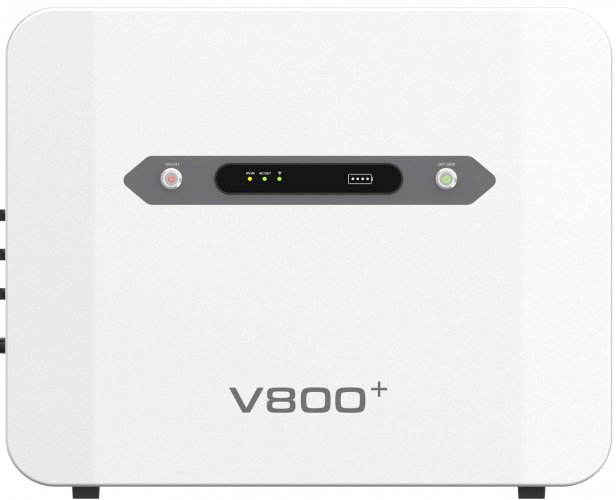
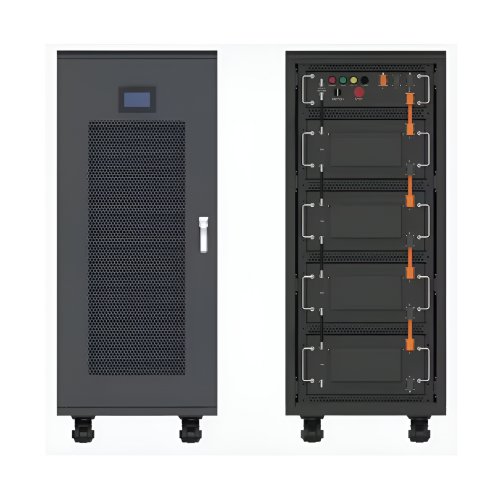
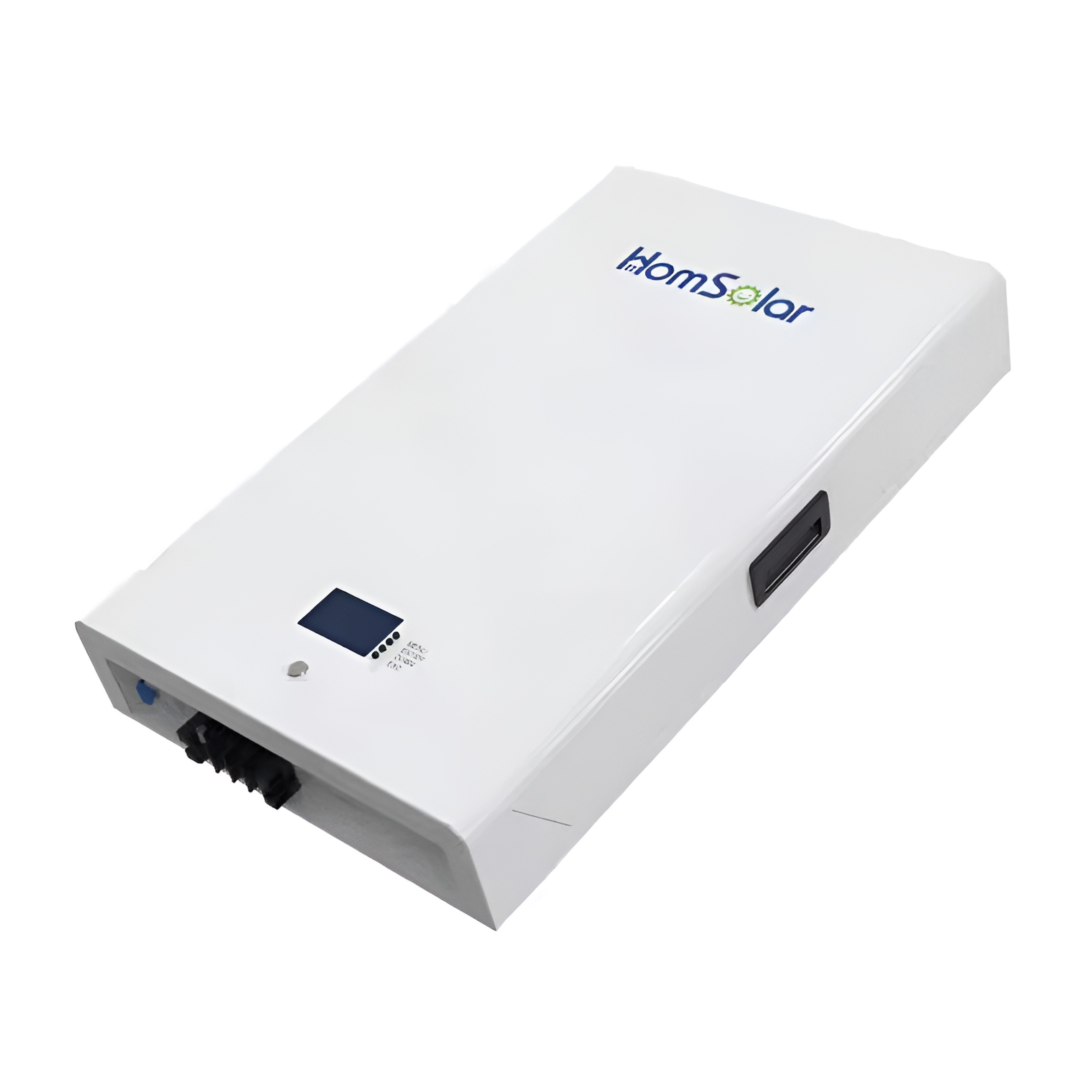
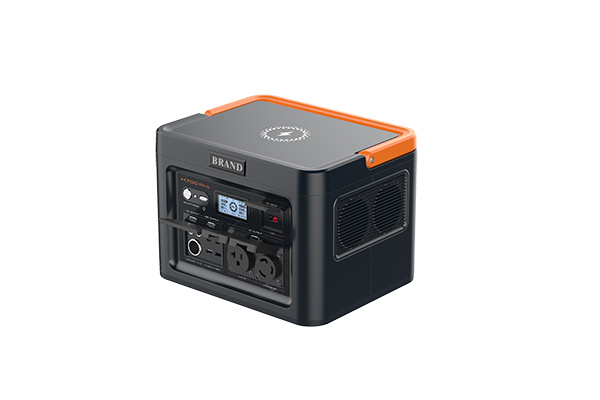
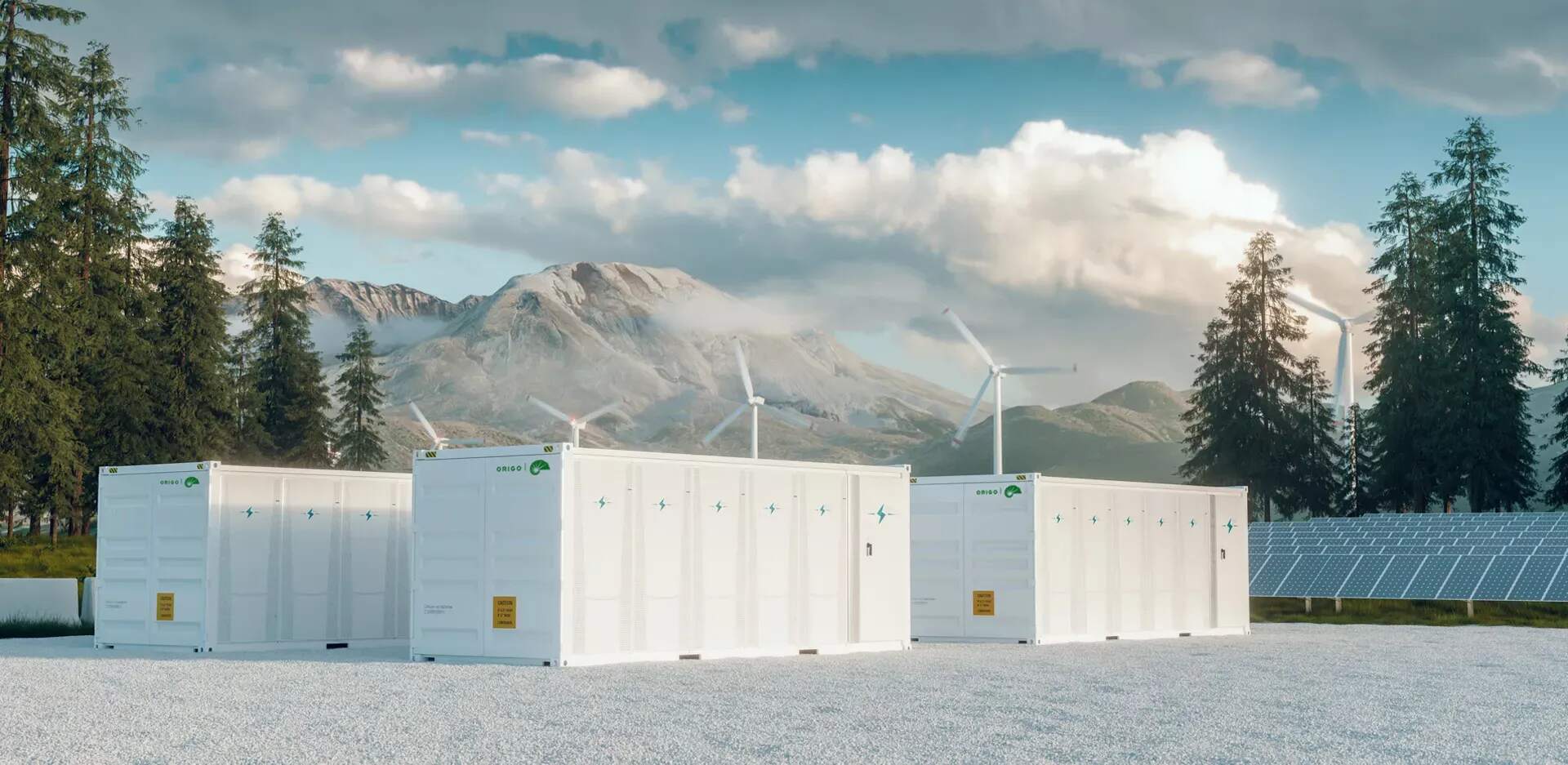
The primary function of any LiFePO4 battery is to store electrical energy and release it on demand. They are deployed in a vast array of applications, including:Solar Energy Storage: As a cornerstone for off-grid and backup power systems.Recreational Vehicles (RVs) and Marine Use: Powering appliances, lighting, and electronics on the move.Golf Carts and Electric Vehicles (LEVs): Providing the driving force for low-speed transportation.Portable Power Stations: Serving as the internal battery for popular consumer power stations.Uninterruptible Power Supplies (UPS): Offering critical backup for sensitive electronics.
Their value proposition lies not in the highest energy density, but in a superior balance of safety, cycle life, and stability.
The Advantages: Where LiFePO4 Batteries Excel
1. Exceptional Cycle Life: This is arguably the most significant advantage. A quality LiFePO4 battery can endure between 3,000 to 5,000 charge cycles while retaining 80% of its original capacity. Some premium models even exceed this. In practical terms, this translates to a lifespan of 10 years or more, drastically outperforming lead-acid batteries, which typically offer 300-500 cycles.
2. Enhanced Safety Profile: Safety is a paramount concern with any energy-dense technology. The LiFePO4 chemistry is inherently more stable. The phosphate cathode material is highly resistant to thermal runaway, a condition that can lead to fire or explosion in other lithium-ion batteries. They are far more resilient to overcharging, short-circuiting, and physical damage, making them a preferred choice for applications where safety cannot be compromised.
3. Stable Voltage and Power Delivery: LiFePO4 batteries maintain a remarkably consistent voltage throughout most of their discharge cycle. This "flat discharge curve" means that connected devices receive steady power without the performance drop-off associated with lead-acid batteries. For powering sensitive electronics or motors, this stable voltage is a major benefit.
4. Fast Charging Capability: These batteries can accept a much higher charge current compared to lead-acid equivalents. Where a lead-acid battery might require 6-8 hours for a full charge, a LiFePO4 battery can often be charged to 80-100% capacity in just one to two hours, depending on the charger.
5. Lightweight and Maintenance-Free: They are significantly lighter than lead-acid batteries of similar capacity, which is a critical factor for RVs, marine, and portable applications. Furthermore, they require no periodic watering or equalization charges, eliminating routine maintenance.
The Disadvantages: Acknowledging the Trade-Offs
1. Higher Initial Cost: The most immediate barrier for many consumers is the upfront cost. A LiFePO4 battery can be two to three times more expensive than a comparable lead-acid battery. However, this must be evaluated against its vastly longer lifespan, making it often more cost-effective over time.
2. Lower Energy Density: While superior to lead-acid, LiFePO4 batteries have a lower energy density by volume and weight compared to other lithium-ion chemistries like NMC (Nickel Manganese Cobalt). This means that for a given physical size, an NMC battery might store more energy. For applications where maximizing runtime in the smallest possible package is the absolute priority, this can be a drawback.
3. Performance in Sub-Freezing Temperatures: LiFePO4 batteries cannot bechargedat temperatures below 0°C (32°F) without risking permanent damage to the plates. While they can be discharged in cold weather, the charging limitation requires careful system design for applications in cold climates, often necessitating built-in or external heating systems.
4. Requires a Specific Battery Management System (BMS): To operate safely and efficiently, every LiFePO4 battery requires a sophisticated BMS. While this is a standard component, a failure in the BMS can render the battery unusable, adding a potential point of failure that is less complex in basic lead-acid systems.
Actual Use Experience
In real-world testing, the theoretical benefits of LiFePO4 batteries become tangible. In an RV application, users report a transformative experience. The ability to power air conditioning, a microwave, and induction cooktops without generator reliance is a game-changer, enabled by the battery's ability to deliver high power consistently and recharge quickly via solar panels.
The weight savings are immediately noticeable. Replacing 100 lbs of lead-acid batteries with 30 lbs of LiFePO4 capacity improves vehicle handling and fuel efficiency. The peace of mind is another frequently cited benefit; users feel comfortable leaving their RVs or boats plugged in for long periods without worrying about overcharging or the need to check water levels.
For solar off-grid systems, the long cycle life means the battery bank is a "set it and forget it" component for a decade or more. The high efficiency (typically 95-98%) means more of the solar energy harvested is actually used, rather than lost as heat during charging and discharging.
The primary challenge observed is the initial setup. Users must ensure their existing charger or inverter/charger is compatible with LiFePO4 voltage profiles. Using an incompatible lead-acid charger will result in subpar performance and can shorten the battery's life. The cold-weather charging limitation also requires foresight; an unexpected cold snap can halt solar charging until temperatures rise or a heating solution is activated.
Conclusion
The LiFePO4 battery is not a one-size-fits-all solution, but it represents a technological leap forward for specific use cases. Its high initial cost is a significant investment that is justified over the long term by its unparalleled cycle life, robust safety, and superior performance characteristics.
It is an ideal choice for users who prioritize longevity and safety in applications like solar energy storage, marine, RVing, and backup power. For those who need the absolute maximum energy density in the smallest package for a short-lived consumer device, other lithium chemistries may still hold an edge. However, for a reliable, "install and ignore" power source that will deliver steady performance for thousands of cycles, the LiFePO4 battery stands as a compelling and objectively superior choice in the modern energy storage landscape.
Product Catalogs