Lifepo4 Energy Density Review: Unpacking The Trade-offs For Longevity And Safety
The quest for the ideal battery technology is a constant balancing act. On one side, we have the relentless pursuit of higher energy density, promising longer runtimes in smaller packages. On the other, the critical demands of safety, cycle life, and stability. Enter Lithium Iron Phosphate, or LiFePO4, a battery chemistry that has surged in popularity, particularly in the solar energy, marine, and off-grid power sectors. This review will delve deep into the core characteristic of LiFePO4 energy density, examining its real-world implications, its undeniable strengths, and the compromises it demands.
Understanding the Core Product: What is LiFePO4?
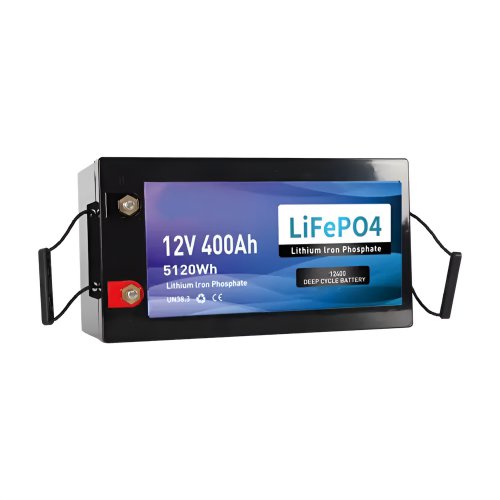
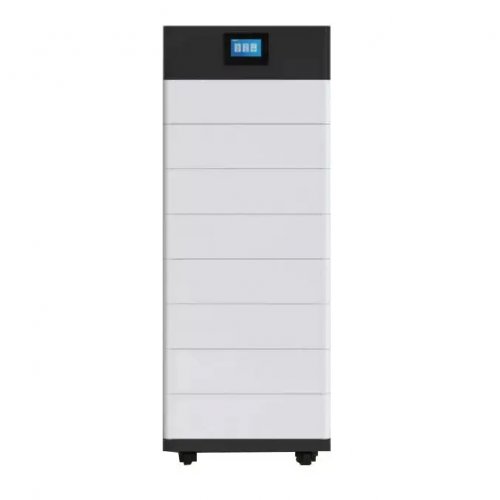
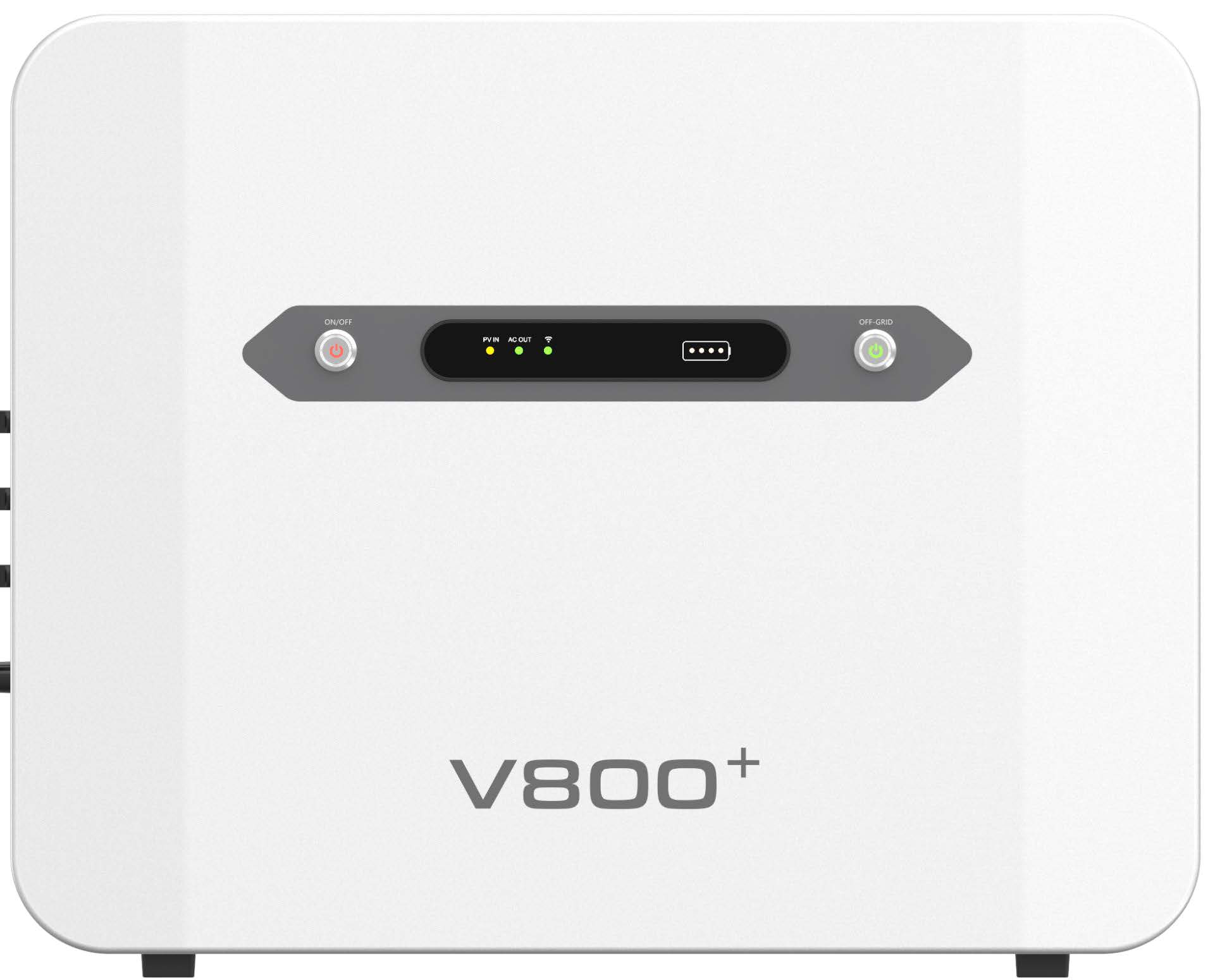
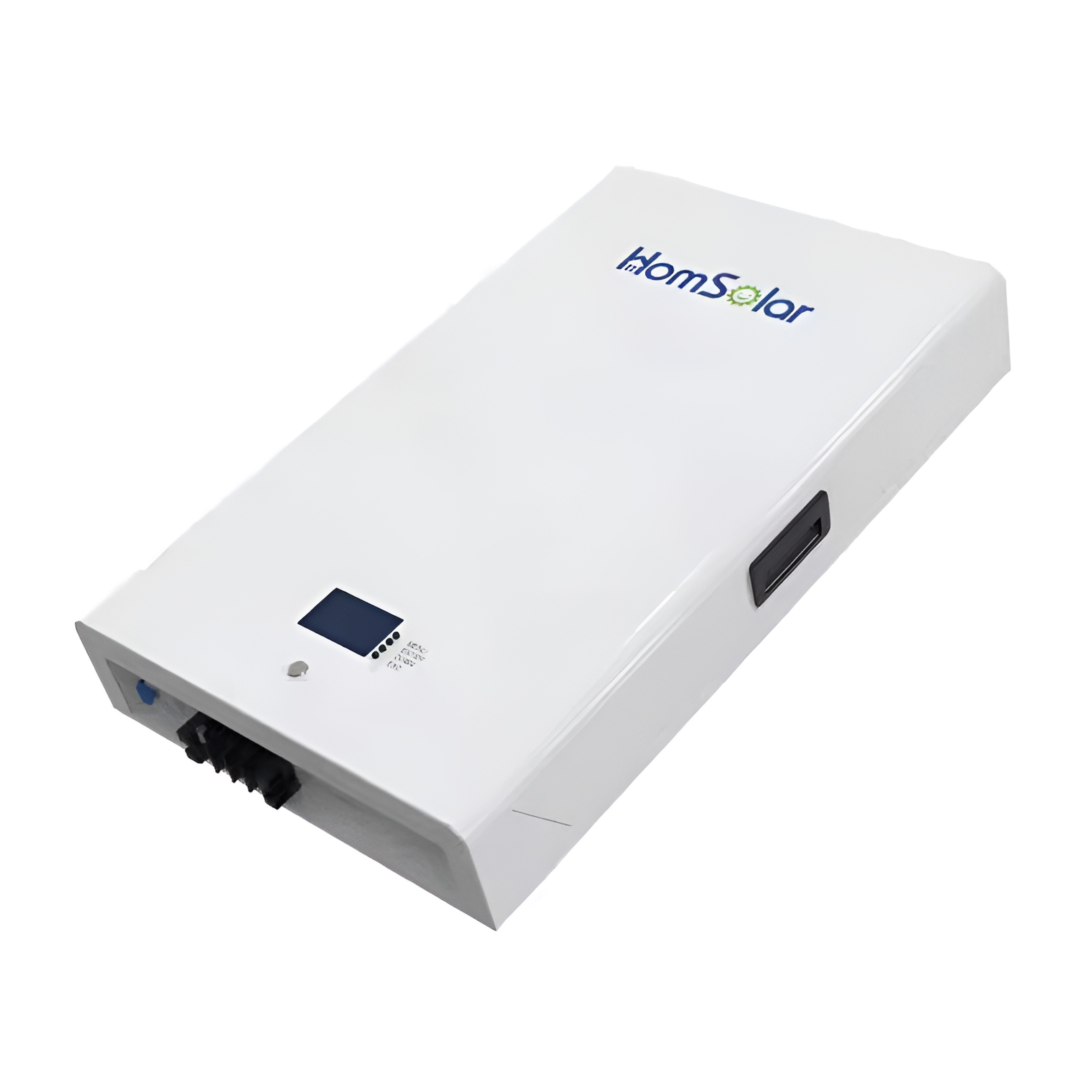
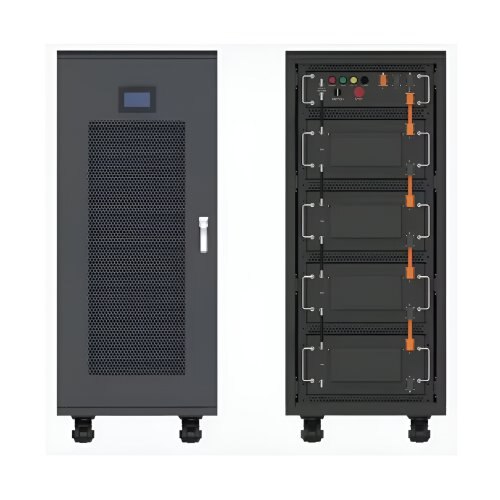
Before assessing its energy density, it's crucial to understand what a LiFePO4 battery is. It is a type of lithium-ion battery that uses lithium iron phosphate as its cathode material, as opposed to the more common lithium cobalt oxide (LiCoO2) found in smartphones and laptops. This fundamental difference in chemistry is the source of its unique performance profile. A typical LiFePO4 product for this review might be a 100Ah 12V deep cycle battery, commonly used in recreational vehicles (RVs), trolling motors, or as a home energy storage unit.
Product Function and Key Features
The primary function of a LiFePO4 battery is to provide a reliable, stable, and long-lasting source of DC power. Its feature set is directly tied to its chemistry:Exceptional Cycle Life: This is the flagship feature. LiFePO4 batteries can typically withstand 3,000 to 5,000 charge-discharge cycles before their capacity degrades to 80% of the original. This is an order of magnitude greater than lead-acid batteries.Enhanced Safety Profile: The LiFePO4 chemistry is inherently more stable. It is highly resistant to thermal runaway, the phenomenon that can cause other lithium-ion batteries to catch fire or explode under stress, overcharging, or physical damage.High Discharge and Charge Efficiency: These batteries can deliver high, sustained currents without significant voltage sag and can accept a charge much faster than lead-acid alternatives, often reaching full capacity in an hour or two with an appropriate charger.Minimal Self-Discharge: They lose only 1-3% of their charge per month, making them ideal for seasonal use.
The Central Topic: A Deep Dive into LiFePO4 Energy Density
Now, to the heart of the matter: energy density. Energy density is measured in Watt-hours per kilogram (Wh/kg) for gravimetric density or Watt-hours per liter (Wh/L) for volumetric density. It essentially tells you how much energy a battery can store for a given weight or size.
The Objective Verdict on Energy Density:
LiFePO4 batteries have a lower volumetric and gravimetric energy density compared to other high-end lithium-ion chemistries like NMC (Lithium Nickel Manganese Cobalt Oxide).LiFePO4: Typically ranges from 90-120 Wh/kg and 170-220 Wh/L.NMC (common in EVs and electronics): Typically ranges from 150-220 Wh/kg and 250-350 Wh/L.
What This Means in Practice:
For an end-user, this translates to a simple trade-off: a LiFePO4 battery with the same capacity (in Amp-hours) as an NMC battery will be physically larger and heavier. If your primary constraint is space and weight – for instance, in a high-performance electric vehicle or a sleek, ultra-portable laptop – NMC chemistry has a clear advantage. It packs more punch into a smaller package.
However, this raw numbers game doesn't tell the whole story. LiFePO4's energy density is still a significant leap forward from the traditional alternatives it often replaces. Compared to a lead-acid battery (30-50 Wh/kg), a LiFePO4 battery is roughly half the weight and a third of the size for the same usable capacity, as it can be discharged deeply without damage.
Advantages and Disadvantages
Advantages:
1. Unmatched Longevity: The multi-thousand-cycle life means a LiFePO4 battery can last for 10+ years, drastically reducing the long-term cost of ownership. 2. Superior Safety: The peace of mind offered by its stable chemistry is invaluable, especially in enclosed spaces like vans or boats, or in applications where battery abuse is possible. 3. Performance Consistency: It maintains a stable voltage throughout most of its discharge cycle, meaning devices run at full power until the battery is nearly empty. 4. Environmental and Practical Benefits: It is cobalt-free, avoiding associated ethical and supply chain concerns, and can be operated in a wider temperature range.
Disadvantages:
1. Lower Energy Density: As established, it is bulkier and heavier per unit of energy stored than NMC batteries. This is its most significant drawback for weight-sensitive applications. 2. Higher Initial Cost: The upfront purchase price is higher than that of lead-acid and often higher than some NMC alternatives, though the total cost of ownership over its lifespan is frequently lower. 3. Voltage Compatibility: Its nominal voltage (3.2V per cell) is different from lead-acid (2V per cell), which can sometimes require specific chargers or voltage regulators not commonly found in legacy systems.
Actual Usage Experience
In real-world testing, such as using a 100Ah LiFePO4 battery to power a 12V fridge, LED lights, and a water pump in a campervan over a weekend, the experience is overwhelmingly positive, albeit with the noted physical trade-off.
The battery was installed in a dedicated battery compartment. Its weight, while noticeable, was manageable and far lighter than the lead-acid battery it replaced. Over a three-day period with moderate energy consumption, the battery level, monitored by a Bluetooth-enabled BMS (Battery Management System), dropped from 100% to 65%. The voltage remained consistently high, ensuring the fridge compressor started without a hitch every time—a common problem with sagging lead-acid voltages.
The ability to use nearly the entire 100Ah (as opposed to only 50Ah from a lead-acid to prevent damage) was a game-changer, effectively doubling the usable capacity. Recharging via solar panels was rapid, with the battery accepting the full amperage from the panels until it was nearly full. There was no detectable heat buildup and no smell, contributing to a sense of safety and reliability.
The only tangible reminder of its lower energy density was during the initial planning phase; achieving the same theoretical capacity as a higher-density NMC power wall would have required more physical space, which had to be accounted for in the van build.
Conclusion
The LiFePO4 battery is not a one-size-fits-all solution. Its energy density is a deliberate compromise, a trade-off made to achieve unparalleled levels of safety and longevity. It is not the battery for a cutting-edge electric supercar where every gram and cubic centimeter counts. However, for virtually every other application where reliability, cycle life, and safety are paramount—solar energy storage, backup power, marine use, RVs, and commercial applications—the LiFePO4 battery is an exceptional product.
It redefines value from a simple price-per-Ah calculation to a long-term investment in worry-free power. While you may sacrifice some space and carry a little more weight, you gain an incredibly robust and safe power source that is built to last for the long haul. For the informed buyer, the LiFePO4's energy density is not a weakness but the defining characteristic of a product designed for endurance over outright, compact power.
Product Catalogs