Lifepo4 Energy Density Review: Unpacking The Trade-offs For Longevity And Safety
The quest for the ideal battery technology is a constant balancing act. On one side, we have the relentless pursuit of higher energy density, promising longer runtimes in smaller packages. On the other, the critical demands of safety, cycle life, and stability. Enter Lithium Iron Phosphate, or LiFePO4, a battery chemistry that has surged in popularity, particularly in the solar energy, marine, and off-grid power sectors. This review will delve deep into the core characteristic of LiFePO4 energy density, examining its real-world implications, functional benefits, and the inherent trade-offs that define its place in the modern energy landscape.
Product Function and Core Technology
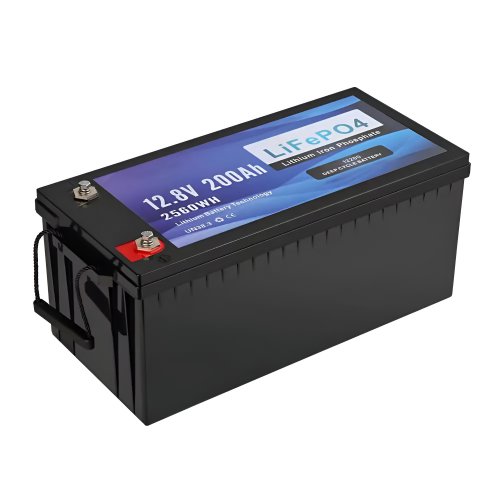
At its heart, a LiFePO4 battery is a type of lithium-ion battery, but it distinguishes itself through its cathode material. Instead of using cobalt or manganese oxides found in common lithium-ion batteries, it utilizes lithium iron phosphate. This fundamental chemical difference is the source of its unique property profile.
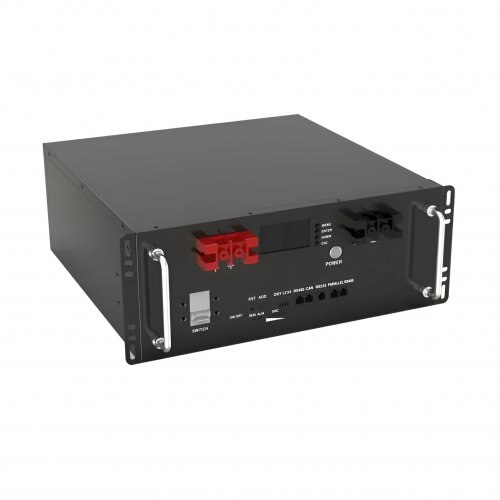
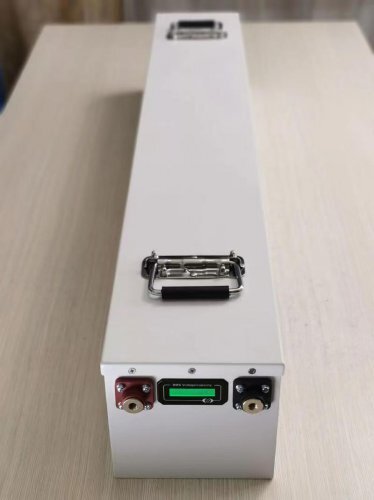
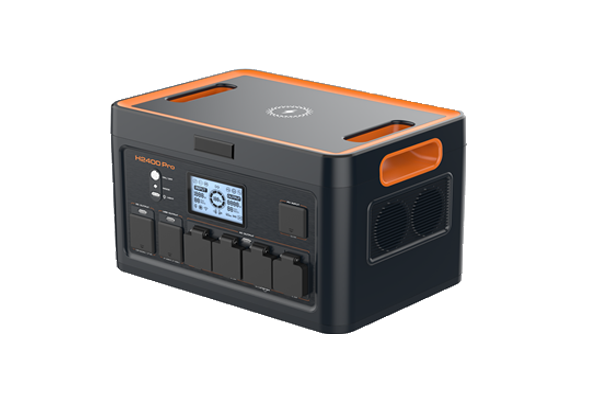
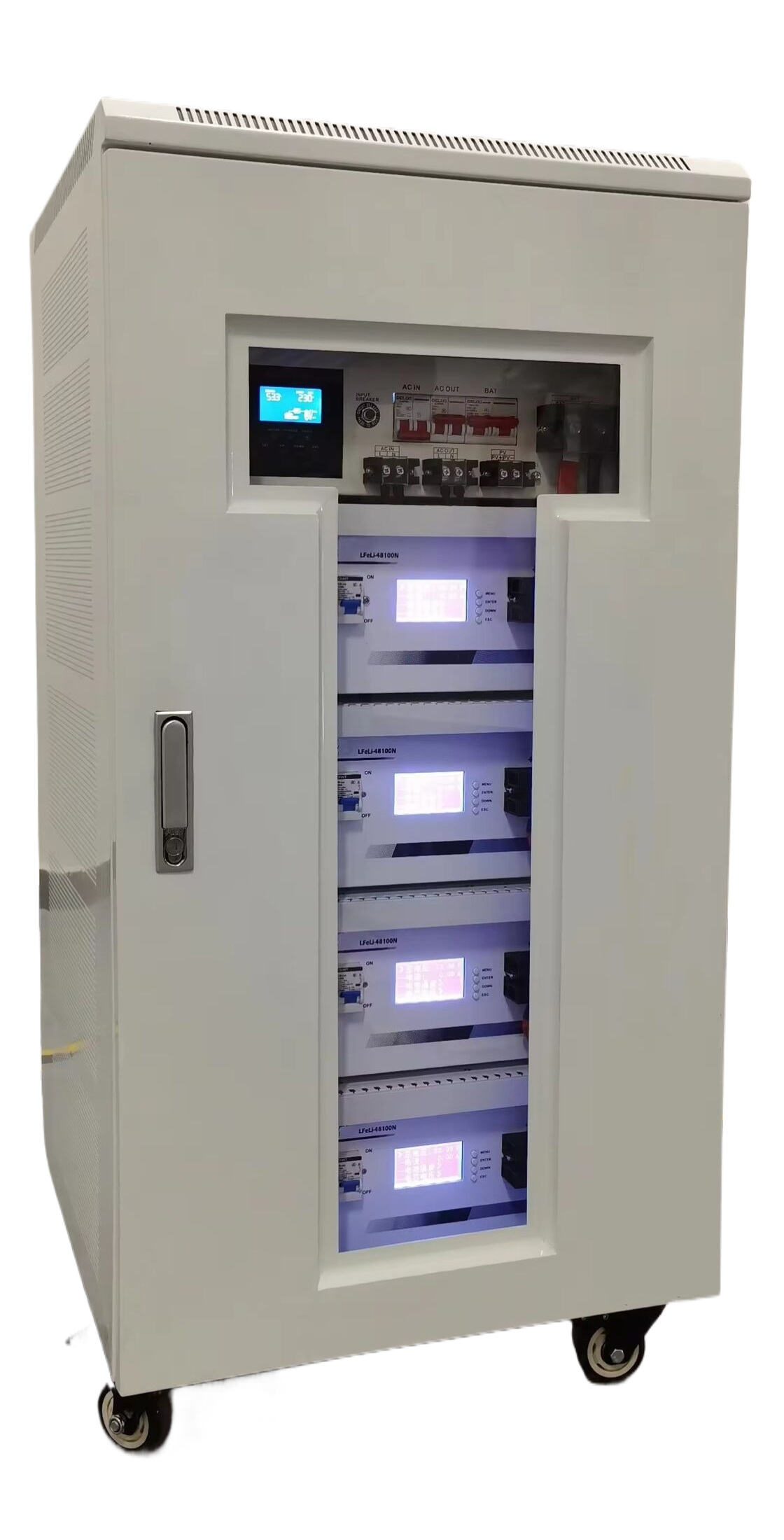
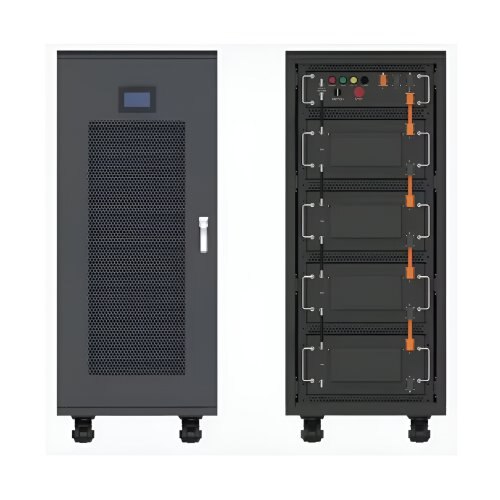
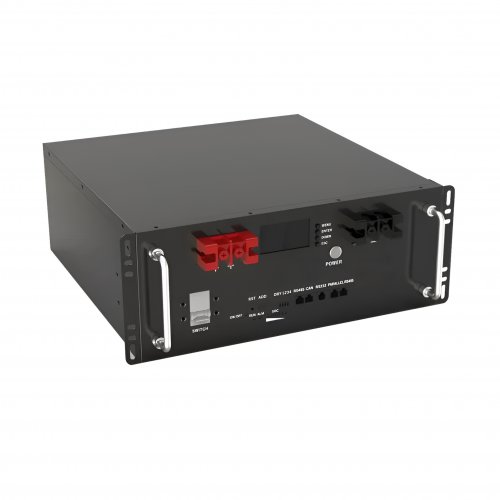
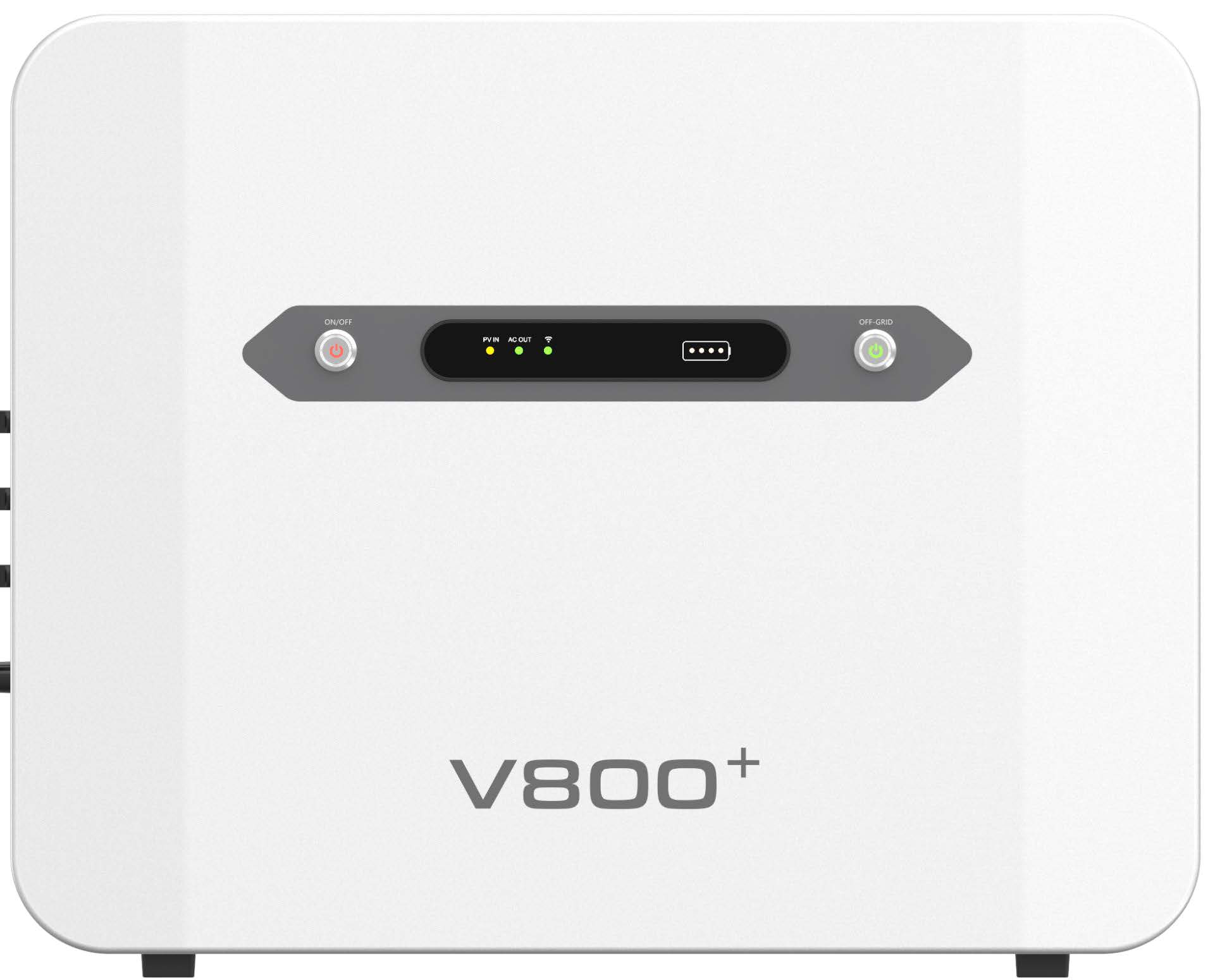
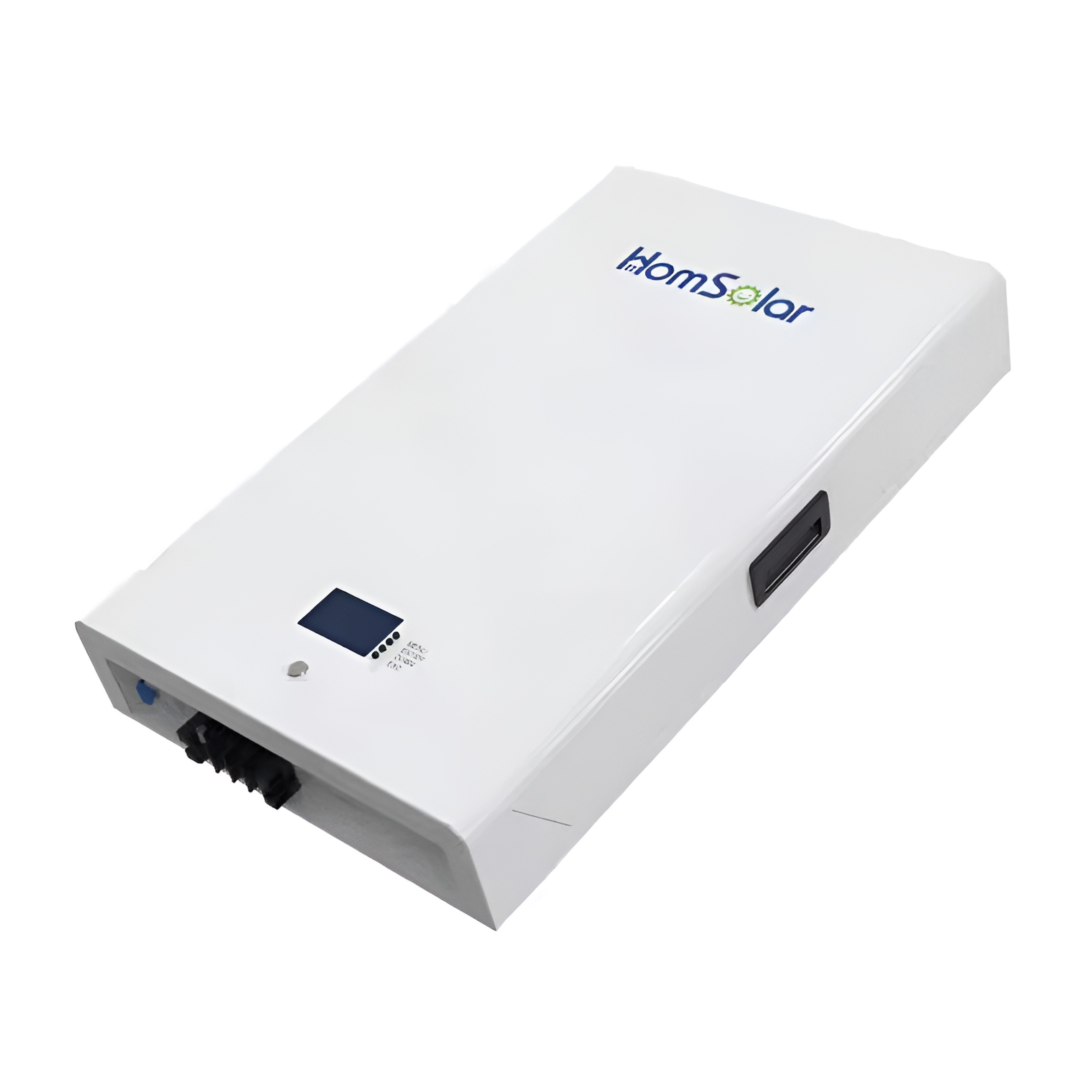
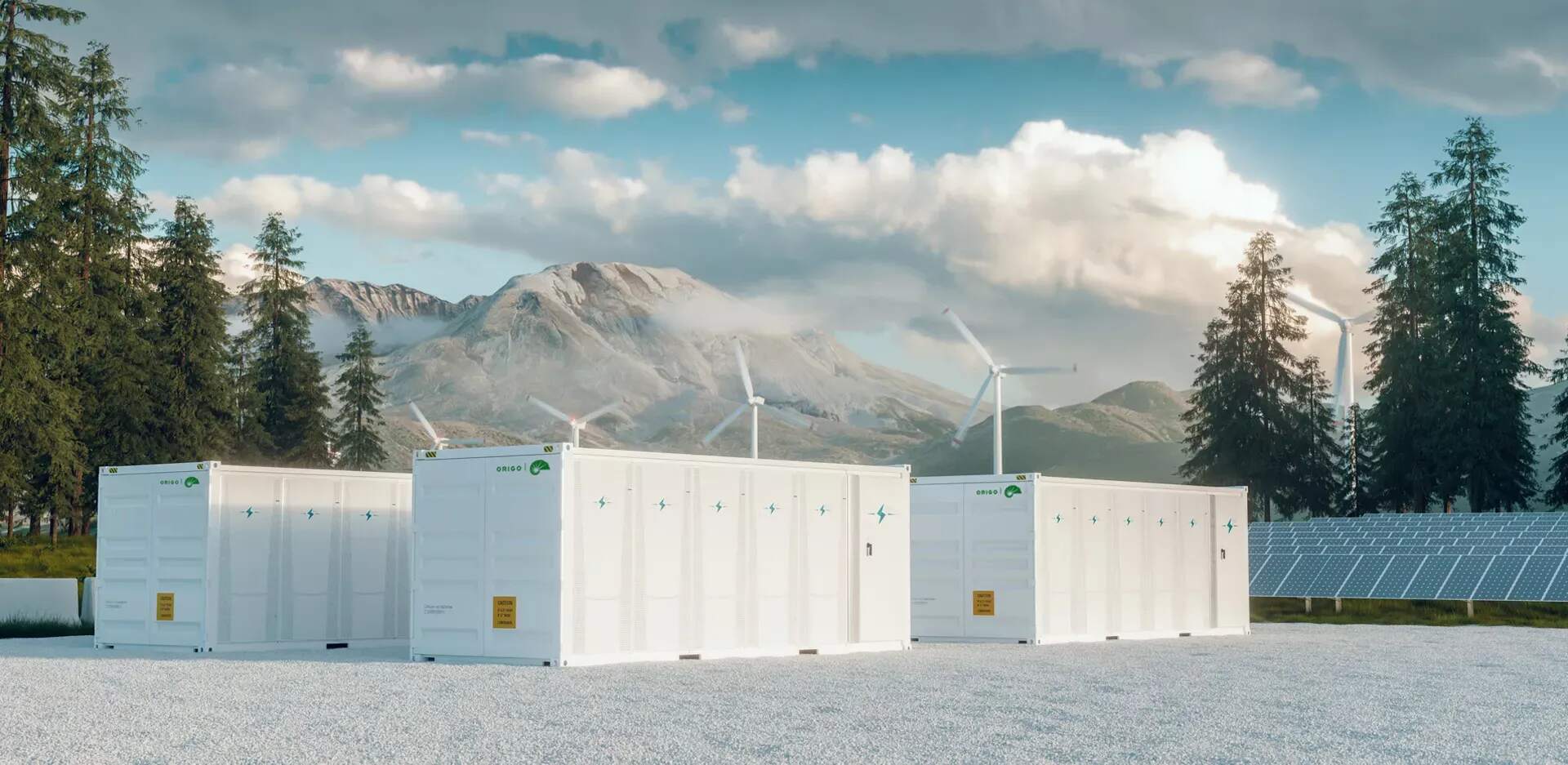
The primary function of a LiFePO4 battery is to provide a reliable, rechargeable source of DC power. Its applications are vast and growing:Renewable Energy Storage: Serving as the backbone for solar power systems, storing energy for use at night or during low-production periods.Recreational Vehicles (RVs) and Boats: Providing a stable and safe power source for appliances, lighting, and electronics away from the grid.Electric Vehicles (EVs): Particularly in commercial vehicles, buses, and scooters where safety and battery longevity are paramount.Portable Power Stations: An increasing number of consumer-grade power stations are adopting LiFePO4 chemistry for its durability.Uninterruptible Power Supplies (UPS): Ensuring critical systems remain online during power outages.
The performance in all these functions is directly influenced by its energy density, which is the measure of how much energy a battery can store in a given volume (volumetric energy density in Wh/L) or mass (gravimetric energy density in Wh/kg).
The Advantages: Beyond the Raw Numbers
While the raw numbers for energy density are a starting point, the advantages of LiFePO4 become clear when viewed in the context of its entire lifecycle and performance envelope.
1. Exceptional Cycle Life: This is arguably the most compelling advantage. A quality LiFePO4 battery can endure 3,000 to 5,000 charge cycles while retaining 80% of its original capacity. Compared to the 300-500 cycles of a lead-acid battery or the 500-1,000 of a typical NMC (Nickel Manganese Cobalt) lithium-ion, this is a monumental leap. For a user, this translates to a decade or more of daily use, drastically reducing the long-term cost of ownership.
2. Superior Safety Profile: The LiFePO4 chemistry is inherently stable. It has a much higher thermal runaway threshold, meaning it can withstand higher temperatures before becoming unstable. The phosphate cathode material is also non-combustible, making it far less prone to catching fire or exploding under stress, such as overcharging or physical damage. This safety is a non-negotiable feature for home energy storage or applications in confined spaces like an RV.
3. Stable Voltage Output: LiFePO4 batteries maintain a remarkably consistent voltage throughout most of their discharge cycle. This means devices and appliances run at peak efficiency until the battery is nearly depleted, unlike lead-acid batteries whose voltage sags progressively, leading to dimming lights and slower motors.
4. Fast Charging Capability: These batteries can typically accept a much higher charge current than their lead-acid counterparts. Where a lead-acid battery might require 5-8 hours for a full charge, a LiFePO4 battery can often be charged to 80-90% capacity in an hour or two, provided the charger is sufficiently powerful.
The Disadvantages: The Energy Density Compromise
The primary and most frequently cited disadvantage of LiFePO4 technology is its lower energy density.
1. Lower Gravimetric and Volumetric Density: A typical LiFePO4 battery has an energy density of around 90-120 Wh/kg. In contrast, advanced NMC lithium-ion batteries can achieve 150-250 Wh/kg. This means that for the same weight or volume, an NMC battery will store more energy. In practical terms, an electric car using LiFePO4 would have a shorter range for the same battery weight, or a portable power station would be larger and heavier for the same kilowatt-hour capacity.
2. Higher Initial Cost: The upfront cost of a LiFePO4 battery is higher than that of a lead-acid battery and often more than some standard lithium-ion alternatives. While the cost-per-cycle over its lifetime is often lower, the initial investment can be a barrier for budget-conscious consumers.
3. Performance in Sub-Zero Temperatures: While LiFePO4 batteries operate well across a wide temperature range, they generally cannot bechargedat temperatures below 0°C (32°F) without an integrated heating system. Doing so can cause permanent damage. This requires careful system design for users in cold climates.
Actual Use Experience
Living with a LiFePO4 battery system, such as in a solar-powered cabin or an RV, reveals its true character. The initial setup is straightforward, though it requires a compatible lithium-specific charger to maximize performance and lifespan.
In daily use, the "set-and-forget" nature is a significant benefit. There is no need for the regular maintenance or watering required by flooded lead-acid batteries. The peace of mind regarding safety is palpable, especially when the battery bank is installed inside a living space. The ability to discharge the battery deeply to 80-90% Depth of Discharge (DoD) without causing damage, compared to the 50% DoD recommended for lead-acid, effectively means you have access to almost all of the rated capacity. This dramatically increases usable energy, partially offsetting the lower energy density on paper.
The long cycle life becomes a reality over time. After two years of daily cycling, a well-maintained LiFePO4 battery shows negligible capacity loss, whereas a lead-acid battery would be nearing the end of its useful life. The fast charging is a game-changer; on a sunny day, solar panels can pump energy back into the batteries rapidly, making the system highly responsive.
The weight and size disadvantage is felt most acutely in mobile applications where every kilogram and cubic centimeter counts. For a backpacking portable power bank, LiFePO4 is often passed over for higher-density NMC. However, for a van conversion or a boat, where the battery is mounted in a fixed location and safety is the top priority, the trade-off is almost universally considered worthwhile.
Conclusion
The LiFePO4 battery is not a one-size-fits-all solution. Its review must be centered on its core compromise: a sacrifice in absolute energy density for a monumental gain in safety, cycle life, and long-term reliability. It is a technology built for endurance, not for winning spec-sheet wars.
For applications where the battery is a long-term investment, where safety is paramount, and where the system can be designed around its slightly larger physical footprint, LiFePO4 is an outstanding choice. It redefines value from a low initial price to a low total cost of ownership over a decade or more. While it may not power the next ultra-thin laptop or a record-breaking EV on its own, for the growing market of stationary storage and robust mobile power, LiFePO4, with its unique energy density profile, stands as a testament to the principle that sometimes, the best technology is not the one with the highest number, but the one you can trust for the longest time.
Product Catalogs