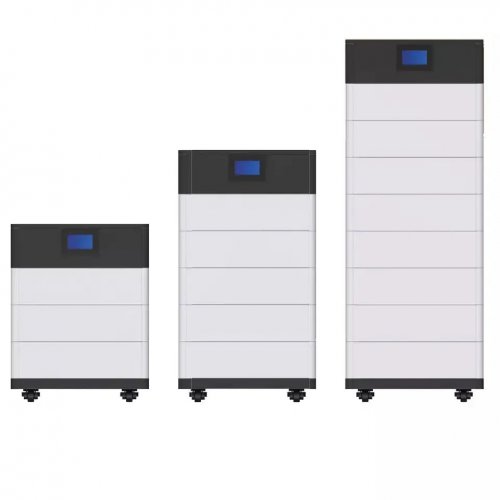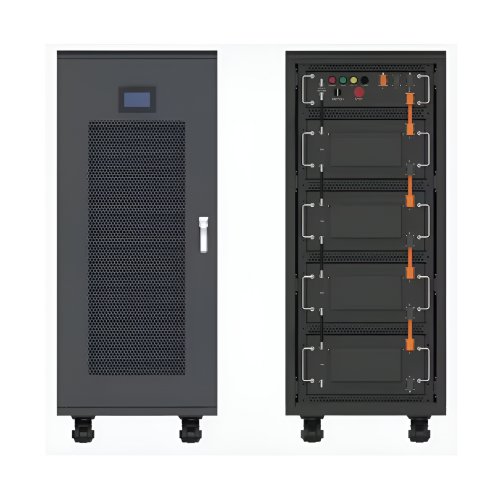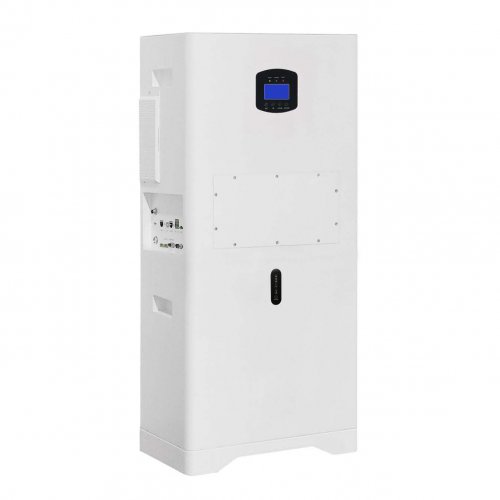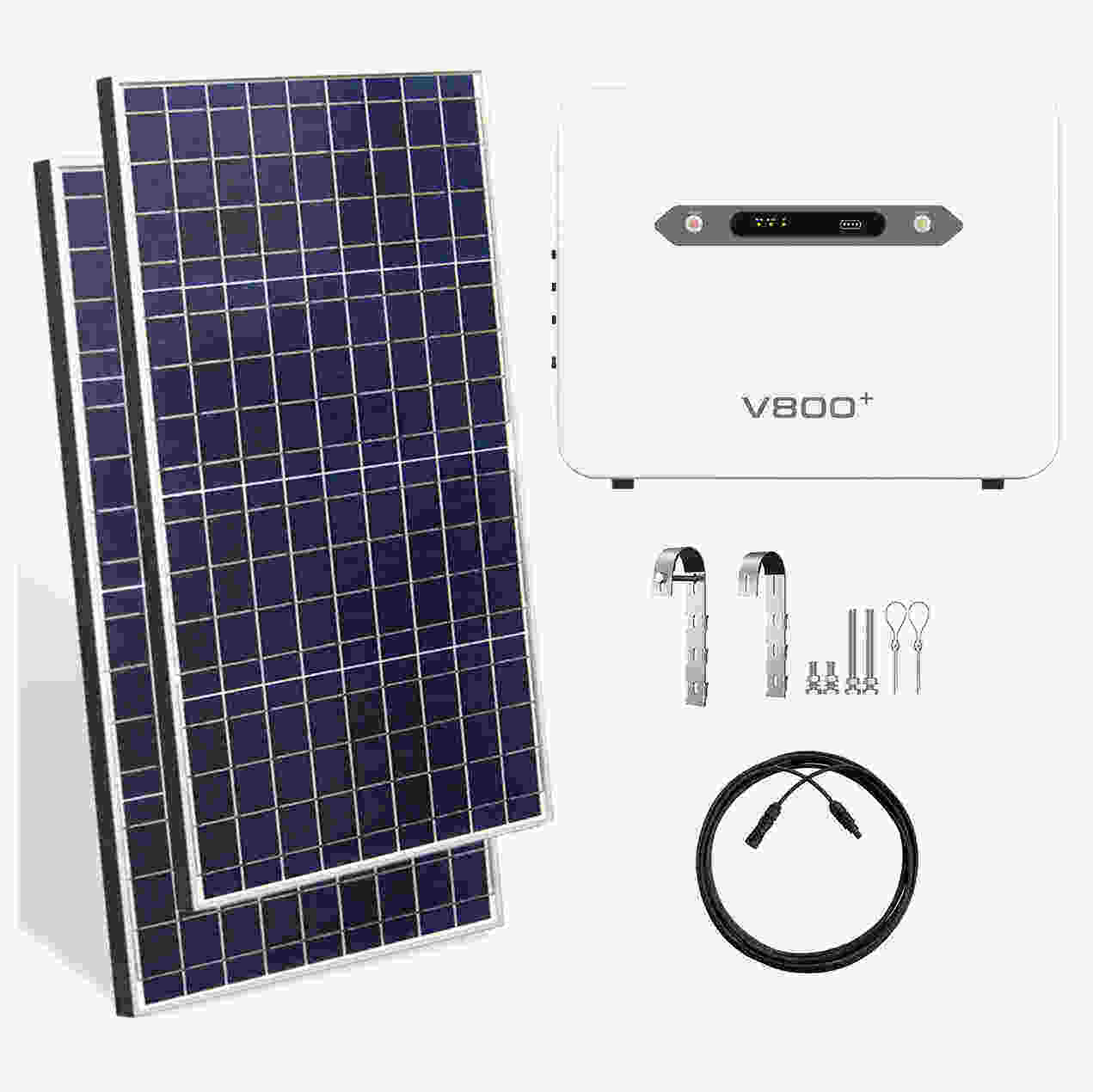
Lifepo4 Safety Review: Unmatched Stability And Peace Of Mind
The quest for reliable and safe energy storage has become paramount, powering everything from off-grid adventures to critical home backup systems. Among the various battery chemistries available, Lithium Iron Phosphate (LiFePO4 or LFP) has emerged as a standout contender, primarily celebrated for its exceptional safety profile. This review delves deep into the safety aspects of LiFePO4 batteries, examining their core technology, functional benefits, and real-world performance to provide a comprehensive and objective assessment.
Core Technology and Inherent Safety
At the heart of a LiFePO4 battery's safety is its unique chemical composition. Unlike other common lithium-ion batteries that use cobalt oxide (LiCoO2) or similar chemistries, LiFePO4 utilizes iron phosphate as the cathode material. This fundamental difference is the primary source of its stability.
The chemical bonds within the LiFePO4 structure are extremely strong. This makes them far more resistant to thermal runaway—a dangerous, self-perpetuating chain reaction where a battery overheats, potentially leading to fire or explosion. In high-stress scenarios such as overcharging, short-circuiting, or physical damage, the phosphate-based cathode remains structurally stable. It will not break down and release oxygen, which is a key fuel for fires in other lithium-ion chemistries. Instead, LiFePO4 batteries tend to fail more gracefully, typically by venting gas or simply degrading in performance without igniting. This intrinsic stability is the cornerstone of its safety reputation.
Product Functionality and Key Features
LiFePO4 batteries are not just safe; they are also highly functional, designed with features that further enhance their reliability.Long Cycle Life: One of the most significant functional advantages is an exceptionally long lifespan. A quality LiFePO4 battery can endure 2000 to 5000 full charge-discharge cycles while retaining 80% of its original capacity. This translates to many years of dependable service, far outlasting lead-acid or older lithium-ion counterparts.High Discharge Rates: These batteries can deliver high, stable currents, making them ideal for applications with high startup or continuous power demands, such as powering inverters for appliances, trolling motors, or power tools.Consistent Voltage: The discharge curve of a LiFePO4 battery is remarkably flat. This means it delivers nearly its full rated voltage for the majority of the discharge cycle, ensuring consistent performance for connected devices until the battery is nearly depleted.Integrated Battery Management System (BMS): A critical safety feature found in virtually all modern LiFePO4 batteries is the BMS. This electronic system acts as the brain of the battery, providing essential protections including:Over-charge and Over-discharge ProtectionOver-current and Short-circuit ProtectionHigh and Low-temperature Cut-offCell Balancing to ensure all internal cells wear evenly
Advantages: Beyond Just Safety
The safety of LiFePO4 chemistry brings with it a host of practical advantages.Peace of Mind: The foremost benefit is the significant reduction in risk. Users can install these batteries in vans, boats, and homes with greater confidence, knowing the chemistry is inherently less prone to catastrophic failure.Maintenance-Free Operation: Unlike lead-acid batteries, they require no regular watering, equalization charges, or concerns about acid spills.Lightweight and Compact: They offer a much higher energy density than lead-acid, providing the same or greater power in a smaller, lighter package.Excellent Efficiency: They boast very low self-discharge rates and can accept a charge much faster than most alternatives, often reaching full capacity in a fraction of the time.
Disadvantages and Practical Considerations
No technology is perfect, and LiFePO4 has its own set of drawbacks that must be considered.Higher Upfront Cost: The initial purchase price of a LiFePO4 battery is typically higher than that of a lead-acid or other lithium-ion battery of similar capacity. However, this is often offset by its vastly superior cycle life, making it more cost-effective over its entire lifespan.Lower Nominal Voltage: With a nominal voltage of 3.2V per cell (12.8V for a standard pack), they are slightly lower than the 13.2V+ often seen in fully charged lead-acid systems. While this is rarely an issue for modern electronics, it can cause compatibility hiccups with some older vehicle or solar charge controllers that are specifically calibrated for lead-acid voltage profiles.Performance in Extreme Cold: While LiFePO4 handles heat better than other lithium batteries, its ability toaccept a chargediminishes significantly below freezing (0°C / 32°F). Discharging at low temperatures is still possible, but charging requires a battery with an integrated low-temperature cut-off or an external temperature sensor to prevent permanent damage.State of Charge (SOC) Metering: Their flat voltage discharge curve makes it difficult to estimate the state of charge using voltage alone. An accurate SOC requires a battery monitor that uses a shunt to measure current in and out (coulomb counting).
Real-World Usage Experience
In practical application, the theoretical safety of LiFePO4 translates into tangible user experience. For a van conversion or an off-grid solar setup, the battery can be installed in living areas with far less anxiety. The absence of off-gassing means they can be enclosed without the need for complex ventilation systems required for lead-acid batteries.
During use, the consistent voltage is immediately noticeable. Lights remain bright, and appliances run at full power until the battery is almost empty, unlike with lead-acid where performance drops off gradually. The weight savings are also a major practical benefit, especially in mobile applications where every kilogram counts.
The BMS is the silent guardian. While its protections are largely invisible during normal operation, its value becomes apparent when something goes wrong—for instance, if a faulty charger attempts to overcharge the battery, the BMS will simply disconnect, protecting the cells and preventing a potentially hazardous situation.
Conclusion
The LiFePO4 battery represents a significant leap forward in energy storage technology, with safety as its defining characteristic. Its iron phosphate chemistry provides an inherent stability that is simply unmatched by cobalt-based alternatives. While the higher initial investment and need for specific charging protocols in cold weather are valid considerations, the benefits are profound: unparalleled safety, a exceptionally long service life, maintenance-free operation, and high performance.
For any application where reliability and risk mitigation are priorities—be it powering a family's home during an outage, a remote telecommunications station, or a cross-country road trip—the LiFePO4 battery is an objectively superior choice. It delivers not just power, but the invaluable peace of mind that comes with a fundamentally safer energy solution.
Product Catalogs