Patent News: Navigating The Evolving Landscape Of Innovation And Intellectual Property
The global patent ecosystem is undergoing a period of significant transformation, driven by technological acceleration, shifting geopolitical currents, and a renewed focus on strategic portfolio management. From the corridors of patent offices to the boardrooms of multinational corporations, stakeholders are recalibrating their approaches to intellectual property (IP) in response to a complex and dynamic environment. Recent developments highlight a landscape where the value of a patent is increasingly measured not just by its legal strength, but by its alignment with broader business and societal goals.
Latest Industry Dynamics: AI, UPC, and Geopolitical Strains
A dominant force shaping current patent activity is the relentless rise of Artificial Intelligence. Patent filings for AI-related inventions continue to surge across jurisdictions, particularly in areas like machine learning algorithms, computer vision, and natural language processing. However, this boom has been accompanied by persistent legal and philosophical debates. The question of AI as an inventor, championed by projects like the Artificial Inventor Project, has largely been met with rejection from major patent offices, including the USPTO and EPO, which maintain that an inventor must be a natural person. Concurrently, the patentability of AI-generated outputs remains a grey area, forcing applicants to carefully frame their inventions to emphasize human contribution and specific, technical applications.
In Europe, the long-awaited Unitary Patent (UP) and the Unified Patent Court (UPC) have become a operational reality, marking the most significant change to the European patent landscape in decades. Early adoption data indicates a cautious but growing interest from companies, particularly those with pan-European market strategies. The UPC’s centralised enforcement mechanism offers the allure of streamlined litigation and cost savings, but it also introduces the risk of a single, pan-European revocation. This has led to strategic "opt-out" decisions for many patent holders, who are choosing to keep their classic European patents out of the UPC's jurisdiction initially, preferring to wait and see how the new court's jurisprudence develops. The first rounds of litigation at the UPC are being closely watched, as its rulings will set critical precedents for patent validity and infringement across most of the European Union.
Geopolitical tensions continue to influence patent filing strategies and enforcement. The US-China technological competition remains a central theme, with both nations leading global patent filing statistics. There is an observed trend of companies diversifying their filing portfolios to mitigate risks associated with reliance on a single jurisdiction. Furthermore, regulatory bodies are increasingly scrutinizing patent filings in sensitive technology sectors, such as semiconductors, quantum computing, and biotechnology, often through the lens of national security.
Trend Analysis: Quality Over Quantity and the Green Tech Surge
A clear and enduring trend is the shift from amassing large volumes of patents to building high-quality, strategically curated portfolios. The era of "patent trolls" leveraging low-quality, broad patents for nuisance-value litigation is waning, thanks in part to legal reforms and judicial decisions that have raised the bar for patentability and enforcement. Companies are now more focused on securing patents that provide a genuine competitive moat, support their core products and services, and can be leveraged in cross-licensing negotiations. This emphasis on quality is reflected in the more rigorous examination processes at major patent offices and the growing use of AI-powered tools for prior art searches and portfolio analysis.
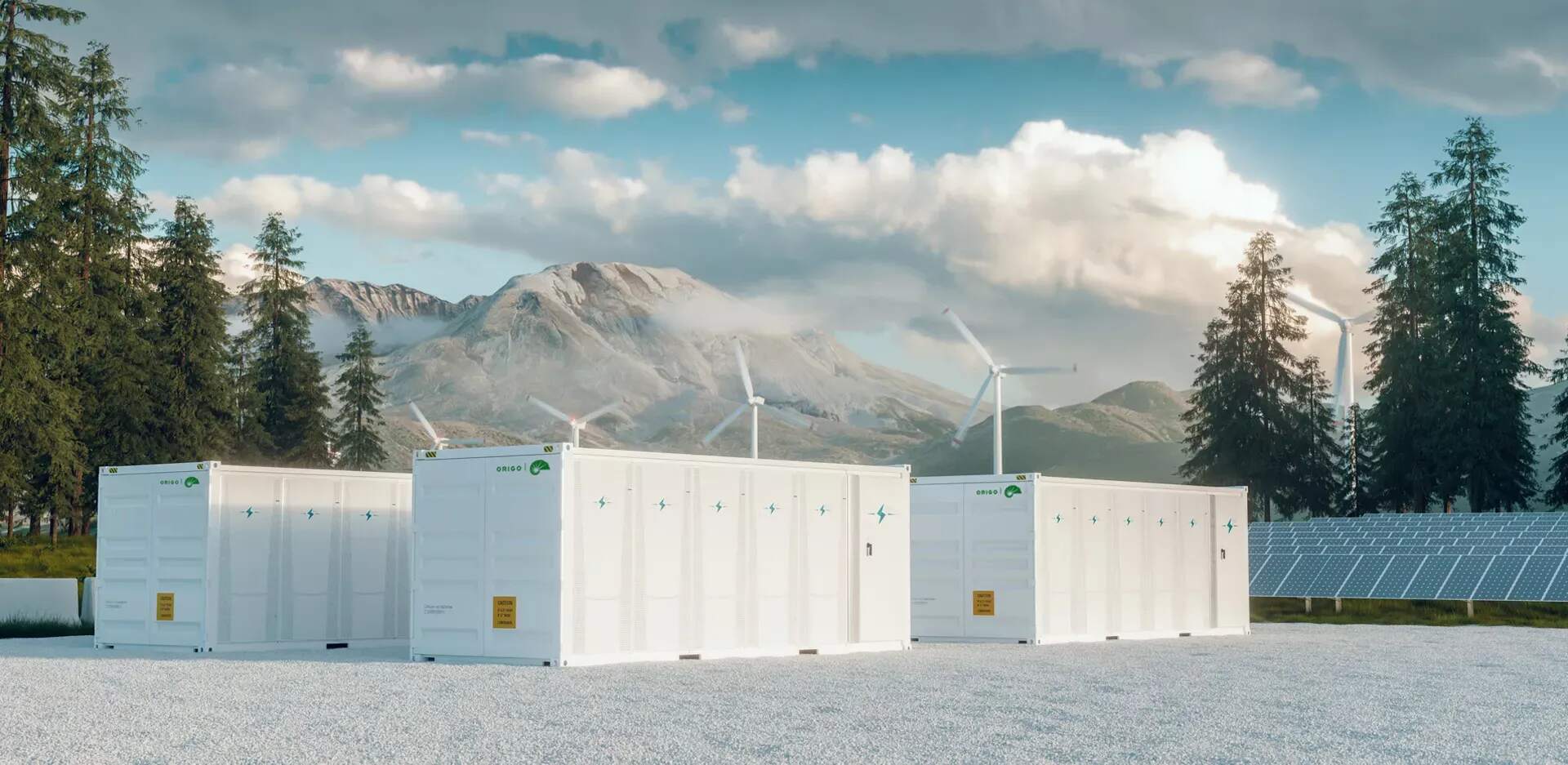
Another powerful trend is the meteoric rise of "Green Tech" or "Climate Tech" patents. As governments and corporations worldwide commit to net-zero emissions targets, innovation in sustainable technologies has become a top priority. Patent filings are soaring in areas such as battery energy storage, carbon capture and utilization, green hydrogen production, advanced recycling methods, and next-generation solar photovoltaics. This surge is not only driven by corporate R&D but also by a supportive policy framework in many countries that may include accelerated examination for green patent applications. The patent landscape in this sector is becoming increasingly crowded and competitive, signaling a robust and vital arena for future technological and commercial battles.
The methodology of patent analysis itself is evolving. The use of big data analytics and AI to mine patent databases is providing unprecedented insights into innovation trends, competitive intelligence, and the technological strength of companies and even nations. Investors and analysts are increasingly incorporating patent data into their valuation models, viewing a strong, relevant patent portfolio as a key indicator of a company's innovative capacity and long-term viability.
Expert Perspectives: A Cautious yet Adaptive Outlook
Industry experts largely agree that the current climate demands a more sophisticated and agile approach to patent strategy.
Dr. Eleanor Vance, a partner at a specialized IP law firm, notes, "The one-size-fits-all patent strategy is obsolete. We are advising clients to think globally but act with local nuance. The decision of whether to opt-out of the UPC, for instance, requires a deep understanding of a company's specific product market, its litigation history, and its risk tolerance. Similarly, drafting an AI patent application today is an exercise in anticipating future legal challenges and framing the invention in the most defensible way possible."
On the business side, Michael Thorne, Chief IP Officer for a multinational electronics manufacturer, emphasizes the strategic function of patents. "Our patent portfolio is no longer just a legal asset; it's a business asset directly tied to our market valuation and M&A activities. We are heavily invested in tools that map our patent strength against our product roadmaps and our competitors' activities. The goal is to ensure our R&D spend translates into tangible IP that creates market leverage and opens doors for collaboration."
Looking at the green tech revolution, Dr. Kenji Tanaka, a policy analyst at an international environmental organization, offers a balanced view. "The explosion in green patent filings is undoubtedly a positive signal, indicating that the market is responding to the climate challenge. However, the critical issue will be ensuring these technologies are widely disseminated, particularly in developing economies. The role of patent pools, licensing agreements, and other mechanisms to share this knowledge will be just as important as the innovation itself in achieving our global climate goals."
In conclusion, the world of patents is far from static. It is a reflection of the broader technological and geopolitical world, currently characterized by the challenges and opportunities presented by AI, the new European patent system, and the urgent push for sustainability. Success in this environment will belong to those who view patents not as isolated legal documents, but as integral components of a dynamic, forward-looking innovation strategy.
Product Catalogs