Renewable Energy News: Navigating The Grid Integration Challenge And The Rise Of Green Hydrogen
The global transition towards renewable energy is accelerating at an unprecedented pace, moving from a niche alternative to a central pillar of the world's energy strategy. However, this rapid growth is unveiling a new set of complex challenges and opportunities that are reshaping the industry's trajectory. The current landscape is defined not just by the record-breaking deployment of solar and wind, but by the critical need to integrate these variable sources into aging power grids and the emergence of green hydrogen as a potential game-changer for hard-to-abate sectors.
Record Growth Meets Grid Constraints
Recent data from the International Energy Agency (IEA) continues to highlight staggering growth. Solar photovoltaic (PV) capacity additions have consistently outpaced forecasts, accounting for nearly three-quarters of all new renewable power capacity globally. Similarly, wind power, both onshore and offshore, is expanding, with massive new projects receiving final investment decisions. This surge is largely driven by plummeting costs; in most major economies, building new solar or wind farms is now cheaper than operating existing fossil fuel plants.
Despite this optimistic picture, a significant bottleneck is emerging: grid capacity and flexibility. The very nature of solar and wind power—intermittent and dependent on weather conditions—poses a fundamental challenge to traditional grid management. Dr. Elena Petrova, an energy systems analyst at the Global Energy Innovation Institute, explains, "We are witnessing a paradigm shift. The twentieth-century grid was designed for a one-way flow of electricity from large, centralized, and dispatchable power plants. The twenty-first-century grid must handle a multi-directional, fluctuating flow from millions of distributed sources. Our infrastructure and market rules are struggling to keep up."
This has led to curtailment issues in regions with high renewable penetration, where wind and solar farms are paid to switch off because the grid cannot absorb the power they generate. The solution, experts agree, lies not just in building more transmission lines, but in creating a more flexible and intelligent grid system.
Key Trends Shaping the Future
In response to these integration challenges, several key trends are gaining momentum:
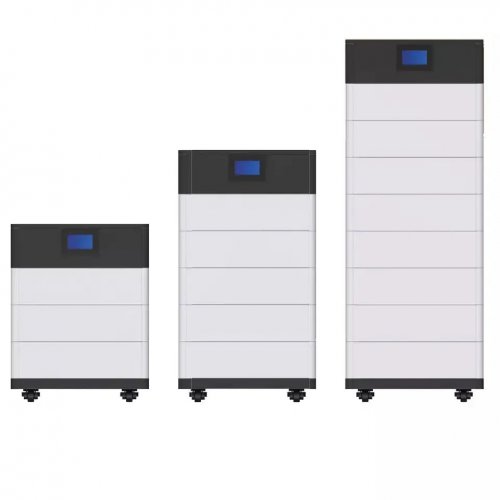
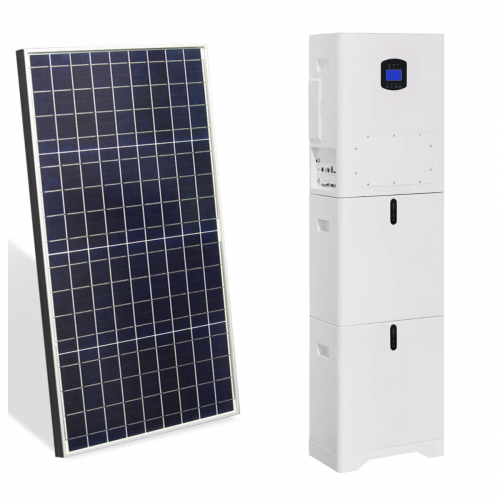
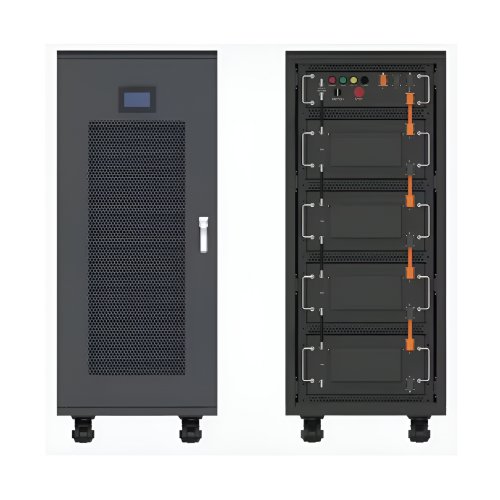
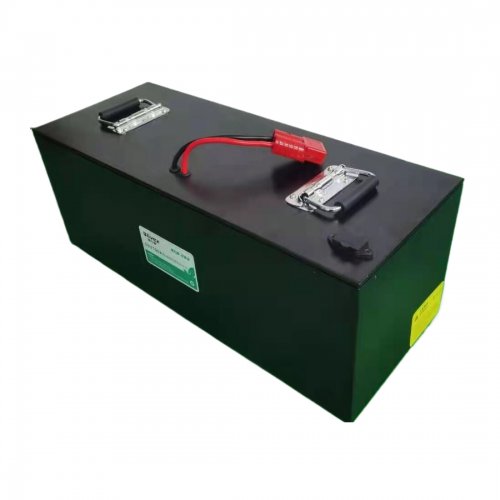
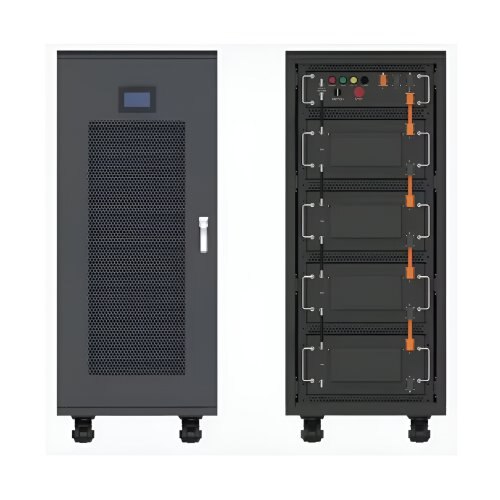
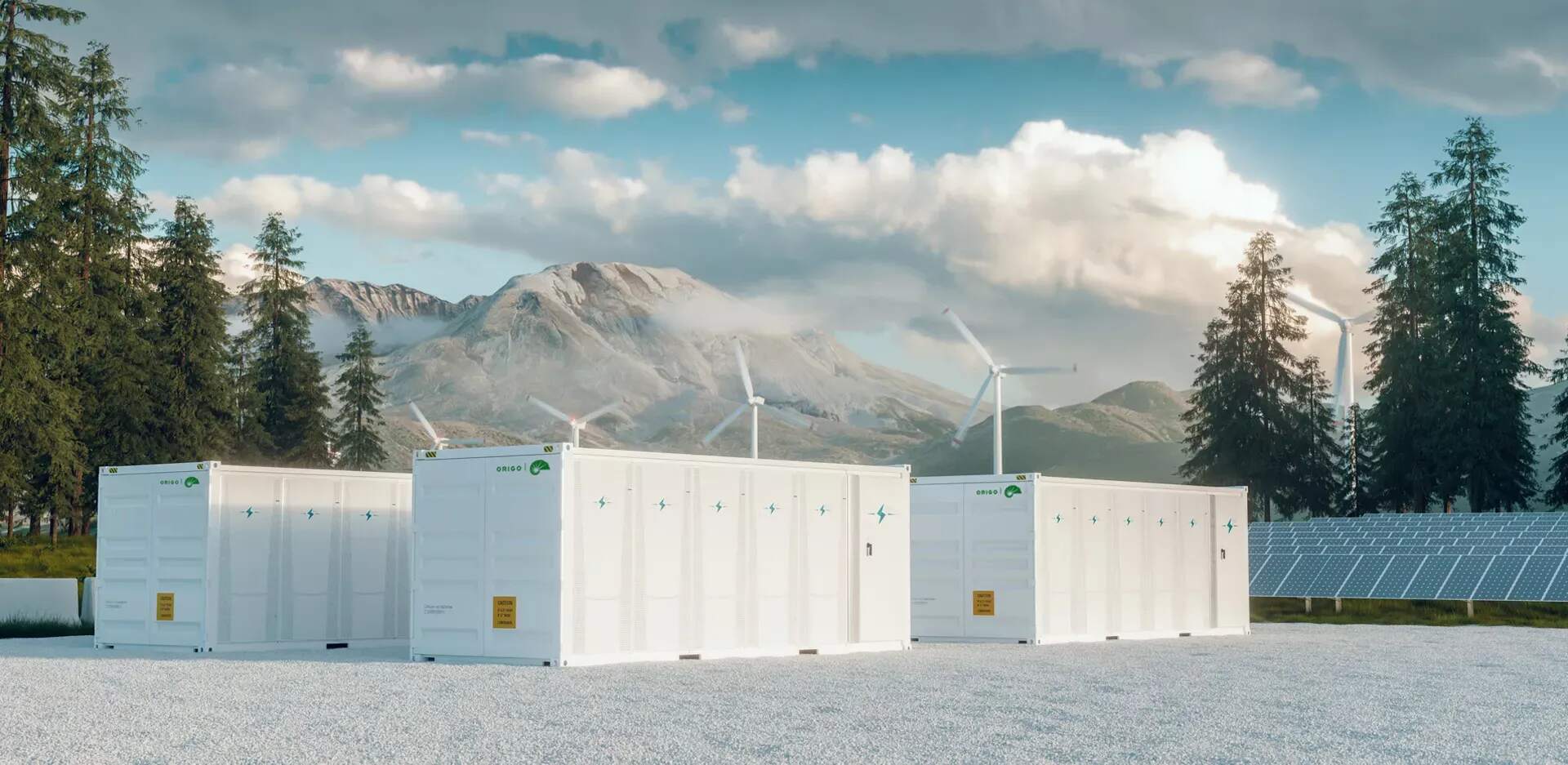
1. The Energy Storage Boom: The coupling of renewables with energy storage, primarily lithium-ion batteries, is becoming standard practice. Utility-scale battery energy storage systems (BESS) are no longer a pilot technology but a critical grid asset. They absorb excess renewable generation during peak production and discharge it during periods of high demand or low renewable output, effectively smoothing the supply curve. The market for grid-scale storage is projected to grow exponentially over the next decade, with innovations in flow batteries and compressed air energy storage offering potential for longer-duration storage.
2. Digitalization and AI-Driven Grid Management: The modernization of the electricity grid is heavily reliant on digital technologies. Advanced sensors, smart meters, and Internet of Things (IoT) devices are creating a vast data network. Artificial intelligence (AI) and machine learning algorithms are being deployed to forecast renewable generation with greater accuracy, optimize grid operations in real-time, and automate demand response programs that incentivize consumers to shift their electricity use to off-peak hours.
3. The Ascendancy of Green Hydrogen: A significant development capturing investor and policymaker attention is green hydrogen. Produced by splitting water molecules using renewable electricity in a process called electrolysis, green hydrogen offers a pathway to decarbonize sectors that are difficult to electrify directly, such as heavy industry (steel, cement), long-haul transportation, and shipping. "Solar and wind can decarbonize the power sector," says Michael Thomsen, CEO of a European clean energy fund. "Green hydrogen is the missing link for the other 60-70% of the economy. We are seeing a surge in announced projects and a rapid scaling up of electrolyzer manufacturing capacity, though the market is still in its formative stages."
4. Policy Acceleration and Supply Chain Realities: The global policy landscape remains a powerful driver. Initiatives like the US Inflation Reduction Act and the European Union's REPowerEU plan are providing long-term tax credits and subsidies, creating unprecedented certainty for investors. However, this very success has exposed vulnerabilities in global supply chains. Dependence on a single country for key mineral processing and manufacturing components has led to calls for more diversified and resilient supply chains for solar panels, wind turbines, and battery materials.
Expert Perspectives on the Road Ahead
Industry leaders acknowledge that the path forward, while promising, requires strategic navigation.
"The low-hanging fruit of renewable energy has been picked," states Maria Lopez, a senior partner at a sustainability consultancy. "The next phase is about systems integration. Success will be measured by our ability to build a resilient, digital, and interconnected energy ecosystem, not just by the number of gigawatts installed. This requires unprecedented collaboration between utilities, technology providers, regulators, and consumers."
On the topic of green hydrogen, experts urge cautious optimism. Dr. Kenji Tanaka, a researcher specializing in hydrogen economies, notes, "The potential of green hydrogen is immense, but the economic equation is still challenging. We need the cost of renewable electricity to fall further and electrolyzer efficiency to improve. The next five to ten years will be crucial for building the infrastructure and proving the commercial viability of large-scale projects."
The conversation is also shifting towards a just and equitable transition. As renewable projects grow in scale, concerns about land use, community engagement, and the environmental impact of mining for critical minerals are coming to the fore. Ensuring that the benefits of the clean energy transition are widely shared is increasingly seen as a prerequisite for maintaining its social license to operate.
In conclusion, the renewable energy sector is at a critical inflection point. The initial goal of cost-competitiveness has been largely achieved. The industry's focus is now on the more complex tasks of seamless grid integration, fostering innovation in storage and green hydrogen, and building a sustainable and secure supply chain. The continued success of the global energy transition hinges on overcoming these next-generation challenges.
Product Catalogs