Research And Development News: The Strategic Reshaping Of Global Innovation
The global research and development (R&D) landscape is undergoing a profound transformation. No longer confined to the isolated laboratories of a few tech giants or academic institutions, R&D has evolved into a dynamic, interconnected, and strategically pivotal function for nations and corporations alike. Driven by geopolitical shifts, technological convergence, and a post-pandemic reckoning, the very philosophy of innovation is being rewritten. The latest trends indicate a decisive move towards collaborative ecosystems, a heightened focus on sustainability, and the strategic integration of artificial intelligence as a core research partner.
Latest Industry Dynamics: A Shift in Geopolitical and Corporate Strategy
Recent data from the UNESCO Science Report and various corporate financial disclosures highlight a significant intensification in R&D investment, albeit with shifting geographical centers of gravity. While the United States and the European Union continue to lead in absolute spending, China's sustained, double-digit annual increases have positioned it as a dominant force in fields like artificial intelligence, 5/6G telecommunications, and renewable energy technologies. This has triggered a responsive wave of policy-driven initiatives in Western nations, most notably the U.S. CHIPS and Science Act and the European Chips Act, which earmark hundreds of billions of dollars for domestic semiconductor R&D and manufacturing.
Concurrently, corporate R&D strategy is being re-evaluated. The model of centralized, proprietary R&D is increasingly being supplemented—and in some cases, supplanted—by open innovation and strategic partnerships. We are witnessing a rise in consortiums, particularly in capital-intensive sectors like pharmaceuticals, aerospace, and automotive. For instance, the rapid development of mRNA vaccines was a testament to pre-competitive collaboration between biotech firms, big pharma, and academic centers. In the automotive sector, the immense cost of developing electric vehicle (EV) platforms and autonomous driving systems has led to unlikely alliances between traditional manufacturers and tech startups.
Another key dynamic is the growing emphasis on "translational research"—the process of swiftly moving discoveries from the lab to the market. Venture capital is flowing aggressively into deep tech sectors such as quantum computing, synthetic biology, and advanced nuclear fission. This influx of capital is accelerating the pace of innovation, compressing development cycles, and forcing established players to adopt more agile, venture-like approaches within their own R&D divisions.
Trend Analysis: The Convergence of AI, Sustainability, and Human-Centric Design
Three dominant trends are poised to define the next decade of R&D.
1. AI as a Co-Pilot and Co-Inventor: Artificial intelligence, particularly generative AI and advanced machine learning, is transitioning from a tool for data analysis to a fundamental component of the R&D process. AI algorithms are now used to predict molecular interactions for new drugs, design novel materials with specific properties, and optimize complex chemical processes. This "AI-augmented R&D" can drastically reduce the time and cost associated with traditional trial-and-error methods. For example, in material science, what once took decades of experimentation can now be achieved in months through AI-powered simulation and discovery platforms.
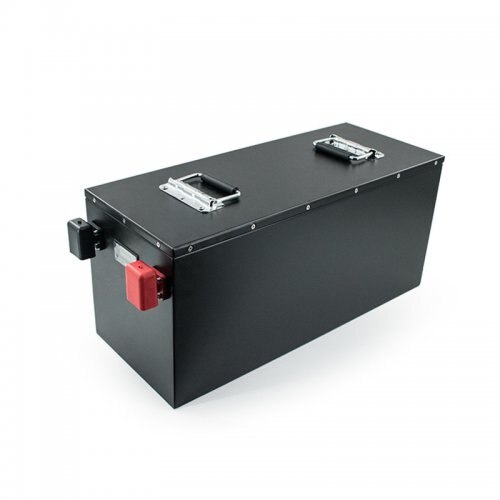
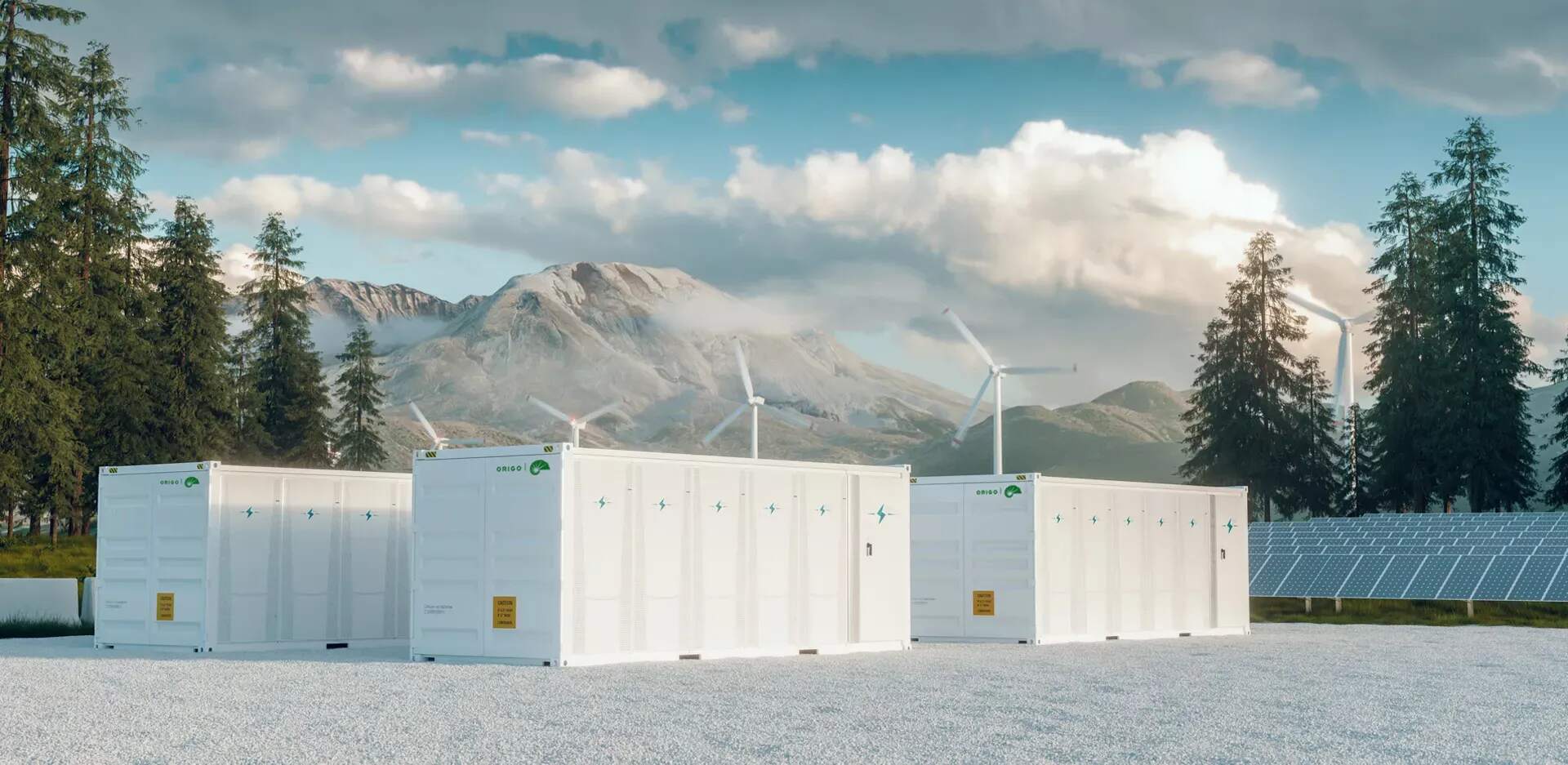
2. The Sustainability Imperative: R&D is increasingly directed toward addressing climate change and building a circular economy. This is no longer a niche corporate social responsibility project but a core strategic pillar. Significant investments are being channeled into green hydrogen, carbon capture and utilization, next-generation battery storage, and sustainable agriculture. The focus is on developing technologies that are not only effective but also economically viable and scalable. This trend is largely driven by both regulatory pressure and a clear market shift in consumer and investor preferences.
3. The Human-Centric and Ethical Frontier: As technology becomes more pervasive, R&D is placing greater emphasis on human-machine interaction, ethical AI, and data privacy. The goal is to build trust and ensure that innovations are adopted and used responsibly. Furthermore, personalized medicine is a prime example of this trend, where R&D moves from developing treatments for the "average patient" to creating therapies tailored to an individual's genetic makeup, lifestyle, and environment. This requires a deeply interdisciplinary approach, integrating insights from biology, data science, and behavioral psychology.
Expert Perspectives: Navigating the New R&D Paradigm
Industry leaders and analysts emphasize the strategic nature of these shifts.
Dr. Anya Sharma, a Director of Innovation at a global technology consultancy, states, "The single biggest change we observe is the democratization of R&D. Access to cloud computing, open-source datasets, and AI tools has lowered the barrier to entry for startups, enabling them to compete in fields once dominated by giants. The new competitive advantage lies not just in the size of one's R&D budget, but in the agility to form and manage a diverse ecosystem of partners."
Professor Ben Carter, an economist specializing in science and technology policy, highlights the geopolitical dimension. "We are entering an era of techno-nationalism. Strategic autonomy in key technology areas is now a primary objective for major economies. This is leading to a re-shoring of certain R&D activities, particularly in semiconductors, pharmaceuticals, and critical minerals. The challenge will be to balance this necessary resilience with the global collaboration that is essential for tackling transnational issues like pandemics and climate change."
Meanwhile, from the corporate vantage point, Maria Rodriguez, Chief Technology Officer of a leading advanced materials company, notes the internal cultural shift. "Integrating AI into our R&D workflows required a fundamental reskilling of our workforce. Our most valuable researchers are now those who can ask the right scientific questions and also collaborate effectively with AI systems and data scientists. We are hiring for hybrid skills that did not exist a decade ago."
In conclusion, the realm of research and development is at a critical juncture. It is becoming more distributed, more interdisciplinary, and more strategically aligned with global challenges and economic competition. The organizations that will lead the future are those that can successfully navigate this complex new paradigm—leveraging AI, fostering collaborative ecosystems, and aligning their innovation pipelines with the dual imperatives of economic value and sustainable progress. The race for the future is, unequivocally, a race in R&D.
Product Catalogs