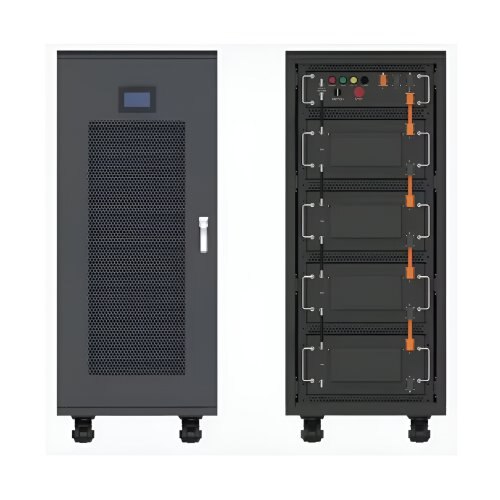
How To Use A Battery Management System: A Practical Guide For Optimal Performance And Safety
A Battery Management System (BMS) is the intelligent brain behind any modern battery pack, from the one in your smartphone to the powerful units in electric vehicles and home energy storage. Its primary role is to ensure the safety, longevity, and reliability of the battery by monitoring its state and controlling its environment. Simply owning a battery with a BMS is not enough; understanding how to interact with and leverage its capabilities is crucial. This guide provides a comprehensive, step-by-step approach to using a BMS effectively.
Understanding the Core Functions
Before diving into usage, it's vital to grasp what a BMS does. Its key responsibilities are:Monitoring: It continuously tracks cell voltages, current (both charge and discharge), and temperature.Protection: It acts as a guardian, disconnecting the battery if parameters like over-voltage, under-voltage, over-current, or extreme temperature are exceeded.Cell Balancing: It ensures all individual cells in a pack are at the same voltage level, maximizing capacity and lifespan.State Estimation: It calculates critical metrics like State of Charge (SOC) and State of Health (SOH).Communication: It relays all this information to the user or a master controller via protocols like CAN bus, UART, or I2C.
Step-by-Step Usage Guide
Step 1: Initial Setup and Integration
The first interaction with a BMS is its integration into your system.
1. Review the Datasheet: Never skip this step. The manufacturer's datasheet is your bible. It contains the absolute maximum and minimum ratings, pinout definitions, communication protocols, and default protection thresholds. 2. Correct Wiring: This is a safety-critical step.Voltage Sense Wires: Connect these to each cell in the series string in the correct order. A single misplaced wire can cause incorrect readings and catastrophic failure. Double-check the polarity and sequence.Temperature Sensors: Attach them securely to the cells or at strategic points within the pack as specified.Current Sensor: Integrate the Hall-effect sensor or shunt resistor into the main current path, ensuring the direction of current flow is correct.Load/Charge Connections: Connect the main negative terminal of the battery pack to the BMS's "P-" terminal, and the system's load/charger to the "B-" or "C-" terminal, as per the design. 3. Initial Power-On: After a thorough visual inspection for loose wires or shorts, apply a initial charge to the battery pack. The BMS should "wake up." Use a multimeter to verify that the output voltage is present and correct.
Step 2: Configuration and Calibration (If Applicable)
Many advanced BMS units, especially those with Bluetooth or USB connectivity, allow for configuration.
1. Connect to Software: Use the manufacturer's dedicated PC software or mobile app to establish a connection. 2. Set Protection Parameters: While default settings are often safe, you may need to customize them for your specific battery chemistry (e.g., Li-ion, LiFePO4). Key thresholds include:Charge Voltage Limit: Set per your battery's datasheet.Discharge Cut-off Voltage: Avoid deep discharges that kill batteries.Current Limits: Set realistic charge and discharge current limits based on your battery's capability and application.Temperature Limits: Typically set between 0°C to 45°C for charging and -20°C to 60°C for discharging, but always refer to your cell's specifications. 3. Calibration: For accurate SOC readings, the BMS often needs calibration.Current Sensor Calibration: Follow the software procedure, which usually involves applying a known zero-current and a known load current.SOC Reset: After a full charge, you can reset the SOC to 100%. This helps the coulomb counting algorithm start from a known reference point.
Step 3: Routine Operation and Monitoring
During normal use, your role is to monitor the data the BMS provides.
1. Regularly Check Key Metrics: Make it a habit to check:State of Charge (SOC): Your "fuel gauge."Cell Voltages: Look for any significant deviation between cells. A large difference indicates poor balance.Temperature: Ensure the pack is operating within a safe range.Charge/Discharge Current: Verify that it stays within expected limits. 2. Observe the BMS Behavior: Notice if the BMS frequently cuts off during high loads. This is a sign that your current limits may be set too low for the application or that the battery's health is declining.
Step 4: Maintenance and Troubleshooting
A BMS helps with proactive maintenance.
1. Periodic Full-Cycle Charge: For non-calibrated BMS, performing a full charge and discharge cycle (within normal limits) occasionally can help re-synchronize the SOC estimation. 2. Address Cell Imbalance: If you notice a growing voltage gap between cells during a full charge, the BMS's passive balancing may be struggling. A very slow, trickle charge at the top of the charge curve can sometimes aid the balancer. For severe imbalance, the pack may need professional service. 3. Interpret Alarms and Faults: If the BMS triggers a fault and disconnects, do not simply reset it. Connect to the software to read the fault log. It will tell you exactly why it tripped (e.g., "Cell 4 Over-Voltage," "Over-Current Discharge"). Address the root cause before re-engaging.
Practical Tips and Best PracticesStart Conservative: When configuring a new system, set your voltage and current limits slightly inside the absolute maximum ratings of your battery cells. This provides a safety buffer.Prioritize Temperature Management: The BMS can only disconnect the battery when temperatures are extreme. It is your responsibility to provide adequate cooling, especially in high-power applications. Never operate a battery pack in a sealed, unventilated enclosure.Trust the Protections: If the BMS disconnects your battery, trust that it has a valid reason. Forcing a connection by bypassing the BMS is extremely dangerous and can lead to fire or explosion.Understand Passive vs. Active Balancing: Know which type your BMS uses. Passive balancing bleeds excess energy from high cells as heat and is only effective during the charge cycle. Active balancing moves energy from high cells to low cells and is more efficient but also more expensive.Keep a Log: For critical applications, log key data like cycle count, minimum/maximum cell voltages, and any fault events. This data is invaluable for predicting end-of-life and diagnosing intermittent issues.
Critical Safety Warnings and PrecautionsNever Disassemble or Modify a BMS: The internal circuitry is designed for specific functions. Tampering can disable critical safety features.Beware of the "Sleep Mode": Some BMS units enter a low-power sleep mode when the battery is drained below a certain voltage. In this state, it may not accept a charge until "woken up," sometimes requiring a special charger or procedure. Always check the datasheet for sleep mode recovery instructions.Use a Compatible Charger: Always use a charger that is matched to your battery's chemistry and voltage. A faulty or incompatible charger can overwhelm the BMS's protection capabilities.Inspect Regularly: Periodically inspect the battery pack and BMS wiring for signs of physical damage, corrosion, or loose connections.
In conclusion, a Battery Management System is a powerful partner in managing your battery investment. By following this guide—from careful initial setup and configuration to diligent monitoring and maintenance—you can unlock its full potential. A well-utilized BMS not only prevents catastrophic failures but also significantly extends the service life of your battery, ensuring it delivers reliable performance for years to come.
Product Catalogs