How To Use Depth Of Discharge: A Practical Guide To Maximizing Battery Life And Performance
The term "Depth of Discharge" (DoD) is a critical, yet often overlooked, parameter for anyone who uses rechargeable batteries. Whether you're managing a solar power system, driving an electric vehicle, or simply using a laptop, understanding and properly managing DoD is the key to unlocking longer battery life, better performance, and greater overall value. This guide will demystify Depth of Discharge and provide a practical, step-by-step framework for using it to your advantage.
Understanding Depth of Discharge
In simple terms, Depth of Discharge (DoD) is the percentage of a battery's total capacity that has been used. It is the inverse of the State of Charge (SoC). For example, if a 100 kWh battery has 40 kWh of energy remaining, its State of Charge is 40%, and its Depth of Discharge is 60%.
The fundamental principle is this: the deeper you regularly discharge a battery, the faster it degrades. Different battery chemistries have different tolerances for deep discharge cycles. By consciously managing the DoD, you directly influence the number of charge cycles your battery will last.
A Step-by-Step Guide to Managing Depth of Discharge
Step 1: Identify Your Battery Chemistry
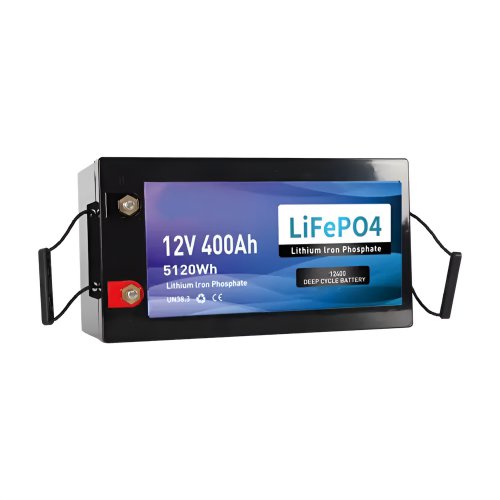
The first and most crucial step is to know what type of battery you are using. Each chemistry has a recommended DoD range for optimal longevity.Lithium-ion (Li-ion), LFP (Lithium Iron Phosphate): These are the most common in modern electronics, EVs, and home energy storage. They tolerate deeper discharges well. A typical recommended daily DoD is 80-90%, meaning you only use 80-90% of the capacity before recharging. For maximum lifespan, some systems are set to a more conservative 50-70% DoD.Lead-Acid (Flooded, AGM, Gel): These are sensitive to deep discharges. Regularly discharging them below 50% DoD can significantly shorten their lifespan. It's best to keep them above 50% DoD (i.e., at 50% State of Charge or higher) for daily use.Nickel-based (NiMH, NiCd): More resilient to full cycles but suffer from "memory effect." For these, it's often recommended to perform full (100%) discharge cycles occasionally, but for daily use, partial discharges are fine.Action: Check your device or battery manual to confirm its chemistry and the manufacturer's specific DoD recommendations.Step 2: Determine Your Application and Goal
How you use the battery dictates how you should manage its DoD.Cyclical Use (Daily): This includes solar batteries, EV daily driving, or a cordless vacuum. For these, you should aim for a Shallow Cycle. Operate the battery within a narrow, conservative DoD range (e.g., between 20% and 80% State of Charge). This puts the least amount of stress on the battery.Standby/Backup Power: This includes UPS units or emergency power systems. Here, the battery is usually kept at or near 100% State of Charge (0% DoD) and is only used during a power outage. For lead-acid batteries in this application, a periodic "equalization charge" is vital.Maximum Range/Capacity (Occasional): Sometimes you need the full capacity, like on a long road trip in an EV. It is acceptable to discharge to a high DoD (e.g., 90-100%) on these occasions. The key is that this is not theregularpractice.Action: Define your primary use case. Is it daily cycling or standby? Your answer will set your DoD strategy.Step 3: Configure Your System's Settings
Most modern devices and battery management systems (BMS) allow you to set charge and discharge limits.For Electric Vehicles: Many EVs have a "Daily" or "Home" charging mode where you can set a maximum charge level (e.g., 80% or 90%). This automatically creates a buffer, preventing you from starting your day at 100% and ending at a very low SoC, thus managing the effective DoD.For Solar Energy Systems: Your solar inverter or battery controller will have settings for "Depth of Discharge," "Reserve Capacity," or "State of Charge Min/Max." Set the maximum discharge level to your target (e.g., 50% for lead-acid, 80% for lithium).For Consumer Electronics: While less configurable, you can adopt habits like not letting your laptop or smartphone drop below 20% battery before plugging it in.Action: Navigate the settings menu of your device, inverter, or vehicle infotainment system to find and adjust these thresholds.Step 4: Monitor and Maintain
Setting it once is not enough. Regular monitoring ensures your strategy is working.Use the built-in monitoring tools on your EV, solar app, or UPS unit.Periodically check the reported State of Charge and Depth of Discharge.Look for any signs of accelerated capacity loss, which might indicate a need to adjust your DoD limits to be more conservative.
Pro Tips and Practical Advice
1. The 80/20 Rule for Lithium-ion: A simple and highly effective rule of thumb for daily use of Li-ion batteries is to keep them between 20% and 80% State of Charge. This means you are effectively using 60% of the battery's total capacity, which dramatically reduces degradation. 2. Avoid the Extremes: The most stressful states for a battery are at the very top (100% SoC) and the very bottom (0% SoC). Minimizing the time spent at these extremes is as important as managing the DoD. This is why "trickle charging" to 100% and leaving it plugged in is not ideal. 3. Temperature Matters: High ambient temperatures accelerate chemical reactions inside the battery, including those that cause degradation. A battery discharged to 80% DoD in a hot environment will degrade faster than one in a cool environment. Always consider temperature in your overall battery care plan. 4. Calibration Cycle: For devices where the battery percentage indicator becomes inaccurate, it's beneficial to perform a full calibration cycle (a 100% discharge followed by a 100% charge) every few months. This does not harm modern Li-ion batteries if done infrequently and helps the BMS accurately report the DoD.
Important PrecautionsNever Exceed Manufacturer Limits: The manufacturer's recommended maximum DoD is a hard limit. Exceeding it, especially with lead-acid batteries, can cause immediate and irreversible damage.Understand the Trade-off: Managing DoD is a trade-off between cycle life and usable capacity. Using only 50% of your battery's capacity will make it last much longer, but you are only using half of what you paid for. Find a balance that suits your needs for both longevity and performance.Long-Term Storage: If you need to store a battery for several months, do not store it fully charged or fully discharged. For Li-ion, a 40-60% State of Charge (40-60% DoD) is ideal for storage.
By integrating these steps and principles, you move from being a passive user to an active manager of your battery's health. Depth of Discharge is not just a technical term; it is a powerful lever. Pulling it correctly will ensure your batteries power your life reliably for years to come.
Product Catalogs