How To Use State Of Charge: A Practical Guide For Battery Management
The State of Charge (SoC) is a critical metric, often described as the "fuel gauge" for your battery. Whether you're managing an electric vehicle (EV), a smartphone, a laptop, or a large-scale energy storage system, understanding and correctly utilizing the State of Charge is fundamental to maximizing battery performance, health, and lifespan. This guide provides a comprehensive look at what SoC is, how to use it effectively, and the best practices to ensure your battery serves you well for years to come.
Understanding State of Charge
At its core, State of Charge is a percentage-based measurement that indicates the remaining energy capacity in a battery. A 100% SoC means the battery is fully charged, while 0% indicates it is fully discharged. It's important to distinguish SoC from State of Health (SoH), which represents the battery's overall condition and ability to hold charge compared to its original state. SoC tells you how much energy is in the batteryright now; SoH tells you about the battery's long-term degradation.
Modern devices rarely display the raw voltage, which is the fundamental physical property used to estimate SoC. Instead, they use sophisticated algorithms, often involving Coulomb Counting (measuring current in and out) and voltage correlation, to provide a user-friendly percentage reading.
A Step-by-Step Guide to Utilizing State of Charge
Effectively using SoC involves more than just glancing at a percentage. It's about integrating this data into your daily habits.
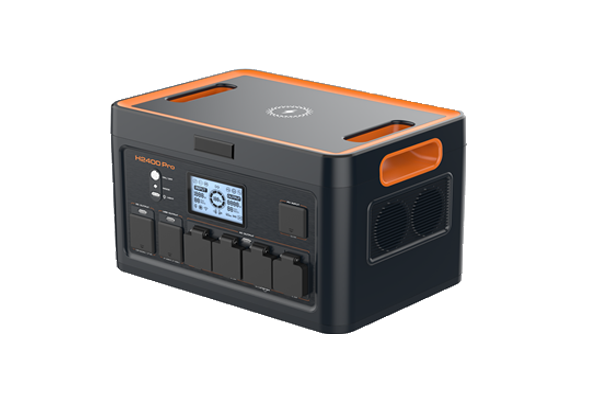
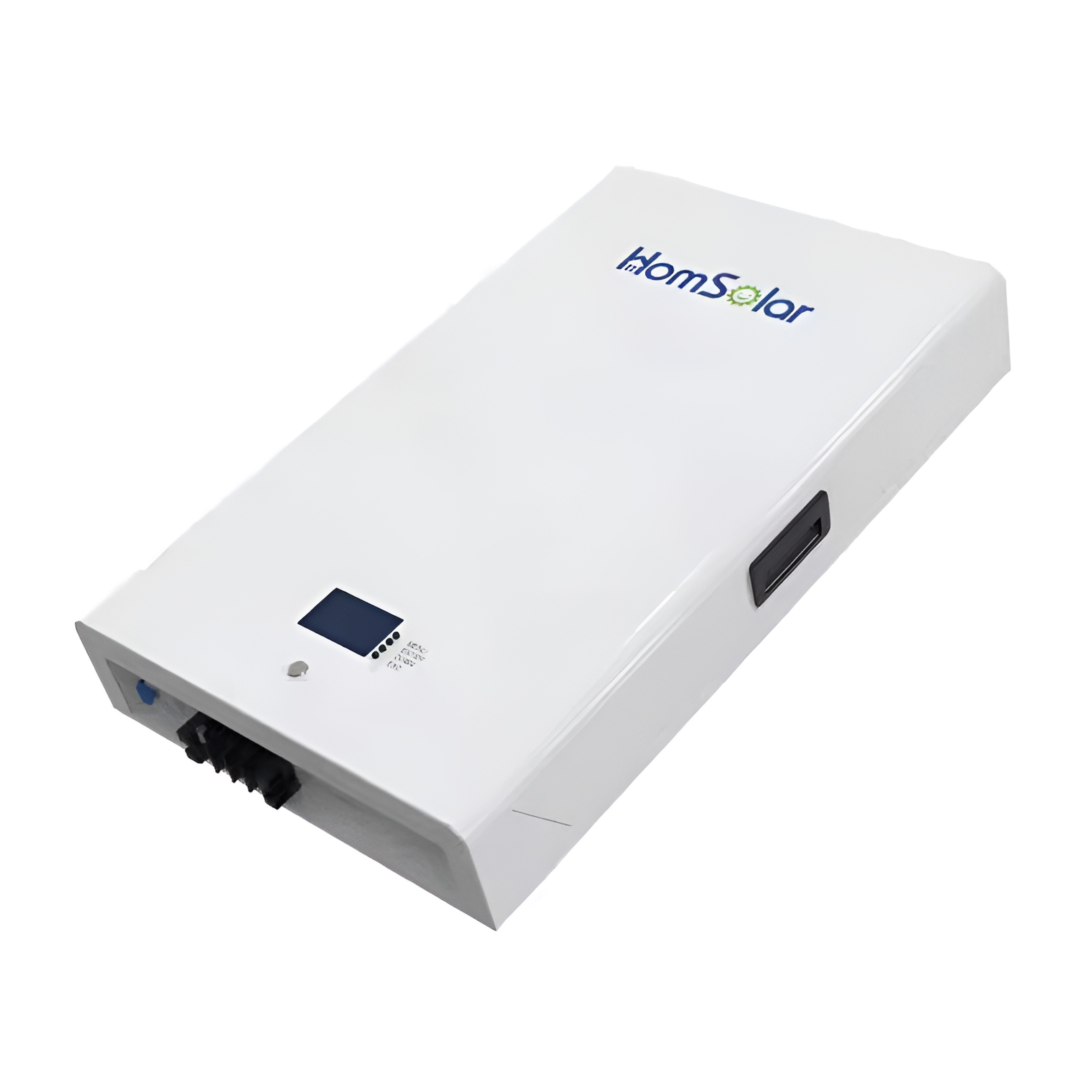
Step 1: Know Your Device's Display First, familiarize yourself with how your device presents SoC information.EVs and E-bikes: Most have a prominent digital percentage display on the dashboard, often accompanied by a bar graph. Many also project this data onto a mobile app.Laptops and Smartphones: Operating systems typically show a battery icon with a percentage, which can usually be enabled in the settings.Solar Power Banks and UPS Systems: These often have LED indicator lights (e.g., 4 lights = 75-100%), but higher-end models include a digital percentage display.
Step 2: Integrate SoC into Your Charging Routine Your charging habits are the primary way you influence battery longevity through SoC.The 20-80% Rule: For daily use, the single most effective practice is to keep your battery's SoC between approximately 20% and 80%. Continuously charging to 100% or letting it drain to 0% puts significant stress on the battery chemistry, accelerating degradation.Avoid "Topping Off": If your device is at 80%, there is no need to plug it in until you actually need the energy. Constantly keeping it at 100% is detrimental.Calibration Cycle: Most smart batteries benefit from a periodic full calibration. Once every 1-3 months, allow the battery to discharge to a low level (around 10-20%) and then charge it uninterrupted to 100%. This helps the battery management system (BMS) recalibrate its SoC estimation algorithm, preventing the percentage from becoming inaccurate over time.
Step 3: Use SoC for Trip and Usage Planning SoC is your primary tool for energy budgeting.For EVs: Before a trip, use your car's displayed SoC and its estimated range to plan charging stops. Remember that factors like high speed, cold weather, and using climate control will cause the SoC to drop faster than the estimated range might suggest. Always aim to arrive at a charger with a buffer (e.g., 10-15% SoC).For Portable Devices: If you know you'll be away from a power source for an extended period, use the SoC to manage your usage. Close unnecessary apps, reduce screen brightness, and activate power-saving modes to slow the rate of SoC depletion.
Step 4: Interpret SoC in Context A SoC reading is not absolute; it's an estimate that can be influenced by external factors.Temperature: A battery's voltage is temperature-dependent. A SoC reading taken in freezing conditions may be less accurate and can appear to "jump" once the battery warms up.Load: If you check the SoC of an EV while accelerating hard, the voltage sags, and the reading might temporarily show a lower value. The most accurate reading is taken when the battery is at rest with no load.
Practical Tips and Operational AdviceFor Long-Term Storage: If you plan to store a device (e.g., an EV, drone, or camera) for more than a few weeks, do not store it at 100% or 0% SoC. The ideal storage SoC is between 40% and 60%. This minimizes chemical aging during inactivity.Leverage Software Features: Many modern devices have features to protect the battery. Use "Optimized Battery Charging" on iPhones or "Battery Care" modes on Sony laptops and some EVs. These features learn your routine and delay charging past 80% until just before you need the device.Fast Charging Wisdom: When using fast chargers, it's best to use them for getting your battery from a low SoC (e.g., 10-20%) up to about 80%. The charging speed typically slows down significantly after 80% to protect the battery, so continuing to fast-charge to 100% offers little time savings while adding more stress.Trust the System, But Be Aware: The BMS is designed to prevent catastrophic failure. It will typically shut down the device before the SoC reaches a true 0% to prevent over-discharge. Similarly, a reported "100%" is often a software-defined limit slightly below the battery's true physical maximum to prevent overcharging.
Crucial Precautions and Warnings
1. Do Not Rely Solely on SoC for Critical Systems: For medical equipment, aviation, or marine applications, SoC should be one of several parameters monitored. Always have redundant power sources and understand the system's voltage directly. 2. Understand the Limitations of LED Indicators: A 4-bar LED indicator showing "full" could represent anything from 75% to 100%. For precise management, a digital percentage is far superior. 3. Avoid Deep Discharges: Letting a lithium-ion battery sit at a very low SoC (below 5%) for prolonged periods can cause irreversible damage and is a leading cause of battery failure. 4. Heat is the Enemy: High temperatures combined with a high or low SoC dramatically accelerate degradation. Avoid leaving your device in a hot car while plugged in or fully discharged.
In conclusion, treating the State of Charge as a dynamic tool rather than a simple number will transform your relationship with your battery-powered devices. By adopting the 20-80% rule for daily use, performing occasional calibrations, and understanding the context of the reading, you actively participate in preserving your battery's health. This proactive approach not only extends the functional life of your expensive devices but also ensures they deliver reliable performance when you need them most.
Product Catalogs