Lfp Battery News: Surging Demand Reshapes Global Ev And Energy Storage Markets
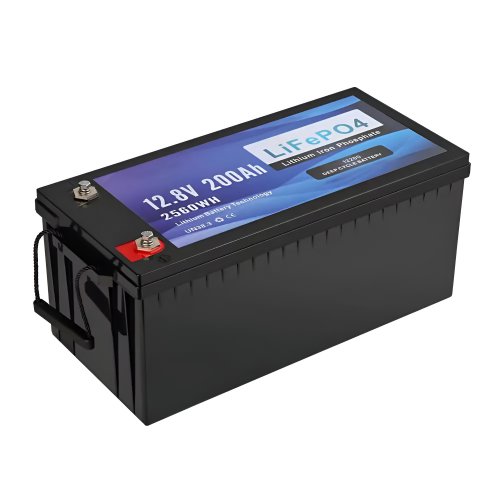
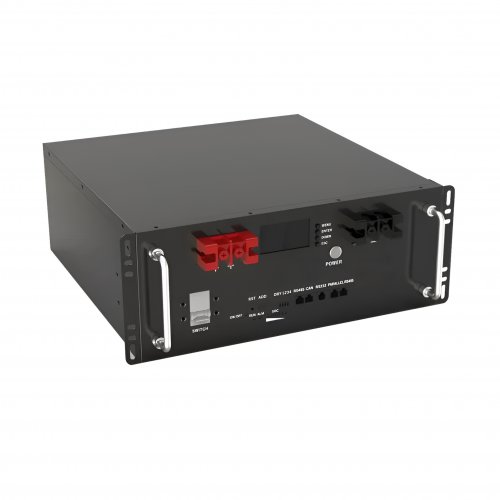
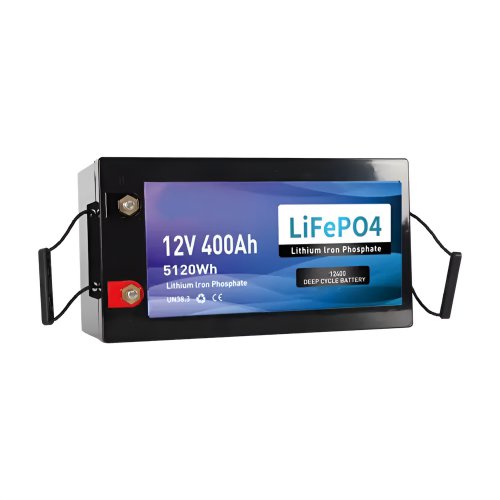
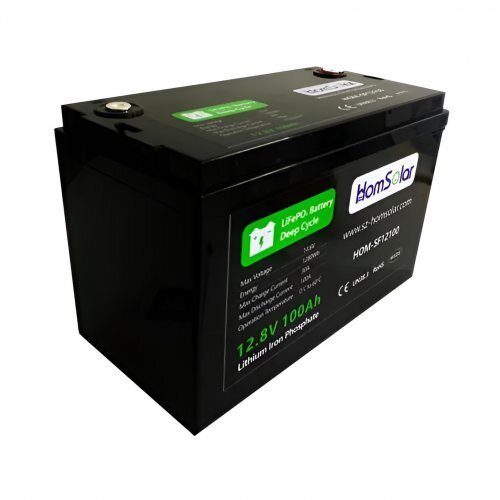
The lithium iron phosphate (LFP) battery, once considered a niche technology primarily for stationary storage and lower-range vehicles, is now firmly in the global spotlight. A powerful confluence of factors—cost sensitivity, supply chain security, and performance refinements—is propelling LFP chemistry to the forefront of the energy transition. From dominating the Chinese electric vehicle (EV) market to making significant inroads in North America and Europe, the LFP battery is undergoing a remarkable renaissance, reshaping strategies for automakers and energy companies alike.
Latest Industry Dynamics: From Regional Dominance to Global Proliferation
The most significant recent development is the accelerated adoption of LFP batteries by Western automakers. For years, the technology was largely confined to the Chinese market, where companies like BYD and CATL perfected its mass production. However, the landscape has shifted dramatically.
Tesla, a pivotal early adopter outside China, has significantly expanded its use of LFP cells. A substantial portion of its standard-range Model 3 and Model Y vehicles globally now utilizes LFP chemistry. This move has been followed by a wave of announcements from other major players. Ford confirmed it would use LFP batteries in the standard-range versions of its Mustang Mach-E and F-150 Lightning, offering customers a lower-cost option. Similarly, Volkswagen, Rivian, and Hyundai have all unveiled plans to incorporate LFP packs into their future EV lineups, particularly for entry-level and mid-tier models.
This shift is driving unprecedented investment in localized production. To circumvent supply chain vulnerabilities and qualify for incentives under policies like the U.S. Inflation Reduction Act, companies are racing to build LFP gigafactories outside China. CATL is licensing its LFP technology to partners and exploring production facilities in the U.S. Meanwhile, domestic players are emerging. American startup Our Next Energy (ONE) is developing LFP-based packs with a focus on enhanced range, while established battery companies are retooling factories to accommodate LFP production lines. In Europe, similar efforts are underway to create a regional supply chain for this critical technology.
Trend Analysis: The Driving Forces Behind the LFP Ascendancy
The surge in LFP adoption is not a fleeting trend but is underpinned by several compelling, long-term advantages.
1. Cost and Supply Chain Security: The fundamental advantage of LFP chemistry lies in its composition. Unlike nickel-cobalt-manganese (NCM) batteries, LFP cells do not require cobalt or nickel. Cobalt is not only expensive but is also associated with geopolitical and ethical concerns regarding its mining. The primary materials for LFP—iron and phosphate—are abundant, geographically widespread, and significantly cheaper. This translates to a lower cost per kilowatt-hour, a critical metric for making EVs affordable and energy storage projects economically viable. As the industry scales towards mass adoption, cost reduction becomes paramount, and LFP holds a clear edge.
2. Enhanced Safety and Longevity: Safety remains a paramount concern for both consumers and regulators. LFP batteries are inherently more stable than their high-nickel counterparts due to their stronger phosphorus-oxygen bonds, which make them far more resistant to thermal runaway—a chain reaction that can lead to fires. This reduces the complexity and cost of battery management systems. Furthermore, LFP cells exhibit a exceptionally long cycle life, often capable of enduring thousands more charge-discharge cycles than NCM batteries. This makes them ideally suited for applications where longevity is key, such as grid-scale energy storage and vehicles intended for high-mileage usage, like ride-sharing fleets.
3. Closing the Performance Gap: The historical drawback of LFP technology was its lower energy density, meaning it stored less energy per unit of weight or volume. This is rapidly changing. Through innovations in cell-to-pack (CTP) and cell-to-body (CTB) integration techniques, manufacturers are drastically reducing the weight and volume of non-cell components in a battery pack. The result is pack-level energy densities that are competitive with many NCM packs. While LFP may still trail in premium, long-range vehicles where every kilogram counts, the gap has narrowed sufficiently for the vast majority of the consumer market.
Expert Perspectives: A Cautiously Optimistic Outlook
Industry analysts and executives largely view the LFP boom as a structural shift in the battery market.
"LFP is no longer the 'other' chemistry; it is becoming the dominant chemistry for a significant portion of the EV market," says Dr. Elena Schmidt, a senior analyst at a clean energy research firm. "We are projecting that LFP's global market share for EVs will exceed 40% within the next two years. Automakers are strategically diversifying their battery portfolios, using NCM for performance-oriented models and LFP for volume sellers to optimize cost and de-risk their supply chains."
A supply chain expert from a major automotive manufacturer, who spoke on background, echoed this sentiment. "Our move to LFP is a direct response to commodity price volatility. Securing a stable, long-term supply of nickel and cobalt at reasonable prices is a monumental challenge. Iron and phosphate offer a much more predictable and sustainable pathway for the next decade of growth."
However, experts also caution that the industry is not facing a winner-takes-all scenario. "The battery market is fragmenting by application," notes a materials science professor at a leading technical university. "NCM and its variants will continue to lead in applications where maximum energy density is non-negotiable, such as luxury sedans, long-haul aviation, and high-performance applications. Meanwhile, LFP will dominate the markets for mass-market transportation, commercial vehicles, and stationary storage. It's a story of diversification, not displacement."
Looking ahead, the trajectory for LFP batteries appears robust. Continued research is focused on next-generation LFP variants, sometimes referred to as LFMP, which incorporate manganese to push energy densities even higher. As recycling infrastructure for lithium-ion batteries matures, the non-toxic and cobalt-free nature of LFP chemistry will also make it a more straightforward and cheaper candidate for a circular economy.
In conclusion, the LFP battery has decisively shed its former image as a compromise. It is now a first-choice technology, driving the democratization of electric mobility and providing a stable, safe, and cost-effective foundation for renewable energy storage. Its ongoing global proliferation signals a new, more pragmatic phase in the world's clean energy transition.
Product Catalogs