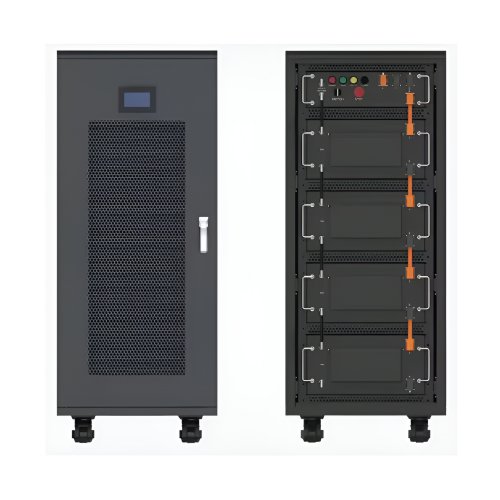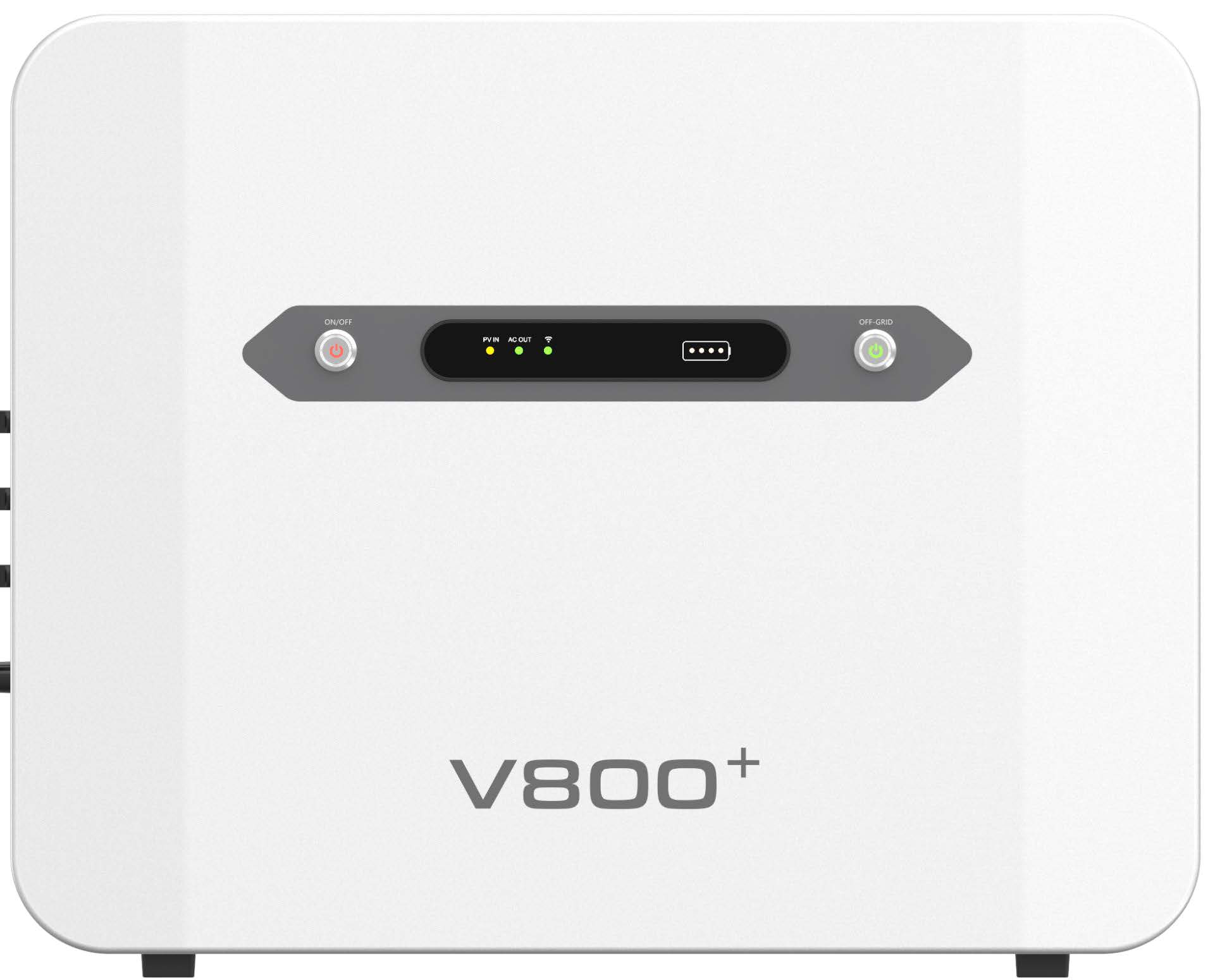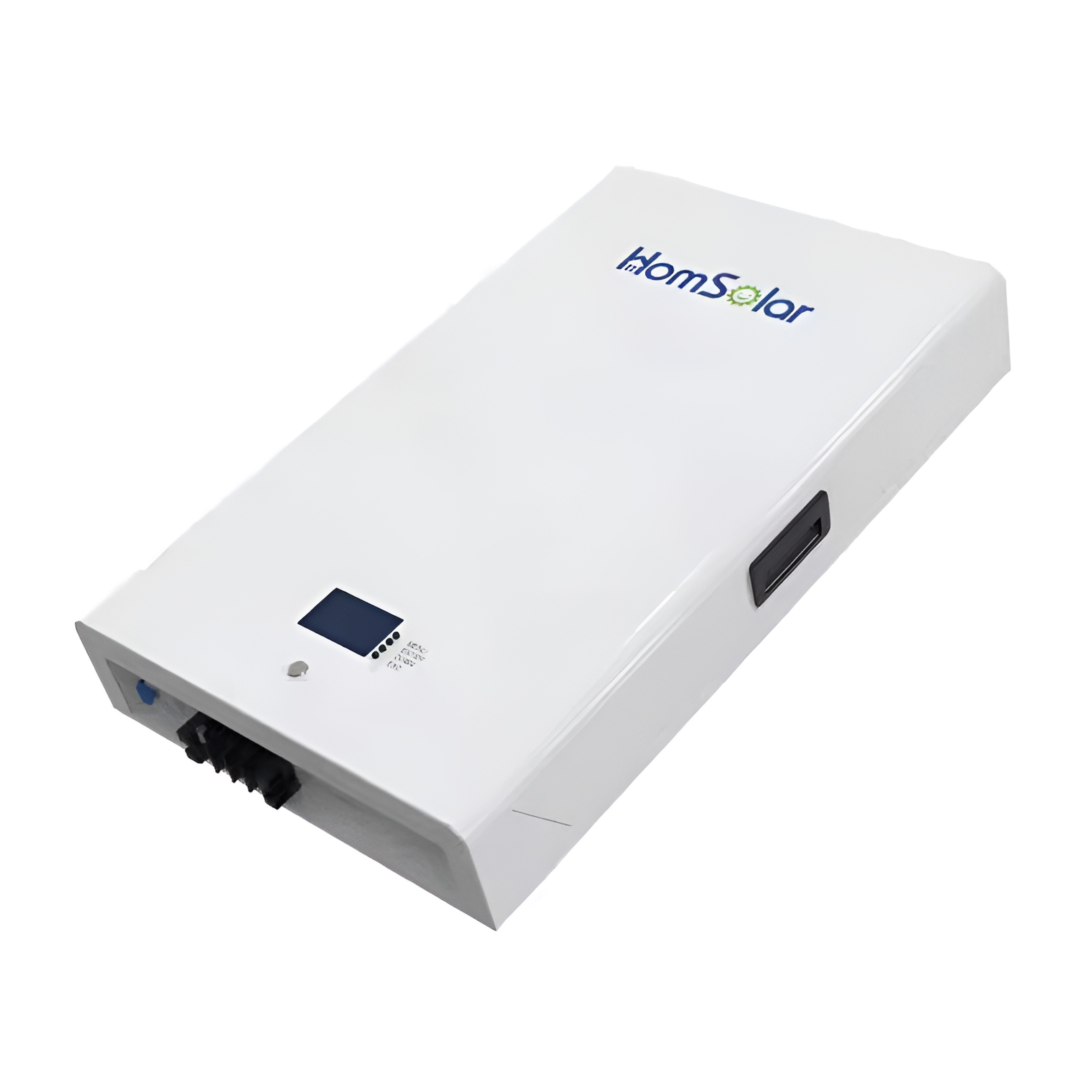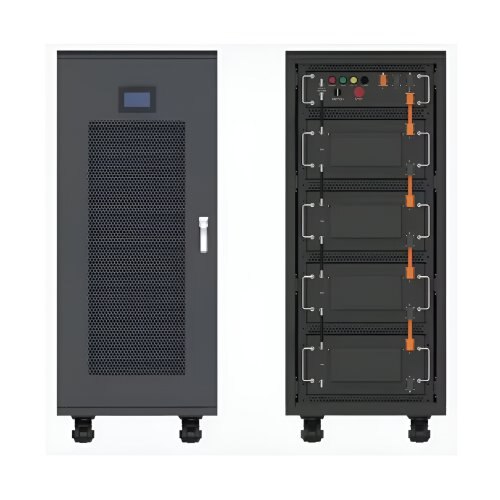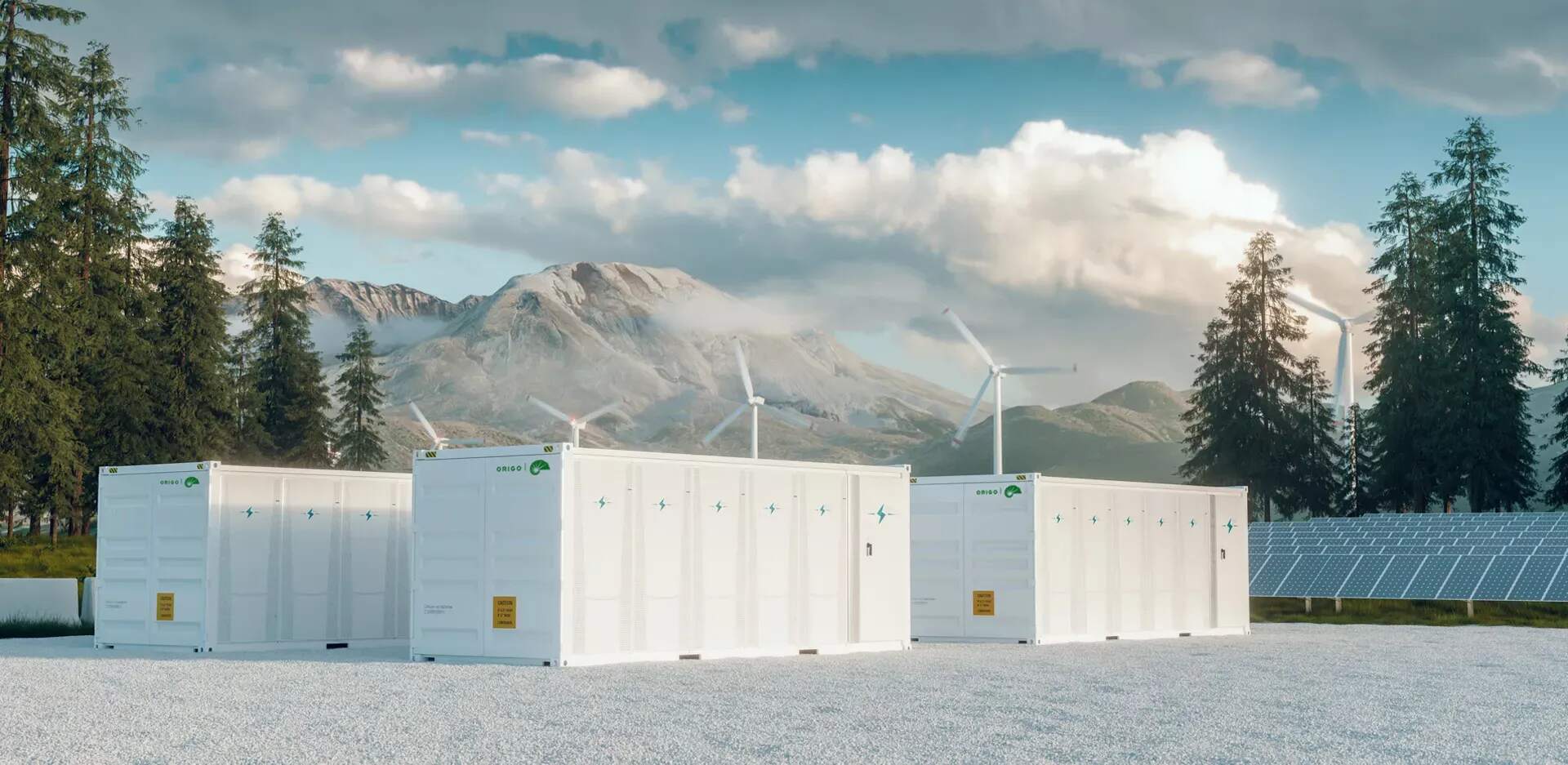
Lifepo4 Battery Comparison Review: Unmatched Safety And Longevity In Energy Storage
The quest for reliable, safe, and long-lasting energy storage has led to the widespread adoption of Lithium Iron Phosphate (LiFePO4) batteries. Moving beyond traditional lead-acid and other lithium-ion chemistries, LiFePO4 has carved out a dominant niche in applications ranging from solar power systems and recreational vehicles to marine use and backup power. This review provides a detailed comparison of LiFePO4 batteries, analyzing their core functions, inherent advantages, and potential drawbacks based on real-world performance.
Core Function and Technology
At its heart, a LiFePO4 battery serves the same fundamental purpose as any other battery: to store electrical energy and release it on demand. However, the key differentiator lies in its chemistry. Unlike the volatile NMC (Lithium Nickel Manganese Cobalt Oxide) chemistry found in many consumer electronics and electric vehicles, LiFePO4 uses a stable phosphate cathode. This fundamental chemical distinction is the source of its most celebrated benefits. These batteries are designed for deep-cycle applications, meaning they can be regularly discharged and recharged to a significant percentage of their capacity without suffering the rapid degradation that plagues other battery types. Their primary function is to provide consistent, stable power over thousands of cycles, making them an investment in long-term energy resilience.
Advantages: The LiFePO4 Value Proposition
The strengths of LiFePO4 batteries are compelling and form the core of their market appeal.Exceptional Cycle Life: This is arguably the most significant advantage. A quality LiFePO4 battery can endure between 3,000 to 5,000 charge cycles while retaining 80% of its original capacity. Some premium models even exceed this range. In practical terms, this translates to a service life of 10 years or more, far outstripping the 300-500 cycles typical of lead-acid batteries.Superior Safety Profile: The LiFePO4 chemistry is inherently more stable. It is highly resistant to thermal runaway, a dangerous chain reaction that can lead to fires or explosions in other lithium-ion batteries. They are also much more resilient to overcharging, short-circuiting, and physical damage, though built-in Battery Management Systems (BMS) provide an essential additional layer of protection.High Efficiency and Performance: These batteries boast excellent charge and discharge efficiency, often exceeding 95%. This means less energy is lost as heat during charging, allowing them to recharge faster from solar panels or other sources. They also deliver stable voltage throughout the discharge cycle, ensuring that connected devices operate at peak performance until the battery is nearly empty.Lightweight and Maintenance-Free: LiFePO4 batteries are significantly lighter than their lead-acid counterparts with similar capacity, a critical factor for RVs and marine applications. Furthermore, they require zero maintenance. There is no need to check water levels or perform equalization charges, a routine necessity with flooded lead-acid batteries.Deep Discharge Capability: Most LiFePO4 batteries can be safely discharged to 100% of their Depth of Discharge (DoD) without causing damage, although regular discharges to 80-90% DoD will further extend their lifespan. This is a stark contrast to lead-acid batteries, which suffer greatly if discharged beyond 50%.
Disadvantages and Considerations
Despite their impressive benefits, LiFePO4 batteries are not a perfect solution for every scenario.Higher Initial Cost: The most immediate barrier for many consumers is the upfront cost. A LiFePO4 battery can be two to three times more expensive than a comparable lead-acid battery. However, a true cost analysis must consider the total cost of ownership over the battery's lifespan, where LiFePO4 often proves more economical.Lower Energy Density: While lighter than lead-acid, LiFePO4 batteries have a lower volumetric energy density than NMC lithium batteries. This means that for a given physical size, an NMC battery might store more energy. For applications where space is the absolute primary constraint, such as in some electric vehicles, this can be a limiting factor.Performance in Sub-Freezing Temperatures: LiFePO4 batteries cannot be charged at temperatures below 0°C (32°F). Charging in freezing conditions can cause permanent, irreversible damage to the cells. While many modern units come with built-in low-temperature charge disconnect protection, this is a crucial operational limitation for users in cold climates, potentially requiring insulated battery compartments.
Real-World Usage Experience
In practical application, the theoretical advantages of LiFePO4 batteries translate into tangible benefits. For a solar power setup, users report a dramatic reduction in recharge times and a consistent power output throughout the evening, unlike the gradual voltage sag experienced with lead-acid. The ability to use nearly the full rated capacity means a smaller, lighter LiFePO4 battery can often replace a much larger bank of lead-acid batteries.
In an RV or boat, the weight savings directly improve fuel efficiency and increase payload capacity. The silence and lack of maintenance are frequently highlighted; users appreciate the "install and forget" nature of these power systems. The peace of mind afforded by their safety is another recurring theme, especially important when the battery is installed inside a living space.
However, the initial setup requires attention. Users must ensure their existing battery charger or inverter/charger is compatible with lithium batteries or has a dedicated LiFePO4 profile. A charger designed for lead-acid will not fully charge a LiFePO4 battery and can reduce its lifespan. Furthermore, while the BMS is a critical safety component, it can be a single point of failure. A malfunctioning BMS can render the entire battery inoperable, a complex issue that often requires returning the unit to the manufacturer.
Conclusion
The LiFePO4 battery represents a paradigm shift in deep-cycle energy storage. Its unparalleled cycle life, robust safety, and high efficiency make it an outstanding choice for anyone serious about off-grid power, mobile applications, or reliable backup energy. While the initial investment is substantial and considerations around cold-weather charging are important, the long-term value and performance are undeniable.
For users plagued by the short lifespan and maintenance demands of lead-acid, or for those wary of the safety risks associated with other lithium chemistries, the LiFePO4 battery offers a compelling and reliable solution. It is a product whose real-world performance firmly justifies its growing reputation as the premier technology for sustainable and dependable energy storage.
Product Catalogs