Lifepo4 Energy Density Review: Unpacking The Real-world Performance And Trade-offs
Lithium Iron Phosphate, or LiFePO4, has emerged as a formidable contender in the world of rechargeable batteries, often positioned as a safer and more durable alternative to its lithium-ion cousins. At the heart of any battery discussion lies the critical metric of energy density, a term that LiFePO4 has redefined not in raw power, but in practical, long-term value. This review delves into the functional reality of LiFePO4 energy density, separating the marketing hype from the tangible performance that defines its place in today's energy storage landscape.
Understanding the Core Function: What is Energy Density?
Before assessing the product, it's crucial to define the key term. Energy density refers to the amount of energy a battery can store in a given volume (volumetric energy density in Wh/L) or mass (gravimetric energy density in Wh/kg). In simpler terms, it dictates how long a device can run or how much power a system can store before needing a recharge. A higher energy density generally means a smaller, lighter battery for the same capacity.
The LiFePO4 Proposition: Function Over Flash
The primary function of a LiFePO4 battery is to provide a stable, long-lasting, and safe power source. Its chemistry, based on a phosphate cathode, is inherently different from the more common Lithium Cobalt Oxide (LiCoO2) found in smartphones and laptops.
When we talk about LiFePO4 energy density, the numbers tell a specific story. Typically, LiFePO4 batteries offer a gravimetric energy density ranging from 90 to 160 Wh/kg and a volumetric density of approximately 200 to 250 Wh/L. In comparison, standard NMC (Nickel Manganese Cobalt) lithium-ion batteries can reach 150-250 Wh/kg and 250-400 Wh/L. On paper, this is LiFePO4's most significant limitation; it is physically larger and heavier for the same stored energy.
However, this single data point is misleading without context. The true "function" of LiFePO4 is not to win a spec-sheet battle on day one, but to deliver consistent performance over an exceptionally long lifespan. Where other batteries degrade, LiFePO4 endures, making itseffectiveenergy density over time a much more compelling metric.
A Balanced Look: The Advantages and Disadvantages
Advantages:
1. Exceptional Cycle Life: This is the cornerstone of the LiFePO4 value proposition. These batteries can routinely withstand 2,000 to 5,000 full charge-discharge cycles while retaining 80% of their original capacity. In practice, this translates to a functional lifespan of a decade or more, far outstripping the 500-1,000 cycles of typical lithium-ion batteries. The energy density remains remarkably stable throughout this long life. 2. Superior Safety Profile: The phosphate-based chemistry is much more stable, resistant to thermal runaway, and non-combustible. Even under harsh conditions like overcharging or physical damage, the risk of fire or explosion is drastically reduced. This safety allows for simpler battery management systems and opens doors for applications where safety is paramount. 3. High Power Density: While itsenergydensity is lower, itspowerdensity—the ability to deliver high currents—is excellent. This makes it ideal for applications requiring strong bursts of power, such as starting marine engines or powering high-wattage inverters in RVs. 4. Stable Voltage Output: LiFePO4 batteries maintain a consistently high voltage for the majority of their discharge cycle, meaning connected devices receive stable power until the battery is nearly depleted.
Disadvantages:
1. Lower Initial Energy Density: As stated, the most apparent drawback is the higher weight and volume for a given capacity. This makes it less suitable for weight-critical applications like high-performance drones or premium electric vehicles where maximizing range is the top priority. 2. Higher Upfront Cost: The initial purchase price of a LiFePO4 battery is typically higher than that of a lead-acid or standard lithium-ion battery of similar capacity. The value is realized through its longevity, but the higher entry cost can be a barrier. 3. Performance in Extreme Cold: While generally robust, LiFePO4 batteries can experience reduced charge acceptance and capacity in sub-zero temperatures. While they can often be discharged at lower temperatures, charging them below freezing requires built-in heating systems to prevent damage.
Real-World Usage Experience
To understand LiFePO4 energy density in action, consider its application in a solar-powered home energy storage system or a recreational vehicle (RV).
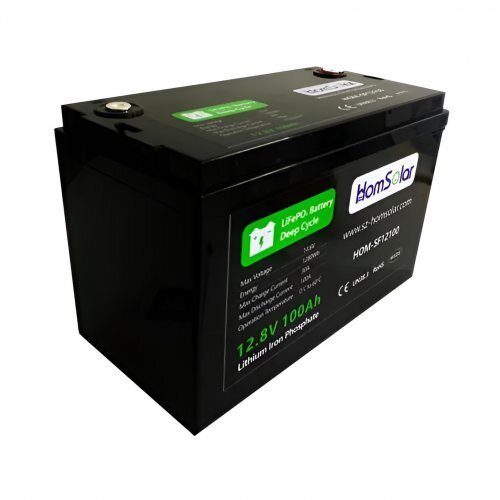
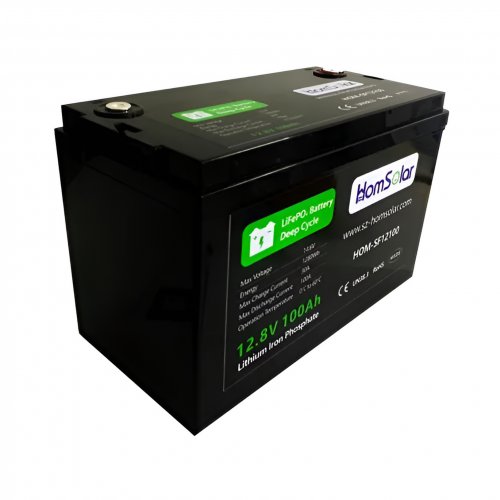
In an RV, space and weight are at a premium. Installing a 100Ah LiFePO4 battery involves accommodating a slightly larger unit compared to a top-tier NMC lithium battery. However, the user experience quickly justifies the space sacrifice. The battery reliably powers appliances throughout the day, with its stable voltage ensuring that lights remain bright and the water pump runs consistently. The ability to regularly discharge it to 80-90% of its capacity without damage effectively means theusableenergy is far greater than a lead-acid battery rated for the same Amp-hours. The peace of mind, knowing the battery is safe in a confined living space and will likely last for the entire ownership of the vehicle, is a significant benefit that transcends the initial spec sheet.
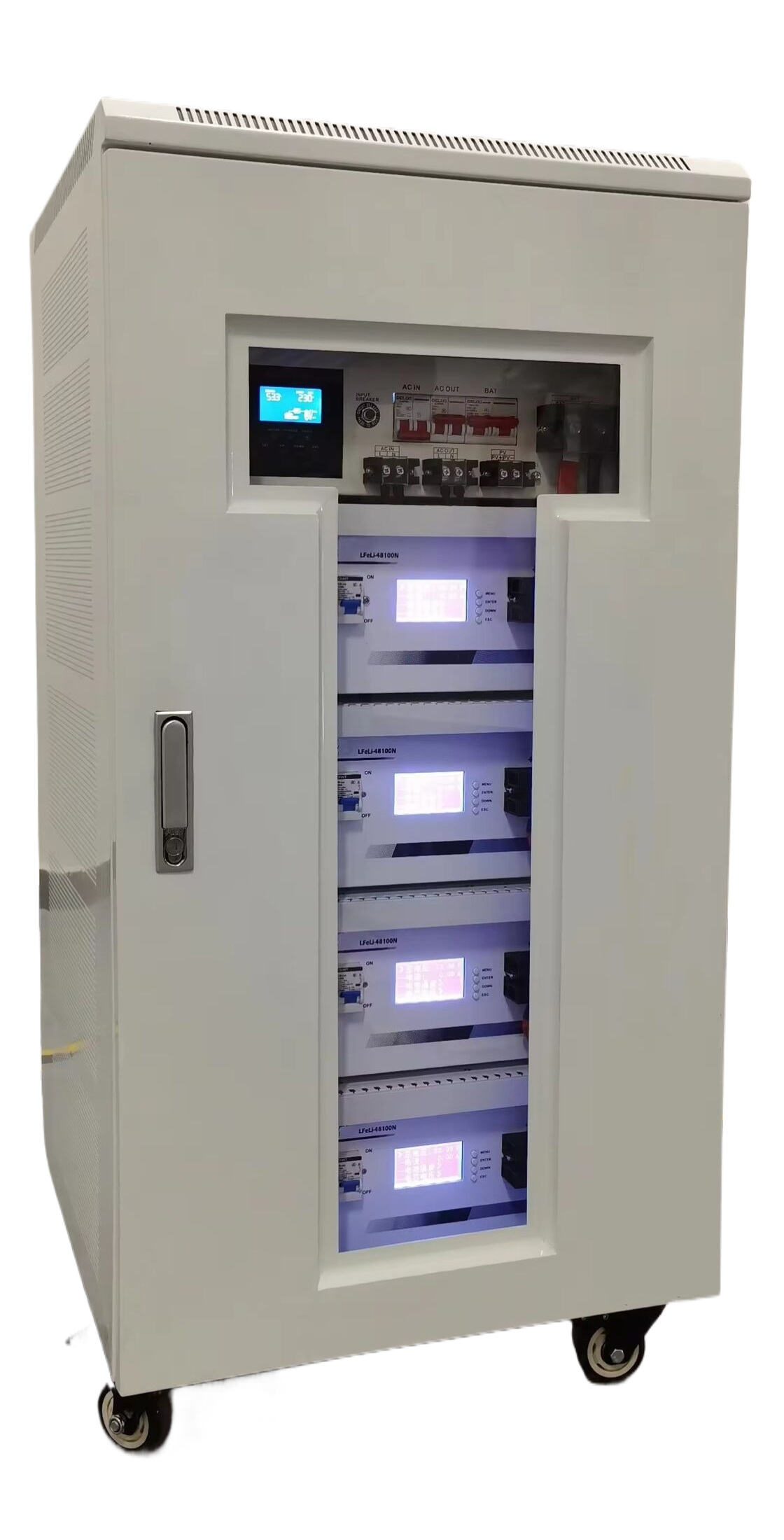
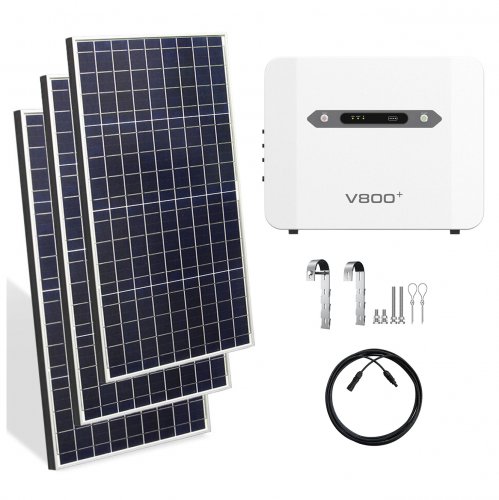
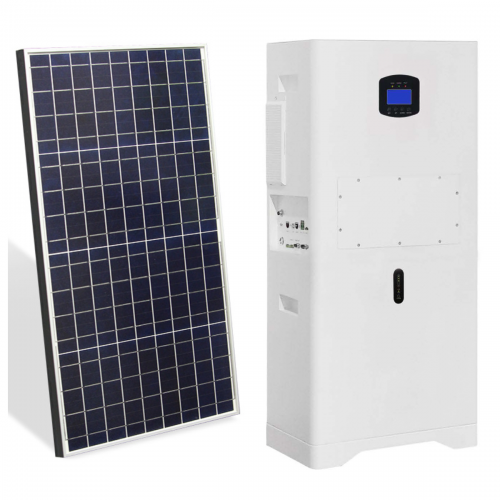
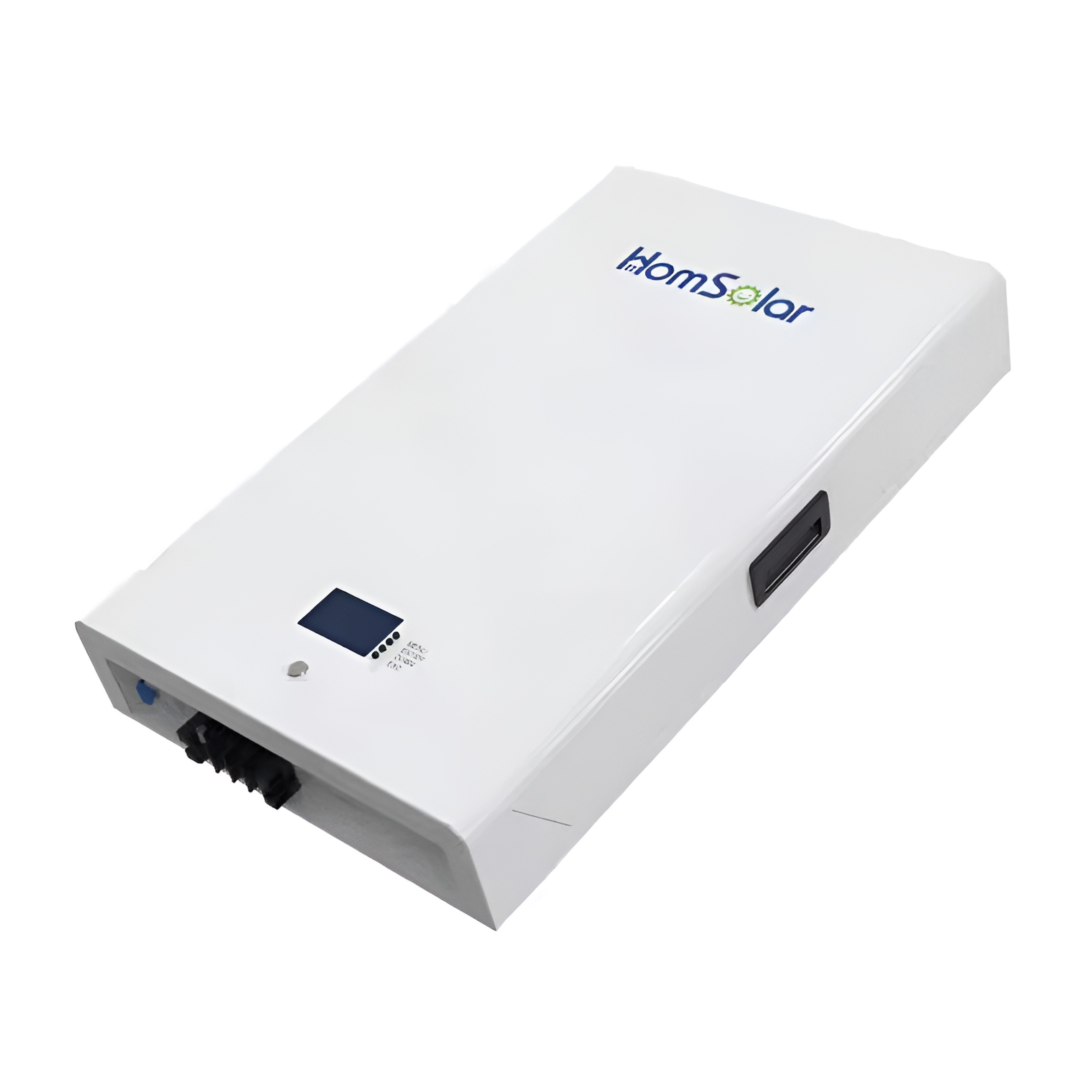
For a homeowner with solar panels, the cycle life becomes the defining factor. Over 10 years, a standard lithium-ion battery might need replacement once or twice, while a LiFePO4 unit is just hitting its stride. The daily cycle of charging and discharging sees minimal degradation. The perceived "lower" energy density at installation becomes irrelevant when the battery continues to store and deliver its rated capacity year after year, long after other technologies have faltered. The high power density also allows it to handle the surge from starting well pumps or air conditioners without breaking a sweat.
Conclusion
Labeling LiFePO4 energy density as simply "inferior" is a superficial assessment that misses the broader picture. It is a technology that trades peak volumetric and gravimetric metrics for unparalleled longevity, robust safety, and real-world reliability. It is not the ideal choice for a cutting-edge electric sports car where every kilogram matters for top speed, but it is arguably the superior choice for applications where total cost of ownership, safety, and dependable performance over a decade are the true priorities.
The product, in essence, is not just a battery but a long-term energy partner. Its energy density should be evaluated not as a snapshot, but as a high-definition video of consistent performance over thousands of cycles. For those willing to make a modest compromise on initial size and weight, the reward is a power source that is truly built to last, making LiFePO4 a profoundly intelligent and practical solution in the modern energy ecosystem.
Product Catalogs