Lifepo4 Safety Review: Uncompromising Protection And Long-term Reliability
The quest for reliable and safe energy storage has become paramount, powering everything from recreational vehicles and marine applications to essential solar setups and home backup systems. Among the various battery chemistries available, Lithium Iron Phosphate (LiFePO4) has emerged as a standout contender, frequently lauded for its superior safety profile. This review delves deep into the safety aspects of LiFePO4 batteries, examining their core technology, functional benefits, and real-world performance to provide a clear and objective assessment.
Core Function and Technology
At its heart, a LiFePO4 battery is a type of lithium-ion battery, but its chemistry is fundamentally different from the more common Lithium Cobalt Oxide (LiCoO2) found in smartphones and laptops. The key differentiator lies in the cathode material: Lithium Iron Phosphate. This chemistry is inherently more stable. The strong phosphorus-oxygen bonds in the phosphate cathode make it highly resistant to thermal runaway, a dangerous chain reaction where increasing temperature leads to further heat release, potentially causing fire or explosion in other lithium-based batteries.
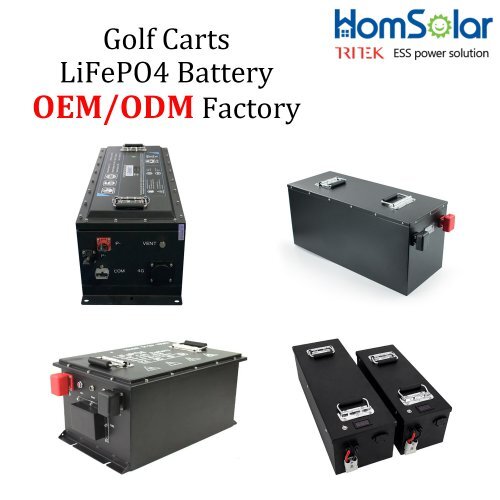
Modern LiFePO4 batteries are not just defined by their chemistry; they are intelligent systems. They are almost universally equipped with an integrated Battery Management System (BMS). This electronic brain is a critical safety component that performs several vital functions:Overcharge and Over-Discharge Protection: It prevents the battery from being charged beyond its safe voltage上限 or drained to a level that could cause irreversible damage.Short-Circuit Protection: It instantly disconnects the battery in case of a short circuit, preventing catastrophic failure.Temperature Monitoring: The BMS monitors cell temperature and will curtail or halt charging/discharging if the battery operates outside its safe temperature window.Cell Balancing: It ensures all individual cells within the battery pack charge and discharge at the same rate, preventing any single cell from becoming a weak or dangerous link.
The Advantages: A Fortress of Safety and Durability
The primary advantages of LiFePO4 batteries are intrinsically linked to their safety and longevity, making them an ideal choice for demanding and sensitive environments.
1. Exceptional Thermal and Chemical Stability: This is the cornerstone of LiFePO4 safety. Even under extreme conditions like physical damage, overcharging, or high temperatures, the phosphate cathode does not break down as easily as cobalt-based cathodes. It will not catch fire or explode, a claim that cannot be made for other lithium-ion variants. This makes it the chemistry of choice for applications where failure is not an option, such as inside a family home or on a boat.
2. Long Cycle Life: LiFePO4 batteries offer an exceptionally long service life. They can typically endure thousands of charge-discharge cycles while retaining a significant portion of their original capacity. For a user, this translates to many years of reliable service, reducing the frequency and cost of replacement and the associated environmental waste.
3. Maintenance-Free Operation: Unlike lead-acid batteries, which require regular topping up with water and careful monitoring of acid levels, LiFePO4 batteries are completely sealed and maintenance-free. This eliminates the risk of acid leaks and the associated hazards.
4. Stable Performance: They provide a steady voltage for most of their discharge cycle, meaning connected devices receive consistent power until the battery is nearly depleted. This is in contrast to the steadily declining voltage of lead-acid batteries.
The Disadvantages: The Trade-Offs for Safety
While the safety profile is impressive, LiFePO4 technology is not without its drawbacks, which are important to consider.
1. Higher Initial Cost: The most significant barrier for many users is the upfront cost. A LiFePO4 battery can be two to three times more expensive than a comparable lead-acid battery. However, this must be weighed against its vastly longer lifespan, which often results in a lower total cost of ownership over time.
2. Lower Energy Density: LiFePO4 batteries have a lower energy density by volume and weight compared to other lithium-ion chemistries like NMC (Nickel Manganese Cobalt). This means that for the same physical space or weight, a LiFePO4 battery will store less energy. While they are still far superior to lead-acid, this can be a limiting factor in applications where every ounce and cubic inch counts, such as in high-performance electric vehicles or ultra-lightweight portable electronics.
3. Performance in Extreme Cold: While LiFePO4 batteries handle heat very well, they are sensitive to low temperatures. Charging a LiFePO4 battery below freezing (0°C / 32°F) can cause permanent damage to the cells. Many modern batteries come with built-in low-temperature charge disconnect features, but this is a critical operational limitation for users in cold climates unless the battery is kept in a temperature-controlled environment.
Actual Usage Experience
In practical terms, using a LiFePO4 battery brings a profound sense of security. For an RV owner, the ability to run appliances through the night without worrying about dangerous off-gassing or a potential fire hazard is a game-changer. The battery case remains cool to the touch even during high-rate charging from solar panels, a stark contrast to the warmth often felt from other battery types.
The peace of mind extends to installation. The ability to mount these batteries in various orientations (unlike flooded lead-acid) and in living spaces without ventilation requirements offers tremendous flexibility. The built-in BMS acts as an invisible guardian; while you may never interact with it directly, its presence is felt when it seamlessly prevents a user error, like leaving a DC appliance on and draining the battery to a critical level, from becoming a costly mistake.
The long cycle life also changes usage habits. There is no longer a constant anxiety about deeply discharging the battery and shortening its life. LiFePO4 chemistry allows for regular, deep discharges without significant degradation, meaning users can utilize a much larger percentage of the battery's rated capacity day after day.
Conclusion
The LiFePO4 battery represents a significant evolution in energy storage technology, one that prioritizes safety and longevity above raw energy density. Its inherent chemical stability, bolstered by sophisticated battery management systems, creates a product that is remarkably resilient and safe for a wide range of applications. While the initial investment is substantial and its performance in sub-freezing conditions requires careful management, these are reasonable trade-offs for the unparalleled safety and long-term reliability it provides. For anyone powering their home, vehicle, or critical equipment, the LiFePO4 battery is not just a power source; it is a robust and trustworthy safeguard.
Product Catalogs