Lifepo4 Vs Lithium Ion Review: Unpacking Durability, Safety, And Real-world Value
The quest for efficient and reliable portable power is a defining feature of modern technology. Whether for electric vehicles, solar energy storage, or high-end electronics, the battery is the unsung hero. For years, the term "lithium-ion" has been the ubiquitous standard. However, a specific chemistry, Lithium Iron Phosphate (LiFePO4), has surged in popularity, creating a significant point of discussion. This review delves into a detailed comparison between LiFePO4 and conventional lithium-ion batteries, examining their core functions, inherent strengths and weaknesses, and practical performance to determine which technology best suits specific needs.
Understanding the Core Technologies
At the outset, it's crucial to clarify that LiFePO4 is a subtype of lithium-ion chemistry. However, in common parlance, "lithium-ion" typically refers to other variants like Lithium Cobalt Oxide (LiCoO2) or Lithium Manganese Oxide (LiMn2O4). The distinction lies in the cathode material, which fundamentally alters the battery's characteristics.
Conventional Lithium-Ion (e.g., NMC, LCO) These batteries are the workhorses of consumer electronics. Their high energy density is their primary selling point, meaning they can store a significant amount of energy in a relatively small and lightweight package. This makes them ideal for smartphones, laptops, and drones where size and weight are critical constraints. They also offer a high voltage per cell, typically around 3.6V to 3.7V, which simplifies power delivery for high-performance devices.
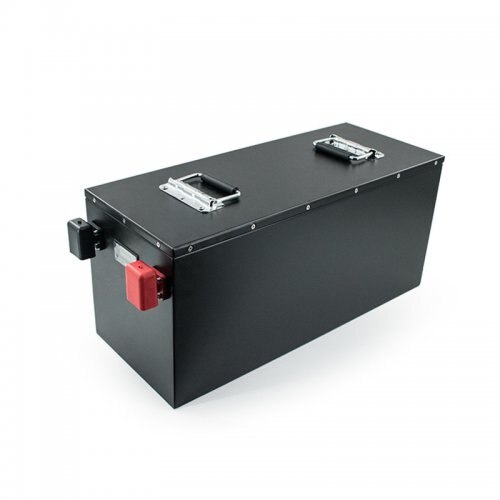
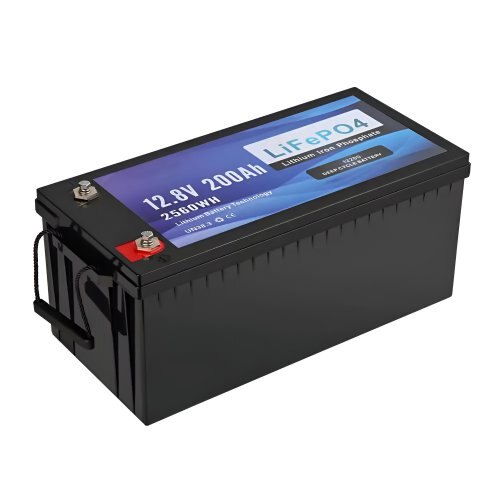
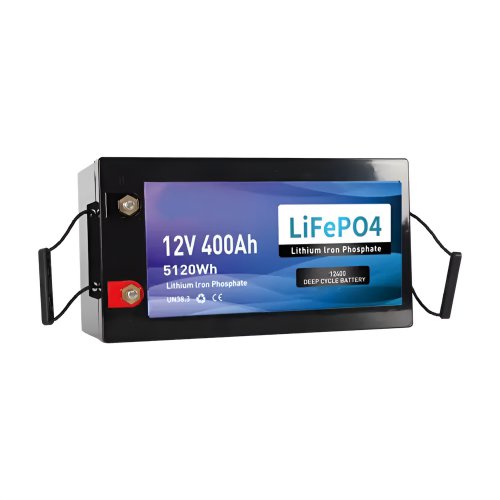
Lithium Iron Phosphate (LiFePO4) LiFePO4 batteries use iron and phosphate in the cathode, a chemistry that trades peak energy density for exceptional longevity and safety. They have a nominally lower voltage of 3.2V per cell and are physically heavier and bulkier for the same capacity. Their advantages become apparent in applications where cycle life and thermal stability are more important than minimal size.
Functional Advantages and Disadvantages
A side-by-side analysis reveals a clear trade-off between the two technologies.
Lithium-Ion (NMC/LCO) - The Pros:High Energy Density: This is their undisputed advantage. They provide the most runtime in the smallest possible form factor.High Power Output: They can deliver high burst currents, which is essential for power-hungry applications like power tools and high-performance electric vehicles.Maturity and Ubiquity: A well-established supply chain and manufacturing process make them cost-effective and widely available.
Lithium-Ion (NMC/LCO) - The Cons:Limited Cycle Life: Typically, these batteries last between 500-1,000 charge cycles before their capacity degrades noticeably.Thermal Instability: They are more susceptible to thermal runaway if damaged, overcharged, or subjected to high temperatures, posing a higher fire risk.Faster Degradation: Capacity fades faster over time, especially when consistently charged to 100% or drained to 0%.Cobalt Dependency: Many formulations rely on cobalt, a material with ethical sourcing concerns and price volatility.
LiFePO4 - The Pros:Exceptional Cycle Life: The most significant benefit. LiFePO4 batteries can routinely endure 3,000 to 5,000 cycles, with some grades reaching 10,000 cycles while retaining 80% of their original capacity.Superior Safety Profile: The phosphate chemistry is intrinsically more stable, highly resistant to thermal runaway, and non-combustible even in cases of puncture or overcharging.Long-Term Stability: They suffer from minimal capacity degradation when idle, making them excellent for backup power systems.Cobalt-Free: The absence of cobalt makes them more environmentally and ethically friendly.
LiFePO4 - The Cons:Lower Energy Density: They are bulkier and heavier for the same stored energy, a major drawback for portable consumer electronics.Lower Nominal Voltage: Requires different system designs and often more cells to achieve the same voltage as a lithium-ion pack.Higher Initial Cost: The upfront purchase price is generally higher than conventional lithium-ion, though the total cost of ownership can be lower.Performance in Cold: While better at handling heat, they can experience reduced charging efficiency in sub-freezing temperatures without built-in heating systems.
Real-World Use Case Scenarios
The choice between these batteries becomes clear when applied to specific situations.
For an Electric Vehicle (EV): A conventional lithium-ion (NMC) battery is likely in a passenger car where maximizing range (energy density) and providing rapid acceleration (power output) are paramount. A LiFePO4 battery, however, is an excellent choice for commercial fleets, golf carts, or low-speed vehicles where the vehicle's operational lifespan is measured in decades. The ability to withstand thousands of deep discharge cycles without significant degradation makes LiFePO4 a financially sound long-term investment, despite the higher initial cost.
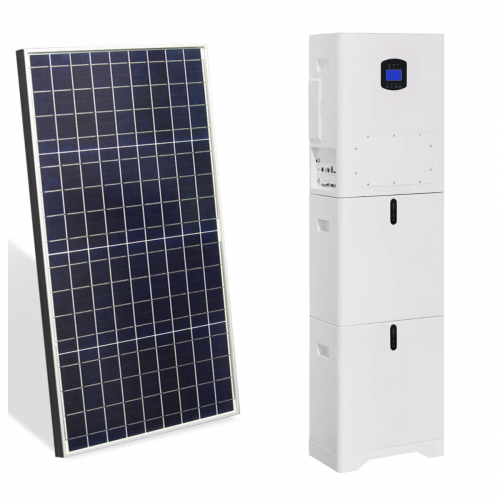
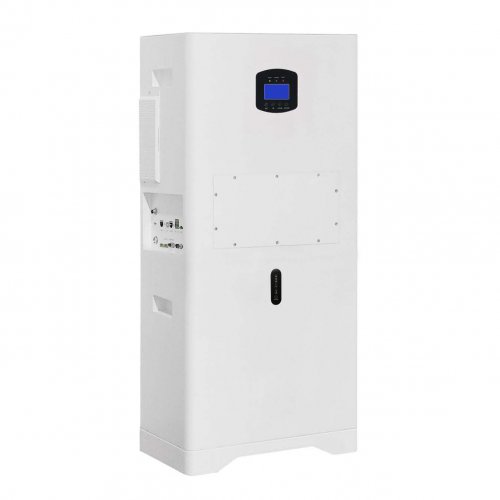
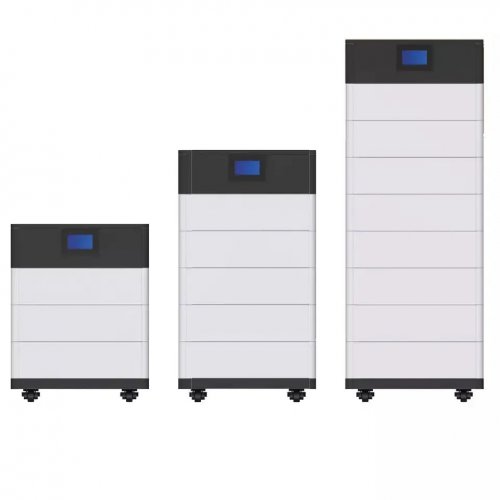
For Solar Energy Storage: This is a domain where LiFePO4 truly shines. A home solar battery system is cycled daily—charged by day and discharged at night. Over 10 years, a lithium-ion battery might need replacement, while a LiFePO4 unit would just be hitting middle age. Its superior safety is also a critical factor when the battery is installed inside a home or garage, reducing the risk of a fire hazard over its multi-decade service life.
For Consumer Electronics and Power Tools: Here, conventional lithium-ion remains king. The compact size and light weight of an NMC battery are non-negotiable for a smartphone that must slip into a pocket or a cordless drill that must be held overhead comfortably. The shorter cycle life is an accepted trade-off for the convenience and performance, as users often upgrade devices before the battery fails completely.
For Recreational Vehicles and Marine Applications: The robust nature of LiFePO4 makes it the superior choice for RVs and boats. These batteries can be deeply discharged to run appliances without damage, withstand the vibration of travel, and their long life ensures reliable power for many years of adventures. The safety aspect is equally critical in the confined, off-grid environment of a vehicle or vessel.
Conclusion: A Matter of Priority, Not Superiority
Declaring an outright winner in the LiFePO4 vs. lithium-ion debate is impossible because it ignores the critical factor of application. The choice is a direct reflection of user priorities.
Conventional lithium-ion (NMC/LCO) is the technology of choice when the primary constraints are size and weight. It delivers maximum performance and runtime from the smallest possible package, making it ideal for the consumer electronics we use daily.
LiFePO4 is the technology of choice when the primary demands are longevity, safety, and depth of cycling. It is a workhorse built for the long haul, ideal for applications where the battery is a capital investment—such as home energy storage, industrial equipment, and specific mobility solutions—and where its inherent stability provides invaluable peace of mind.
Ultimately, the evolution of both technologies is a boon for consumers. It allows for a more nuanced selection, empowering users to choose a battery that is not just powerful, but perfectly suited to the specific demands of their devices and their long-term expectations.
Product Catalogs