Manufacturing News: Navigating The Shift Towards Smart, Sustainable, And Resilient Operations
The global manufacturing sector is in the midst of a profound transformation, moving beyond traditional automation to embrace a future defined by intelligence, sustainability, and adaptability. This evolution, accelerated by recent geopolitical disruptions and the urgent call for climate action, is reshaping supply chains, factory floors, and the very skills required by the workforce. Industry leaders are no longer asking if they should invest in digitalization and green technologies, but how quickly they can integrate them to remain competitive.
Latest Industry Dynamics: Reshoring and Supply Chain Re-engineering
A dominant theme in current manufacturing discourse is the strategic shift in supply chain management. The vulnerabilities exposed by the pandemic, coupled with ongoing trade tensions and logistical bottlenecks, have forced a fundamental rethink of the decades-long reliance on geographically concentrated, just-in-time production models.
The result is a significant push towards reshoring, nearshoring, and friend-shoring. Companies are increasingly bringing production closer to key markets, particularly in North America and Europe, to mitigate risks and reduce lead times. This is not merely a reversal of offshoring but a move towards building more resilient, multi-nodal supply networks. Governments are actively supporting this trend through policies like the U.S. CHIPS and Science Act and the Inflation Reduction Act, which provide substantial incentives for domestic production of semiconductors and clean energy technologies.
"Resilience is now valued as highly as cost-efficiency," states Dr. Elena Vance, a supply chain analyst at the Global Manufacturing Institute. "We are observing a strategic decoupling of critical industries, such as pharmaceuticals and advanced electronics, from single points of failure. The new model is about creating a portfolio of sourcing and production locations, even if it comes with a marginally higher initial cost. The investment is in stability."
Trend Analysis: The Convergence of AI and IoT in the Smart Factory
The concept of the "smart factory" is maturing from a collection of connected machines to a fully integrated, self-optimizing production ecosystem. At the heart of this trend is the powerful convergence of Artificial Intelligence (AI) and the Internet of Things (IoT).
IoT sensors embedded in machinery, tools, and products generate a continuous stream of data on performance, temperature, energy consumption, and quality. AI and machine learning algorithms analyze this data in real-time to predict equipment failures before they occur, a practice known as predictive maintenance. This shift from reactive to proactive maintenance drastically reduces unplanned downtime, which is a significant cost driver in manufacturing.
Furthermore, AI is revolutionizing quality control. Computer vision systems, powered by sophisticated algorithms, can inspect products with a level of speed and accuracy impossible for the human eye, identifying microscopic defects and variations. This not only improves product quality but also reduces material waste.
Another emerging application is generative AI in product design. Engineers can input design goals and constraints, and the AI can generate hundreds of optimized prototypes, testing for factors like stress tolerance, material usage, and aerodynamics in a digital environment. This accelerates the R&D cycle and leads to the creation of more efficient and sustainable products.
"AI is moving from the backend to the frontline of manufacturing," comments Ben Carter, a digital transformation lead at a major industrial automation firm. "It's no longer just about analyzing historical data. It's about providing prescriptive insights to operators on the shop floor, dynamically adjusting production schedules based on real-time constraints, and creating digital twins of entire production lines to simulate and optimize outcomes without disrupting physical operations."
The Sustainability Imperative: Green Manufacturing as a Competitive Edge
Sustainability has transitioned from a corporate social responsibility initiative to a core business strategy. Regulatory pressures, investor demands, and consumer preferences are driving manufacturers to aggressively pursue decarbonization and circular economy principles.
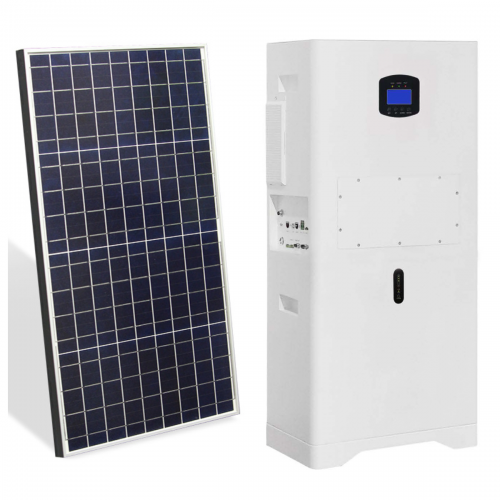
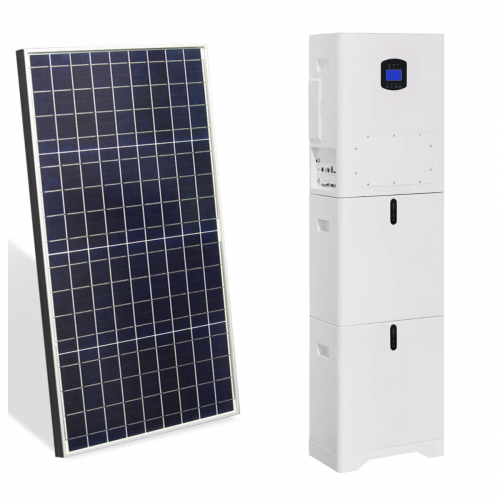
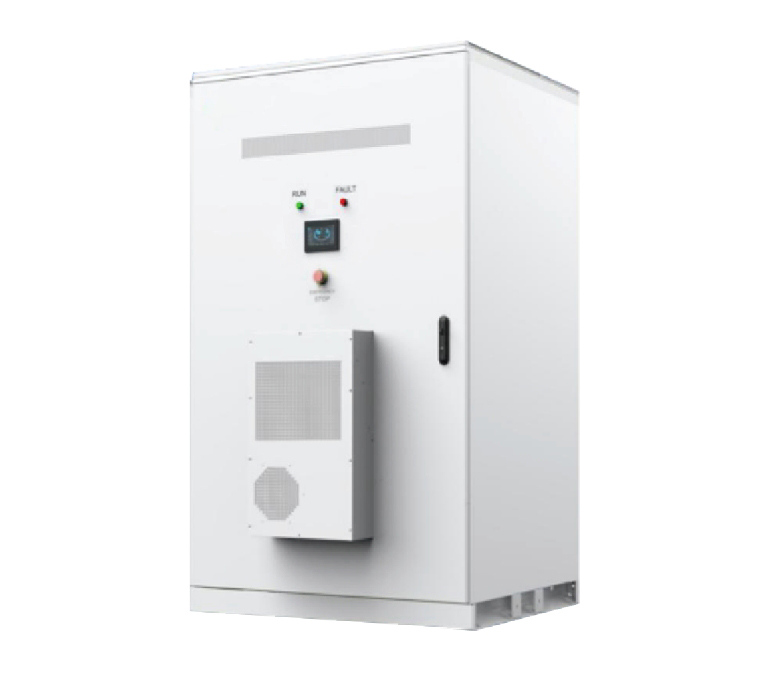
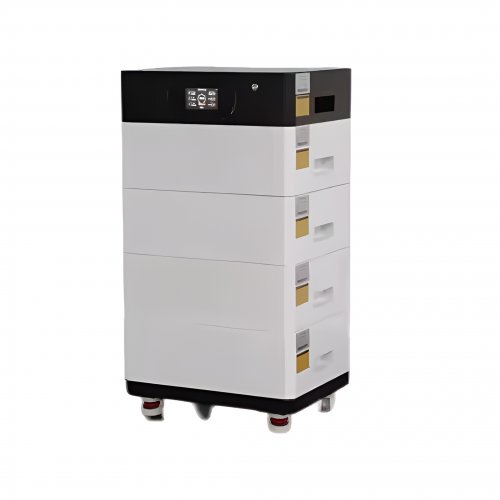
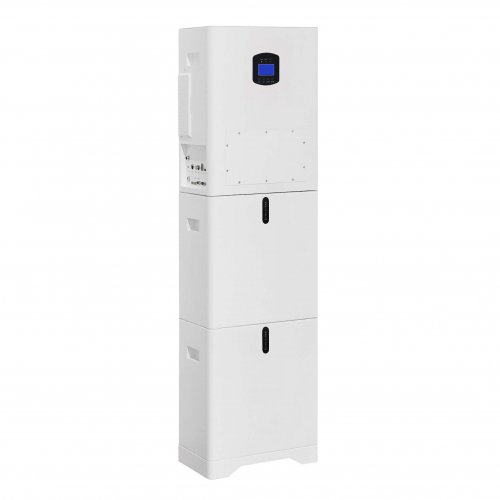
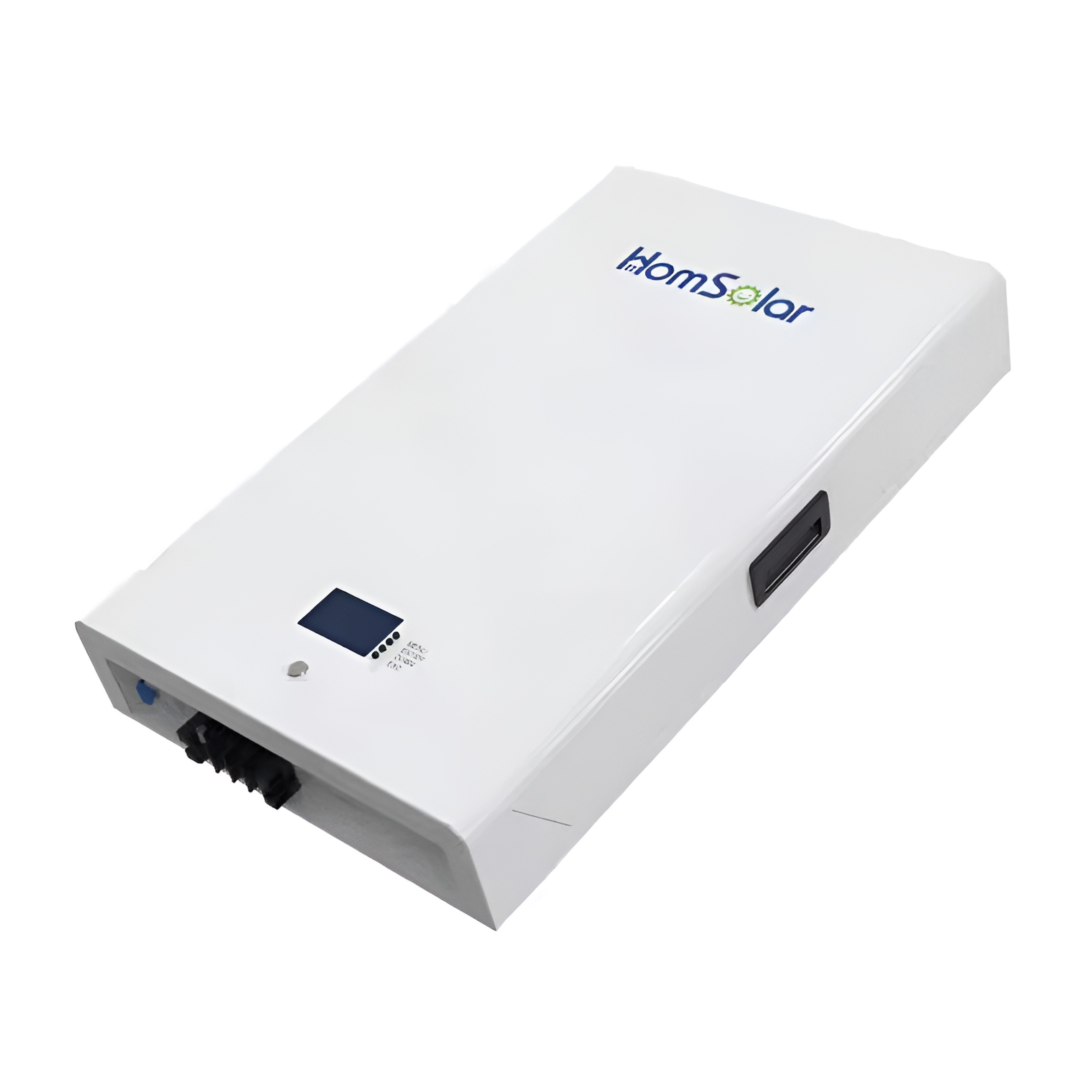
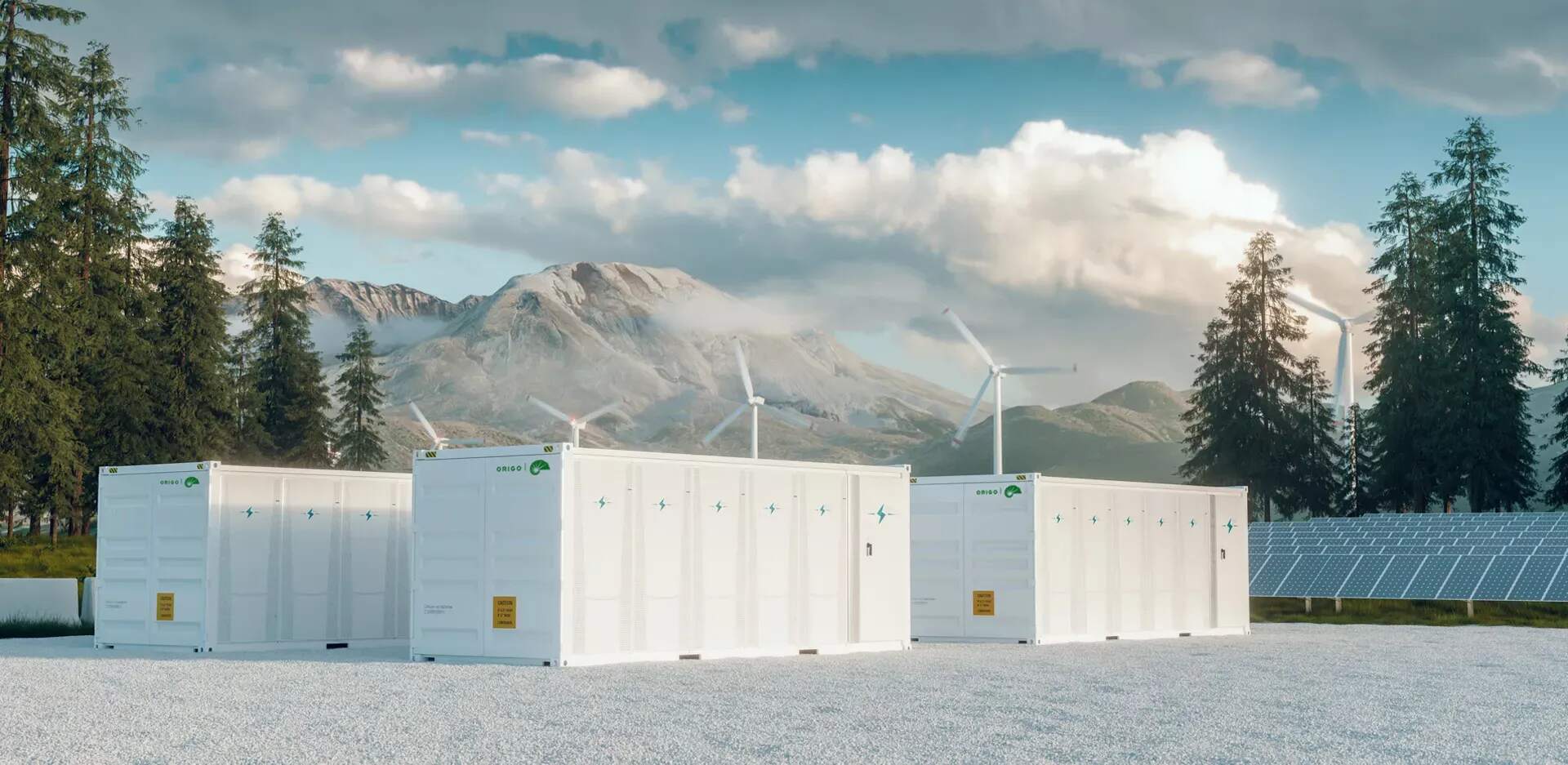
Energy efficiency is a primary focus. Manufacturers are investing in smart energy management systems to monitor and optimize power usage across their facilities. There is also a rapid adoption of on-site renewable energy sources, such as solar panels and wind turbines, to power operations and reduce reliance on the grid.
The circular model is gaining significant traction. This involves designing products for disassembly, repair, and remanufacturing, thereby extending their lifecycle and reducing waste. Companies are also exploring new business models like "Product-as-a-Service," where they retain ownership of the product and sell its use, incentivizing them to create more durable and serviceable goods.
"Green manufacturing is no longer a cost center; it's a source of value creation," says Anya Sharma, a sustainability consultant specializing in heavy industry. "Companies that master resource efficiency not only reduce their environmental footprint but also insulate themselves from volatile energy and raw material prices. Furthermore, a strong sustainability profile is becoming a key differentiator in B2B contracts and for attracting top talent."
Expert Perspective: The Human-Machine Collaboration
Amidst the technological fervor, industry experts emphasize that the future of manufacturing is not about replacing humans, but about augmenting their capabilities. The rise of automation and AI is shifting the nature of manufacturing jobs from manual, repetitive tasks to more cognitive, problem-solving roles.
Workers are increasingly becoming "robot supervisors," data analysts, and automation system managers. This necessitates a massive reskilling and upskilling effort. Educational institutions and companies are partnering to develop training programs in data literacy, robotics programming, and AI management.
"The critical challenge of this fourth industrial revolution is the workforce transition," observes Dr. Robert Higgs, a professor of industrial engineering. "The most successful manufacturers will be those who invest as heavily in their people as they do in their technology. We need to foster a culture of continuous learning where human creativity and strategic thinking are amplified by the power of machines. The collaborative robot, or cobot, working safely alongside a human technician, is the perfect symbol of this new era."
In conclusion, the manufacturing landscape is being redrawn by the powerful forces of digitalization, supply chain resilience, and sustainability. While the path forward involves significant investment and organizational change, the industry is poised to emerge more agile, efficient, and responsible. The ability to seamlessly integrate smart technologies with a empowered workforce will separate the leaders from the laggards in the coming decade.
Product Catalogs