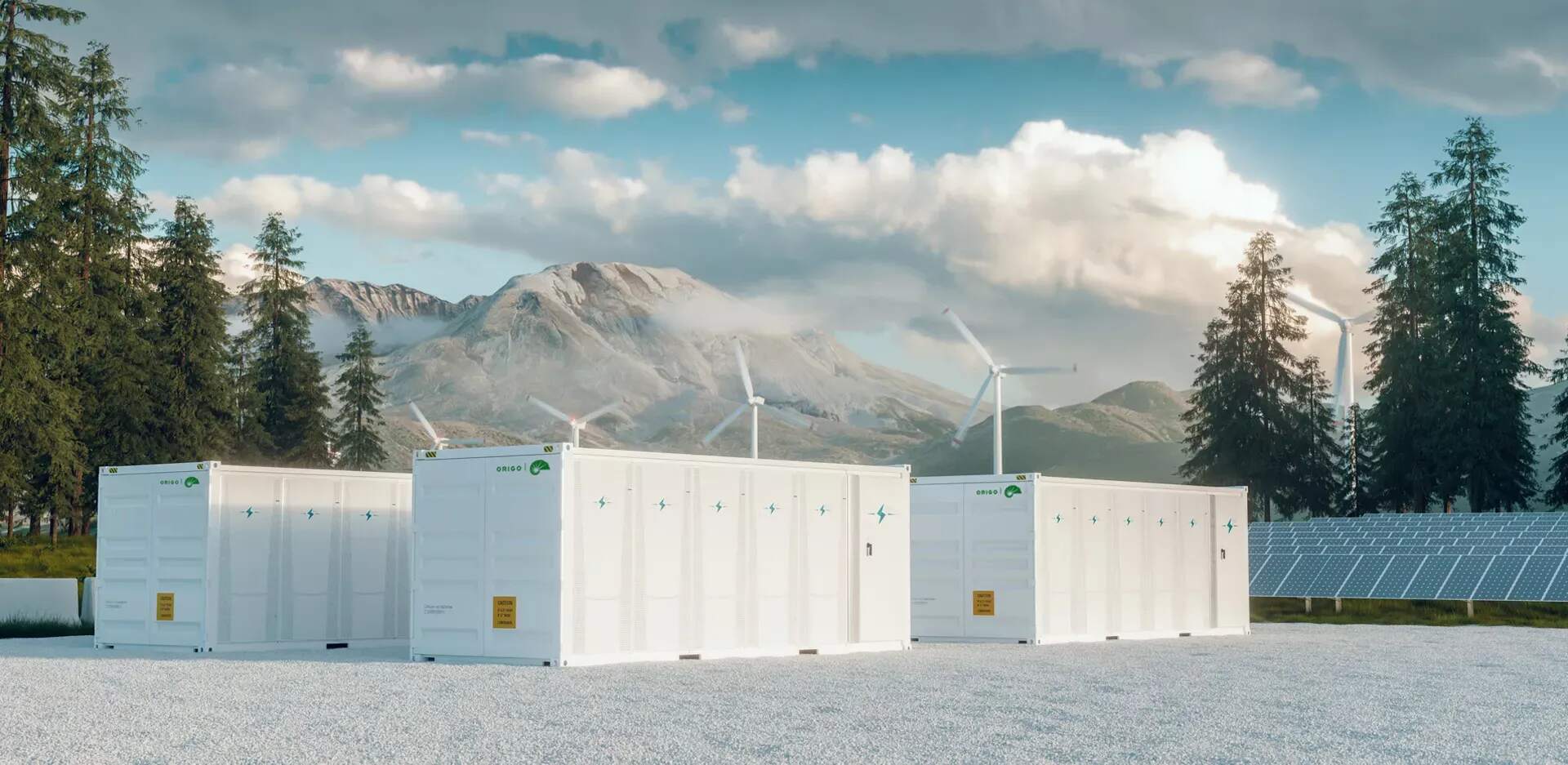
Lifepo4 Energy Density Review: Unpacking The Trade-offs For Longevity And Safety
The quest for the ideal battery technology is a constant balancing act. On one side, we have the allure of maximum runtime and minimal weight; on the other, the non-negotiable demands of safety, longevity, and reliability. Enter Lithium Iron Phosphate, or LiFePO4, a battery chemistry that has moved from niche applications to mainstream consumer products, from solar power storage to high-end recreational vehicles and marine use. At the heart of every discussion about LiFePO4 lies its defining characteristic: its energy density. This review will delve deep into what this metric truly means for you, the end-user, by examining a popular LiFePO4 power station, analyzing its performance, and providing an objective assessment of its real-world value.
Product Overview and Key Functions
For this evaluation, we will focus on a representative product in this category: a 1000Wh portable power station built on a LiFePO4 battery pack. Such stations are designed as silent, emission-free replacements for traditional gas generators, capable of powering everything from smartphones and laptops to mini-fridges, CPAP machines, and even small power tools.
The core functions are universal:AC Power Output: Typically one or more pure sine wave AC outlets, crucial for sensitive electronics.DC Power Output: Multiple USB-A, fast-charging USB-C, and 12V carport options.DC Input: For recharging via a wall outlet or a car charger.Solar Input: A dedicated, high-wattage port for recharging with solar panels, aligning perfectly with off-grid and emergency preparedness scenarios.
The standout feature, as advertised, is the battery's exceptional cycle life, directly attributable to the stable LiFePO4 chemistry.
The Central Tenet: Understanding LiFePO4 Energy Density
When we talk about "LiFePO4 energy density," it is imperative to define the term clearly. Energy density refers to the amount of energy stored in a given unit of volume (volumetric energy density in Wh/L) or mass (gravimetric energy density in Wh/kg).
Herein lies the most significant trade-off of LiFePO4 technology. Compared to other lithium-ion chemistries, particularly NMC (Nickel Manganese Cobalt), LiFePO4 has a lower inherent energy density. An NMC battery of the same physical size and weight will often have a higher watt-hour rating. For instance, a typical LiFePO4 battery might offer between 90-120 Wh/kg, whereas a high-performance NMC battery can exceed 200 Wh/kg.
This is not a design flaw but a fundamental characteristic of the chemistry. The lithium iron phosphate cathode material is inherently more stable and robust than the high-nickel cathodes used in NMC batteries. This structural stability is the very source of both its primary advantages and its key drawback.
The Advantages: Where LiFePO4 Truly Shines
1. Exceptional Cycle Life: This is the crown jewel of LiFePO4. Where an NMC battery might be rated for 500-800 full cycles before significant degradation, LiFePO4 batteries are routinely rated for 3,000 to 5,000 cycles—and often more. In practical terms, you could theoretically drain and recharge this power station daily for over a decade before it reaches 80% of its original capacity. This longevity dramatically reduces the long-term cost of ownership, making it a superior investment.
2. Unmatched Safety Profile: The LiFePO4 chemistry is far more resistant to thermal runaway—the chain reaction that leads to fires and explosions in other lithium batteries. It is structurally stable at high temperatures and is much less prone to catching fire if punctured, overcharged, or physically damaged. For a device that might be used in a van, a boat, or a family home, this inherent safety is a profound benefit.
3. Stable Voltage Output: LiFePO4 batteries maintain a remarkably consistent voltage throughout most of their discharge cycle. This means your devices receive stable power until the battery is nearly depleted, unlike other chemistries where performance can dip as the charge level falls.
The Disadvantages: The Compromises You Accept
1. Lower Energy Density: As established, this is the primary compromise. A 1000Wh LiFePO4 power station will be noticeably heavier and bulkier than a 1000Wh NMC power station. For applications where every gram and cubic inch counts—such as ultralight backpacking—this can be a deal-breaker.
2. Higher Initial Cost: The manufacturing process and the use of phosphate often make LiFePO4 batteries more expensive upfront than their NMC counterparts with similar watt-hour ratings. You are paying for longevity and safety today for benefits that will be realized over many years.
3. Cold Weather Performance: While generally robust, LiFePO4 batteries should not bechargedat temperatures below freezing (0°C / 32°F), as this can cause permanent internal damage. Some modern units have built-in internal heaters to mitigate this issue, but it remains an operational consideration.
Real-World Usage Experience
Using the 1000Wh LiFePO4 power station over several weeks revealed the tangible impact of these technical specifications.
The weight was the first thing noted; it was substantial, requiring two hands to move comfortably. This is the direct consequence of that lower gravimetric energy density. However, this drawback quickly faded into the background during use. During a simulated power outage, the unit effortlessly powered a Wi-Fi router, a LED desk lamp, and a laptop for over 18 hours, with plenty of capacity to spare. The peace of mind knowing the battery was not under significant stress and was inherently safe was invaluable.
The charging experience was another highlight. Using compatible solar panels, the station absorbed power steadily throughout the day. The knowledge that this charging process could be repeated thousands of times without degrading the battery's health fundamentally changes one's relationship with the device. There is no "cycle anxiety"; you use it as needed.
The voltage stability was evident when running a small coffee grinder, which showed no signs of struggling even when the battery indicator showed only 20% remaining.
Objective and Balanced Conclusion
The LiFePO4 energy density story is not one of outright superiority but of intelligent compromise. Choosing a LiFePO4-based product is a conscious decision to prioritize long-term value and operational safety over minimal weight and the lowest possible initial cost.
It is not the ideal battery for every scenario. A frequent traveler who needs to power a drone and a camera for a single day will likely prefer the lighter, more energy-dense NMC alternative. However, for a homeowner seeking a reliable emergency power backup, a van-lifer building a stationary house battery, or anyone who requires a durable, "set-and-forget" power source that will last for years, the LiFePO4 chemistry is arguably unmatched.
In conclusion, while the number on a spec sheet pertaining to LiFePO4 energy density might seem lackluster, it is the key that unlocks its truly remarkable properties: unparalleled cycle life and inherent safety. By accepting a modest penalty in weight and size, you gain a product that is built not just for a single use case, but for a decade of dependable service.
Product Catalogs