Research And Development News: Strategic Shifts And Global Competition Intensify
The global landscape of Research and Development (R&D) is undergoing a profound transformation. Driven by technological acceleration, geopolitical recalibrations, and a post-pandemic reevaluation of priorities, corporations and governments are strategically redirecting their innovation engines. The traditional model of siloed, long-term corporate R&D is increasingly giving way to agile, collaborative, and purpose-driven approaches, with a significant emphasis on digital and sustainable technologies.
Latest Industry Dynamics: A Surge in Strategic Investment
Despite macroeconomic uncertainties, global R&D expenditure has shown remarkable resilience. According to recent analyses, total global R&D spending is projected to continue its upward trajectory, surpassing previous estimates. However, the distribution and focus of these investments are shifting markedly.
A primary driver is the escalating technological competition, particularly between the United States and China. Legislation such as the U.S. CHIPS and Science Act and the Inflation Reduction Act has unleashed billions of dollars in federal funding, specifically targeting R&D in semiconductors, clean energy, and artificial intelligence (AI). This has triggered a wave of corresponding investments from the private sector, with companies positioning themselves to capitalize on government incentives and secure their supply chains.
Concurrently, the European Union continues to channel substantial resources through its Horizon Europe program, reinforcing its commitment to climate, digital, and health-related research. The geopolitical climate is compelling nations to prioritize "strategic autonomy" in critical technologies, leading to a re-shoring or "friend-shoring" of R&D capabilities in sectors deemed vital for national and economic security.
Another significant dynamic is the rise of the Global South as an R&D hub. Countries like India, South Korea, and Singapore are aggressively attracting multinational R&D centers, not merely for cost advantages but for access to deep pools of talent and burgeoning local markets. This decentralization of innovation is creating a more multipolar R&D world.
Trend Analysis: The Convergence of Digital and Physical Worlds
Several key trends are defining the future of R&D:
1. The AI-Driven Research Revolution: Artificial intelligence and machine learning are no longer just research outputs; they are fundamental tools accelerating the R&D process itself. In pharmaceuticals, AI models are dramatically shortening drug discovery timelines by predicting molecular interactions. In materials science, AI is used to hypothesize and test new compounds in silico, reducing the need for costly and time-consuming physical experiments. This "R&D for R&D" trend is enhancing efficiency and unlocking new frontiers of discovery.
2. The Open Innovation Imperative: The complexity of modern technologies, such as quantum computing and synthetic biology, is rendering the closed, proprietary lab model obsolete. Companies are increasingly embracing open innovation, forming consortia, public-private partnerships, and university alliances. Platforms that facilitate collaboration between startups, academia, and large corporations are thriving. This ecosystem approach allows for risk-sharing, resource-pooling, and faster knowledge transfer.
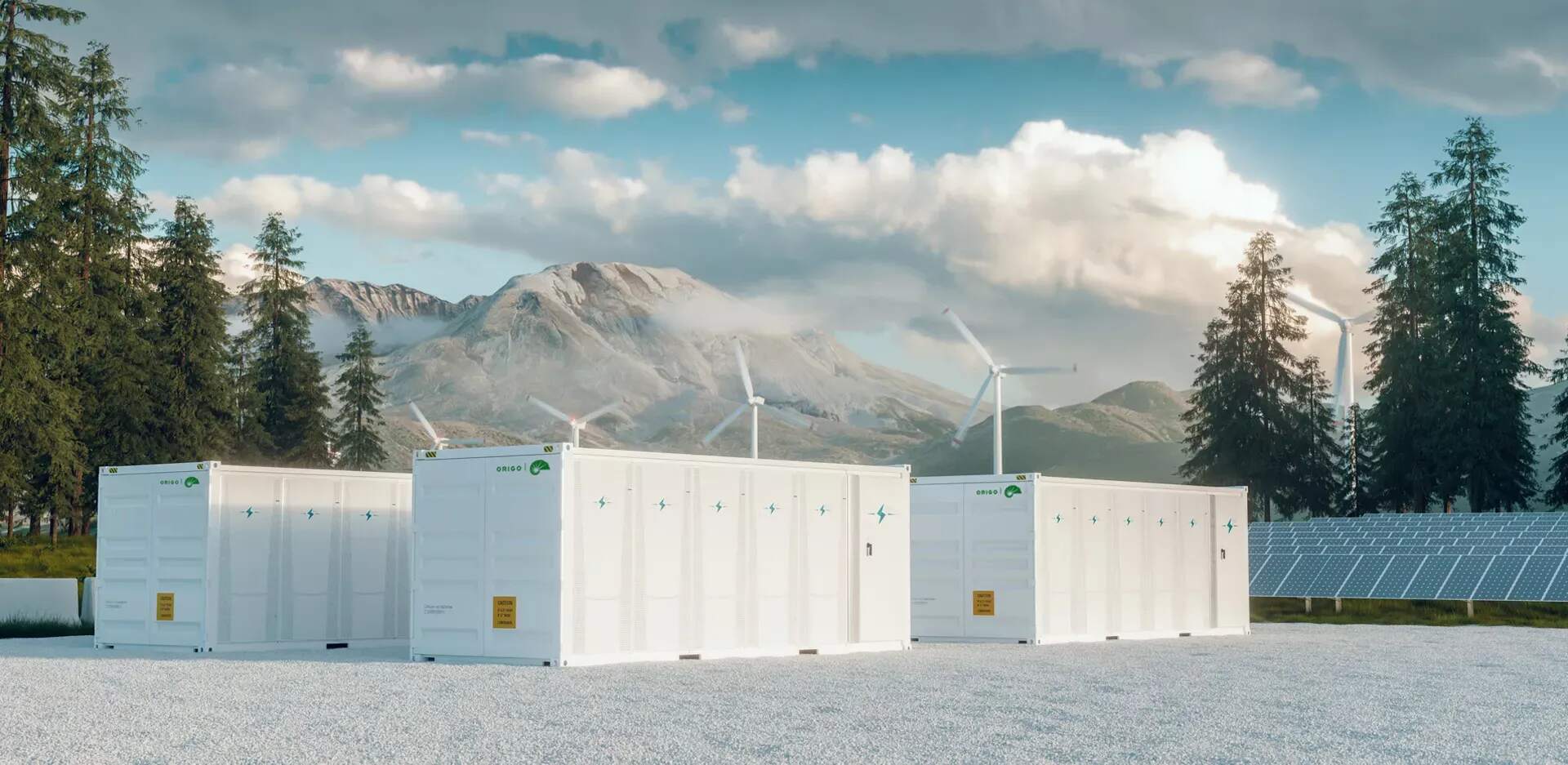
3. Sustainability as a Core R&D Driver: The global push for net-zero emissions is arguably the most powerful force shaping R&D portfolios. Significant investments are flowing into green hydrogen, carbon capture and storage (CCS), next-generation battery technology, and circular economy models. R&D is no longer just about creating the next product; it is fundamentally about re-engineering industrial processes and consumer goods for environmental sustainability. This shift is evident across all sectors, from automotive to agriculture.
4. The Human-Centric and Ethical Dimension: As technologies like AI and genetic engineering advance, R&D is increasingly grappling with ethical, legal, and social implications (ELSI). There is a growing trend of integrating ethicists, social scientists, and public engagement specialists directly into R&D teams. The focus is shifting towards "responsible innovation"—developing technologies that are not only powerful but also aligned with societal values and regulatory expectations.
Expert Perspectives: Navigating the New Paradigm
Industry leaders and analysts emphasize the strategic nature of these shifts.
Dr. Anya Sharma, a Senior Fellow at the Global Innovation Policy Center, notes, "We are moving from an era of R&D scarcity to one of strategic abundance in specific domains. The challenge is no longer just funding research, but wisely allocating it towards missions of national and global importance. The governments that can effectively de-risk private sector investment in critical tech arenas will lead the next decade."
On the corporate front, Mark Thorne, Chief Technology Officer at a leading advanced materials firm, highlights the operational changes. "The pace is relentless. Our R&D cycle times have compressed by over 40% in three years, primarily through the adoption of digital twins and AI-powered simulation. We are running virtual experiments 24/7, allowing our human researchers to focus on high-level design and interpretation. It's a complete paradigm shift in how we think about problem-solving."
However, experts also caution against potential pitfalls. Professor Ben Carter, who specializes in innovation economics, warns of the fragmentation risk. "While strategic competition can drive investment, it also carries the danger of duplicative efforts and the erosion of the global scientific commons. The key will be to strike a balance—protecting vital technological interests while maintaining collaborative channels in areas of universal challenge, such as pandemic preparedness and climate change."
In conclusion, the world of research and development is at a pivotal juncture. It is becoming more strategic, more collaborative, and more deeply integrated with digital tools and sustainable goals. The organizations and nations that can successfully navigate this complex new landscape—fostering agility, embracing open ecosystems, and embedding responsibility into their innovation DNA—are the ones poised to define the technological and economic order of the coming decades.
Product Catalogs